






Doctors Push Back, but South Korea’s Doctor X Keeps Winning Viewers
A South Korean medical drama is approaching a 20% television rating despite criticism from doctors over its portrayal







A South Korean medical drama is approaching a 20% television rating despite criticism from doctors over its portrayal

South Korea’s national pension fund, which invests workers’ retirement contributions to help finance future pension payments, has seen

Seoul’s subway system is facing a growing safety problem as passenger injuries have more than doubled in four
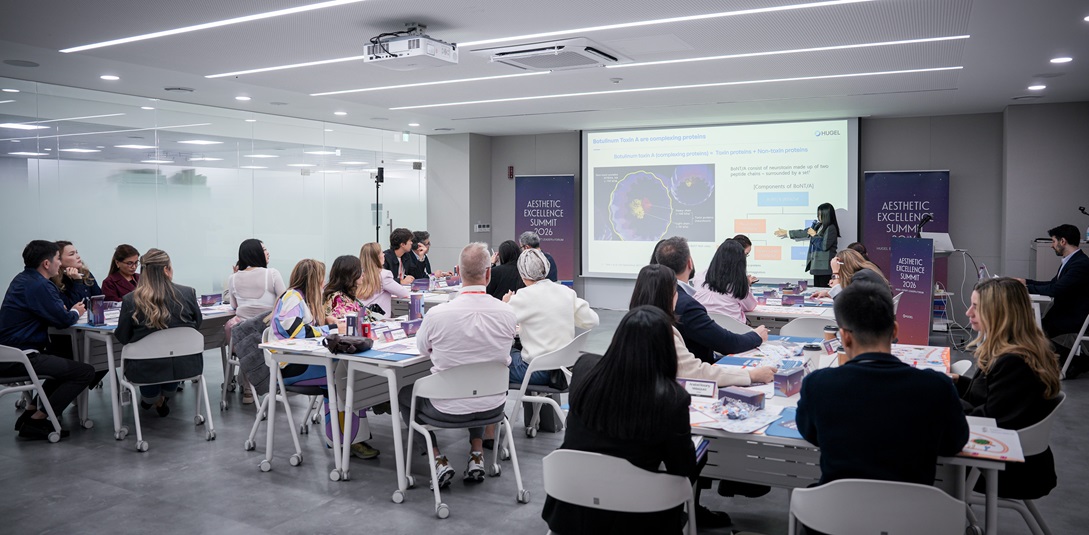
Competition in the Botox market is extending beyond product development and sales as a South Korean company seeks

(Photo=MotionElements) Artificial intelligence is making it easier for hackers to search for weaknesses in financial networks. But a series of cyberattacks in South Korea has exposed a more fundamental problem. Many financial institutions are struggling to maintain basic security protections, leaving customer information vulnerable as cyber threats become more sophisticated. South Korea's Financial Services Commission, the country's financial regulator, said

Photo=LG Electronics The smart-home industry is entering a new phase of competition as technology companies move beyond standalone security cameras and connected appliances to build integrated systems that automate everyday household tasks. LG Electronics and Apple are joining forces on a new lineup of AI-powered devices, a move that could intensify pressure on Amazon’s Ring and Google’s Nest while opening
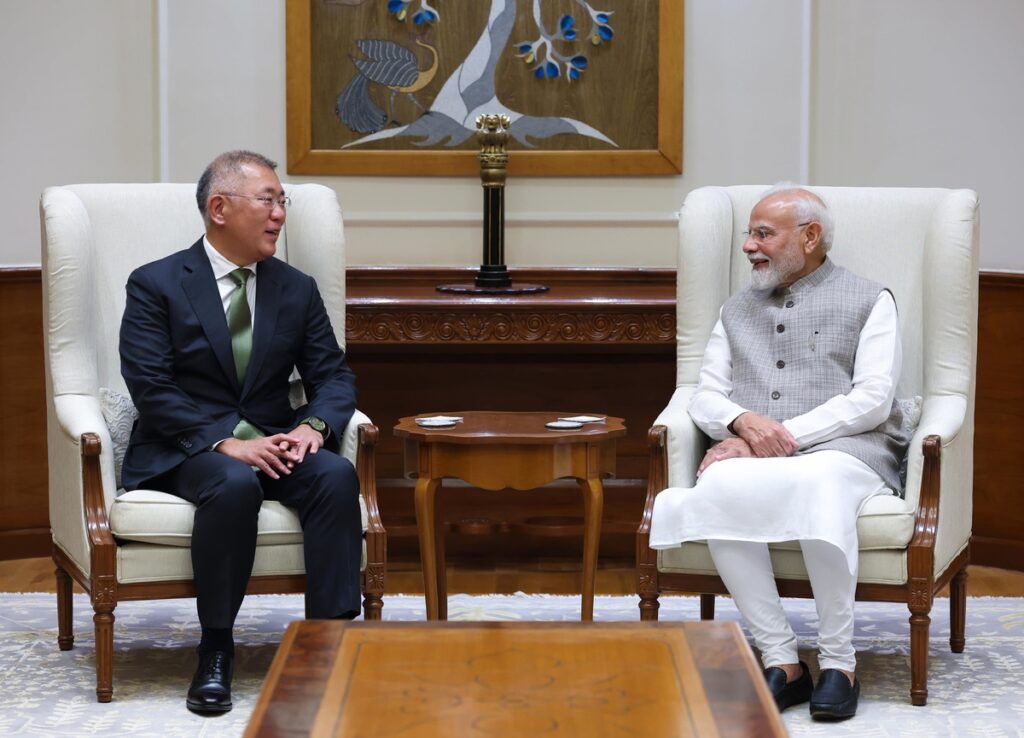
India’s expanding auto market is becoming an increasingly important battleground for global automakers seeking growth beyond China, and Hyundai Motor Group plans to invest $15.5 billion through 2032 to strengthen its position in the country. The commitment highlights a broader shift in the automotive industry toward local manufacturing, resilient supply chains and emerging-market demand, offering U.S. automakers and investors a

Photo=Motionelemenets South Korea’s changing attitudes toward marriage are increasingly reflected in how couples approach weddings, as rising venue rental and catering costs make traditional ceremonies more financially demanding. Small weddings and no-wedding alternatives are gaining relevance in a culture where some couples are reconsidering whether an elaborate ceremony is worth the expense. The shift reflects both economic pressure and changing

Photo=Motionelements South Korea’s shrinking alcohol market is creating new headwinds for small hospitality businesses, as inflation-weary consumers cut discretionary spending and younger generations abandon traditional after-work drinking rituals. The trend offers a warning for global beverage companies, including U.S. brewers and investors tracking Asian consumer demand: even established drinking markets can lose momentum as social habits change and operating costs