Rising demand for air freight linked to artificial intelligence infrastructure is helping airlines diversify revenue beyond passenger travel, offering investors another measure of how the AI investment cycle is reshaping global transportation. Korean Air posted record quarterly revenue in the third quarter of 2026, supported by growth in both passenger traffic and cargo shipments, though higher fuel costs could pressure profitability in the months ahead.
Korean Air reported on October 15, 2026, that revenue rose 26% from a year earlier to $3.60 billion, the highest quarterly total in the airline’s history. Operating profit increased 12% to $301 million.
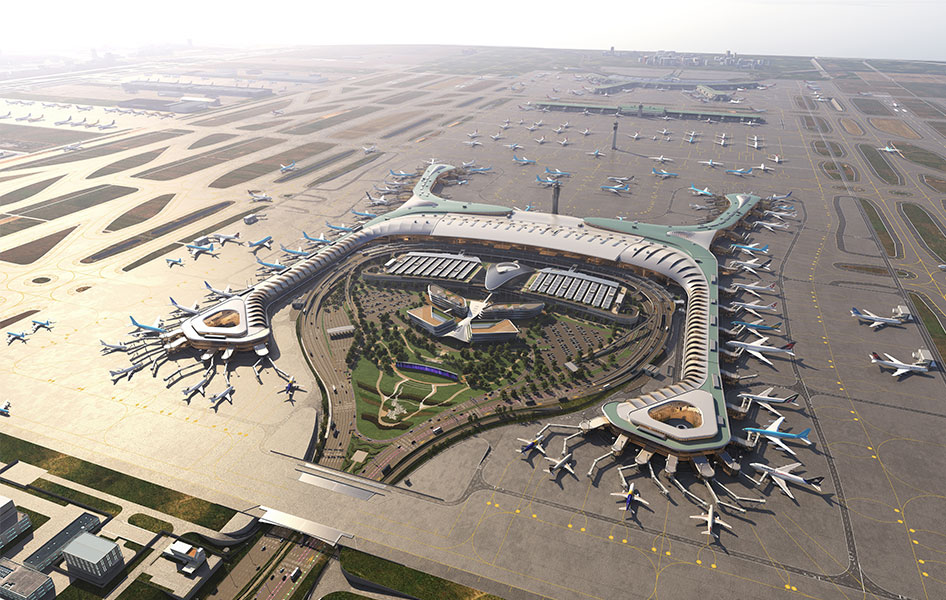
Passenger operations generated $2.08 billion, up 20.5% from the same period a year earlier, an increase of $355 million. The airline attributed the improvement to stronger inbound tourism and a rise in connecting traffic through Incheon International Airport, which offset weaker demand among South Korean travelers heading overseas.
Higher fuel surcharges weighed on outbound travel demand, according to the airline. However, more foreign visitors entering South Korea and more international passengers using Incheon as a transfer hub helped support passenger revenue.
Cargo operations delivered even faster growth. Third-quarter cargo revenue climbed 34.3% year over year to $1.02 billion, an increase of $261 million. Korean Air said demand for air transportation of semiconductors and other high-value products continued to rise as the AI industry expanded.
The results underscore the growing importance of high-value technology shipments to airlines’ cargo businesses. Semiconductor components and related products often require reliable, time-sensitive transportation, creating opportunities for carriers with extensive international networks. For U.S. investors and technology companies, sustained demand for AI-related hardware could remain a source of support for air freight, although cargo performance remains exposed to shifts in trade and technology spending.
Higher oil prices are expected to be a key variable for Korean Air in the fourth quarter, potentially increasing operating costs. The airline said it would focus on attracting more passengers from overseas and expanding connecting traffic through South Korea to improve passenger-business profitability.
Korean Air is also preparing for the launch of an integrated airline following its planned merger with Asiana Airlines. The company said it would review its safety systems and work to maintain global service standards ahead of the integrated Korean Air’s scheduled launch on December 17, 2026.
The next quarter will test whether continued demand for AI-related cargo and international travel can offset fuel-cost pressures. For investors, the airline’s record revenue points to a broad-based recovery in its passenger and freight businesses, while the outlook for operating profit will depend partly on energy prices and the durability of global technology-related shipping demand.