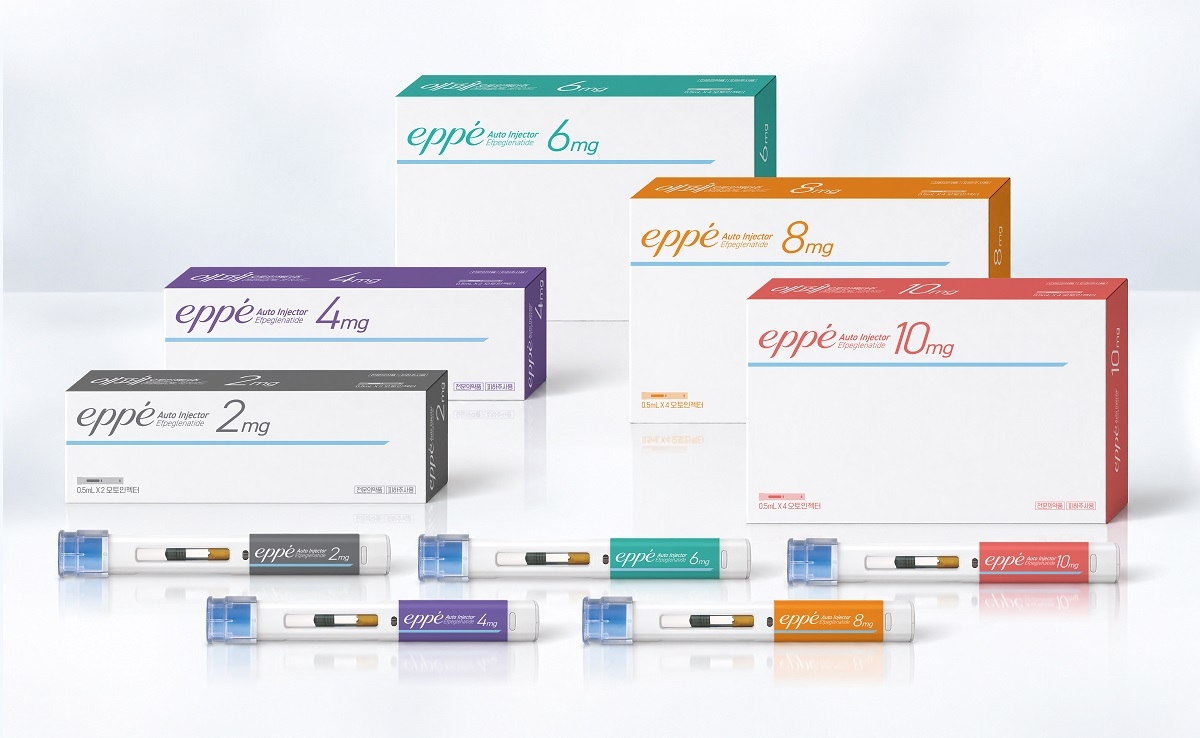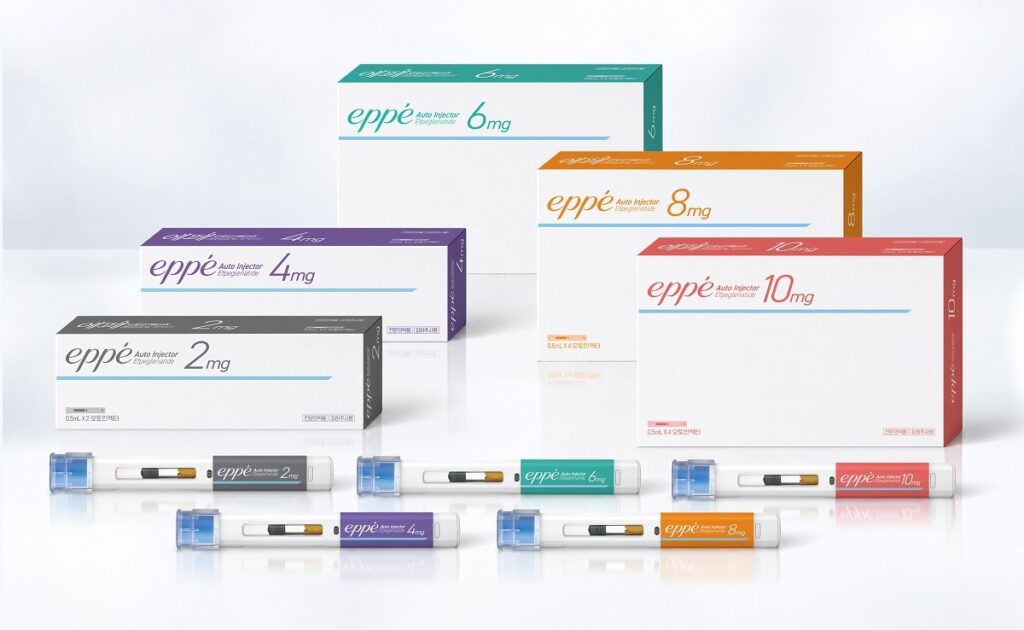
South Korea’s obesity-drug market is emerging as a new battleground for price competition, with implications for U.S. pharmaceutical companies and investors betting on the long-term growth of GLP-1 treatments. Hanmi Pharmaceutical is preparing to launch Efe, a domestically developed weight-loss drug whose estimated first-month supply cost of about $90 could undercut established rivals from Eli Lilly and Novo Nordisk and expand access to obesity treatment.
The drug could enter the South Korean market as early as October 2026, with reported supply prices suggesting a significant cost advantage over competing products. Hanmi has reportedly set prices ranging from 24,200 won ($17.30) for the 2-milligram dose to 74,800 won ($53.40) for the 10-milligram dose, based on an exchange rate of 1,400 won per dollar. The company declined to confirm the figures, saying supply prices differ from what patients ultimately pay and that disclosing them could cause confusion.
Efe uses a gradual dose-escalation schedule, beginning at 2 milligrams before increasing to 4, 6 and 8 milligrams over the first 12 weeks, followed by a maintenance dose of 10 milligrams. Based on the reported pricing, the first four weeks would cost about $90 in supply expenses, assuming two doses each of the 2-milligram and 4-milligram strengths.
The estimated supply cost would increase to about $159 for weeks five through eight and $192 for weeks nine through 12. Four doses of the 10-milligram maintenance strength would cost approximately $207.
The reported pricing could give Hanmi a meaningful opening against established competitors. A four-week supply of the lowest-dose Mounjaro from Eli Lilly costs about $187 in South Korea, while Novo Nordisk’s Wegovy costs roughly $146, according to the reported estimates. Efe’s projected first-month supply cost would therefore be about 52% below Mounjaro and 38% below Wegovy.
Hanmi developed Efe using its proprietary LAPSCOVERY platform, which is designed to extend the duration of drug action. The treatment is the first domestically developed GLP-1 obesity drug approved in South Korea, positioning the company to compete in a category increasingly shaped by affordability, patient access and the commercial reach of multinational drugmakers.
For U.S. pharmaceutical investors, Efe highlights a potential shift in the competitive dynamics of the obesity-treatment market. While established companies have benefited from strong demand for GLP-1 medicines, lower-priced alternatives could put pressure on pricing strategies in markets where patients pay substantial costs out of pocket. Hanmi’s reported supply prices, however, do not establish what patients will ultimately pay or indicate whether the drug could compete outside South Korea.
Efe is a prescription medicine that is not covered by South Korea’s national health insurance system. Actual patient expenses will depend on medical consultations, prescribing arrangements and the healthcare provider. Hanmi has not publicly confirmed the reported supply prices, making the final out-of-pocket cost a key factor in assessing the drug’s commercial appeal.
The company said it had prioritized patient access in setting its pricing strategy, describing obesity as a significant public-health concern and Efe as an additional treatment option.
Hanmi’s ability to translate its proposed price advantage into market share will depend on the final cost to patients, prescribing decisions and the drug’s competitiveness beyond price. For investors tracking the GLP-1 sector, the launch offers another indication that competition may increasingly extend beyond drug efficacy and supply capacity to affordability and access.