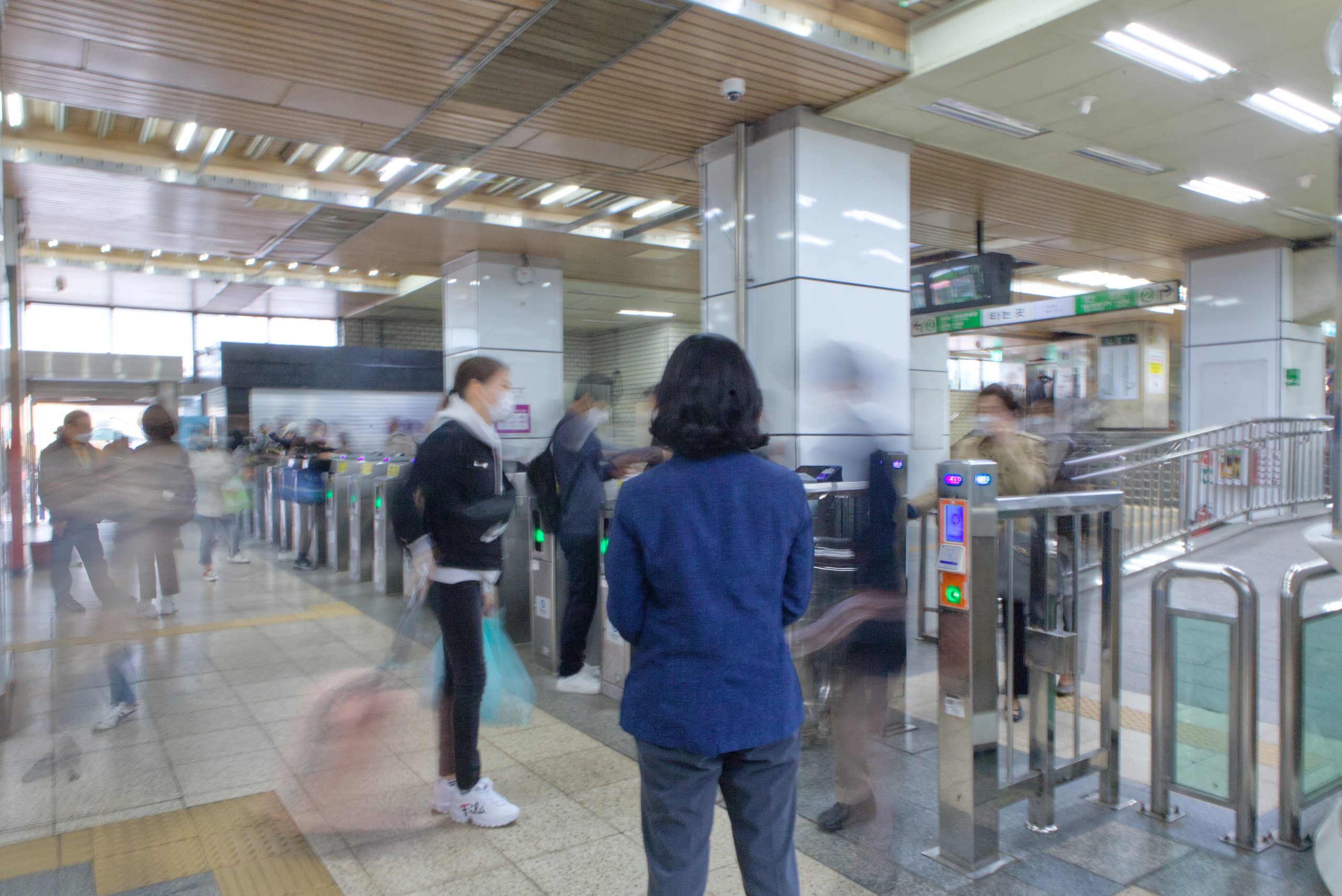
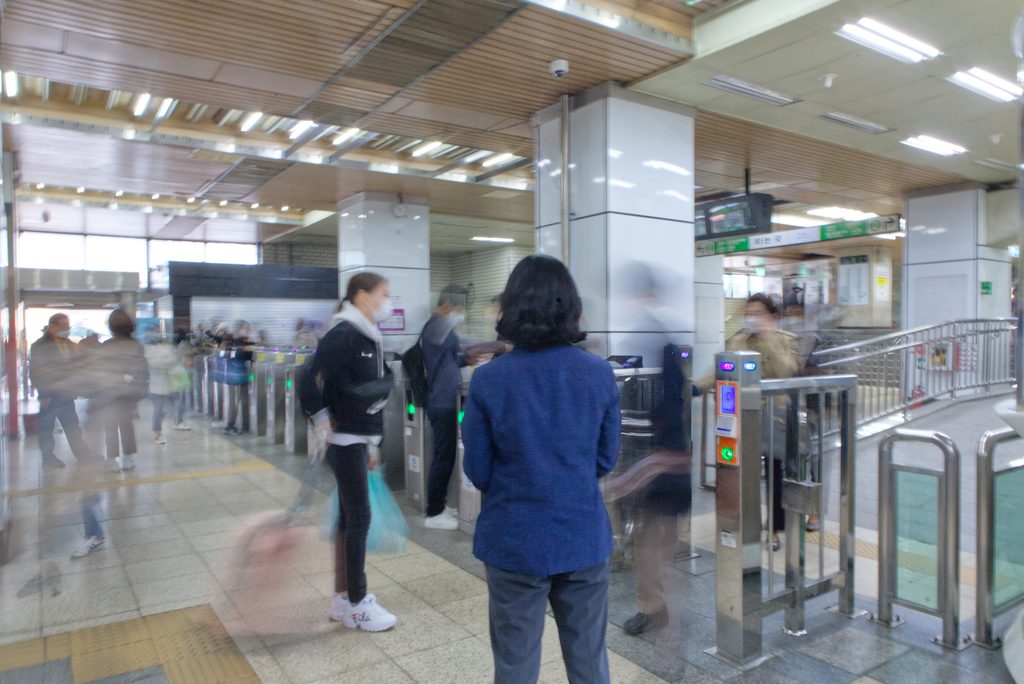
Seoul’s subway system is facing a growing safety problem as passenger injuries have more than doubled in four years, raising questions about whether one of Asia’s busiest urban rail networks is doing enough to protect commuters beyond the trains themselves.
A total of 1,062 passengers were injured on the South Korean capital’s subway network in 2025, compared with 493 in 2021. Many incidents involved falls inside stations, passengers becoming trapped in train doors and accidents involving escalators and other facilities.
The rising injury toll highlights a challenge shared by major transit systems in cities such as New York and Washington. Keeping trains running safely is only part of protecting passengers. The facilities people use before boarding and after leaving trains also require investment, and accidents can create recurring costs for transit operators and their insurers.
The figures, released on October 18, were obtained from the Seoul Metropolitan Government by Hwang Hee, a South Korean lawmaker representing part of Seoul’s Yangcheon District. Hwang belongs to the Democratic Party and serves on the National Assembly’s Land, Infrastructure and Transport Committee, which oversees transportation policy.
Seoul’s reported subway injuries have increased every year since 2021, reaching 621 in 2022, 779 in 2023 and 885 in 2024 before exceeding 1,000 last year. Another 590 passengers were injured between January and August 2026, bringing the cumulative total to 4,430 over the period covered by the data.
The injuries were particularly concentrated at major transfer stations, where passengers move between multiple subway lines.
Express Bus Terminal Station, which connects Lines 3, 7 and 9, recorded 40 injured passengers in 2025, the highest number among individual stations. Noryangjin Station followed with 30 injuries, while Dongdaemun History & Culture Park Station reported 28 and Sadang Station recorded 19.
Line 9 had the highest number of reported injuries among subway routes, with 205 cases. Line 2 followed with 193, Line 5 with 174, Line 4 with 129 and Line 7 with 110.
The accident figures reveal that many safety risks arise during ordinary movements through stations rather than during train travel.
Falls and collisions in station concourses, transfer corridors and stairways accounted for 317 incidents. Another 282 involved passengers becoming caught in train doors, while 224 were associated with escalators, elevators and other passenger facilities.
Accidents inside trains accounted for 195 incidents, while another 110 involved passengers getting their feet caught in gaps between trains and platforms.
However, the statistics do not establish why injuries have increased. Reporting methods also vary across the subway network, making direct comparisons between individual lines difficult.
Hwang’s office said accident data for Lines 1 through 8 were based on cases involving medical expense payments. Figures for Line 9 and two smaller rail networks, the Ui Sinseol and Sillim lines, were compiled from internal incident reports.
The growing number of reported injuries has also brought financial consequences.
Subway operators paid approximately $2.6 million in medical expenses between January 2021 and August 2026. Annual payments rose from $425,000 in 2021 to $633,000 in 2025, while another $217,000 was paid during the first eight months of 2026.
Seoul Metro, the public corporation responsible for much of the city’s subway network, and Seoul Metro Line 9, which operates Line 9, handle compensation claims submitted by injured passengers. The operators review each accident to determine responsibility before arranging medical payments through insurance providers.
The rising expenses add another consideration to decisions about infrastructure investment. Spending on accident prevention could involve improvements to station layouts, passenger safety equipment and escalators, although the available data do not establish which measures would reduce injuries most effectively.
Such decisions could also affect demand for equipment and technology supplied to urban rail operators. Manufacturers of passenger safety systems, station equipment and escalators could benefit from additional investment if Seoul authorities decide to expand safety improvements. No specific new procurement commitments were identified in the released figures.
Hwang has called on the Seoul Metropolitan Government to reconsider its safety spending priorities, particularly at transfer stations and facilities where accidents are concentrated.
He emphasized that the subway network serves more than 7.6 million passengers each day and that safety should be maintained throughout the entire journey, from entering a station to reaching a destination.
Hwang urged city officials to develop measures capable of producing measurable reductions in passenger injuries rather than focusing solely on the safety of train operations.
The findings leave Seoul’s transit authorities facing a broader infrastructure challenge. With reported injuries and medical compensation costs rising, the city must determine where safety investments can most effectively protect passengers across a network that millions rely on every day.