South Korea has been a regular participant in the FIFA World Cup for decades, yet it has failed to win Asia’s biggest international soccer championship since 1960. Now, another chance to end that 66 year drought could be delayed as escalating attacks on Saudi Arabia threaten the 2027 AFC Asian Cup.
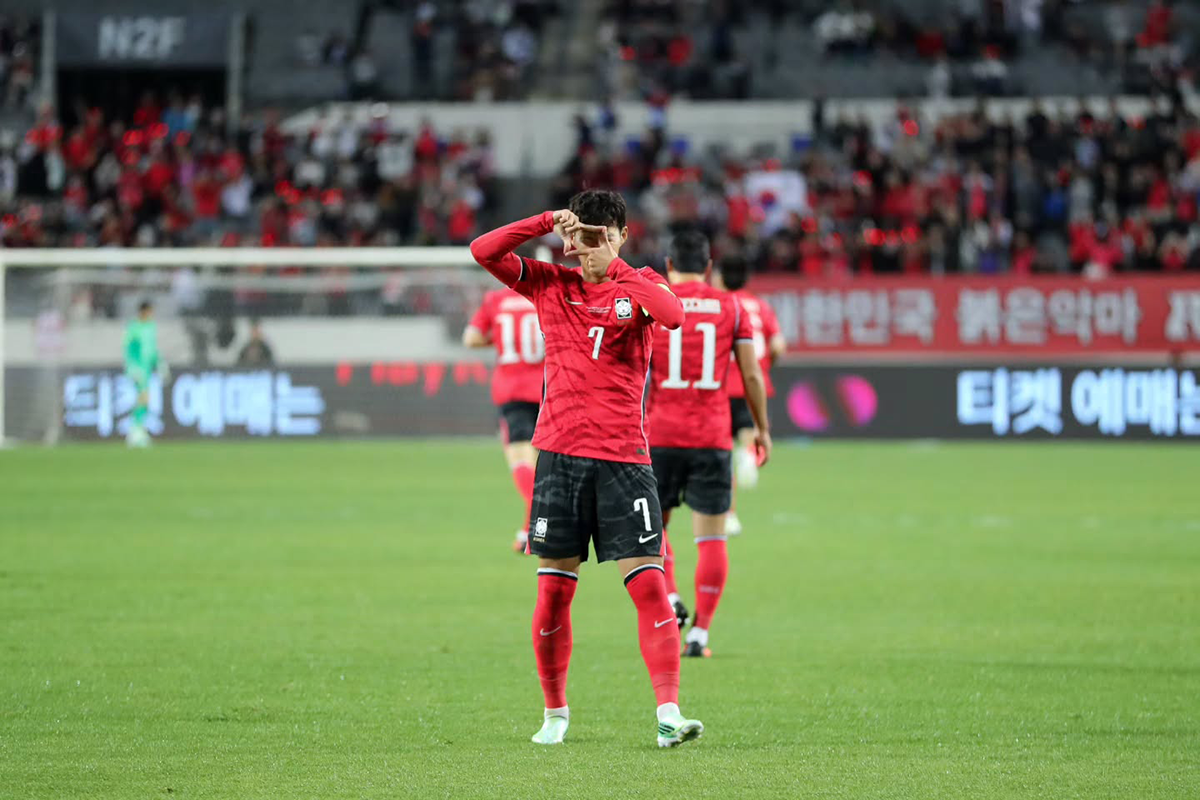
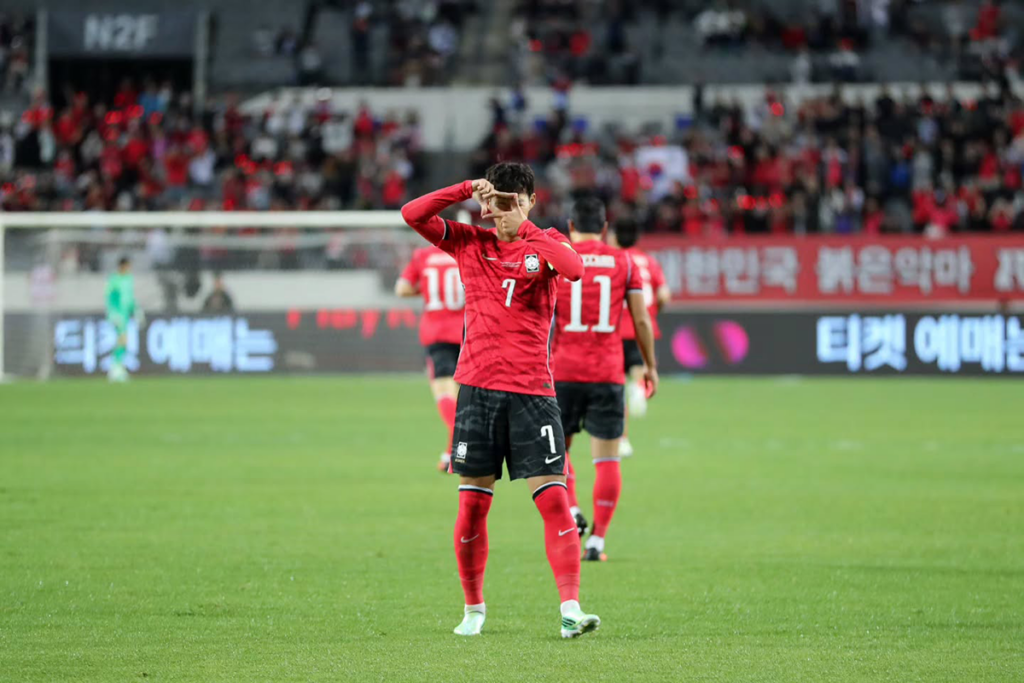
The uncertainty comes at a crucial stage in the international career of Son Heung-min, South Korea’s national team captain and a star forward for Major League Soccer’s Los Angeles FC. Despite his success in European club soccer, Son has never won the Asian Cup, the continent’s premier national team competition. The tournament represents one of his remaining opportunities to achieve a major international triumph with South Korea.
The competition is scheduled to begin on January 7, 2027, but the Asian Football Confederation is considering postponing it until 2028 because of security concerns in Saudi Arabia. Such a delay would push Son’s next opportunity to compete for the championship back another year, when he would be 35, while forcing South Korea to reconsider its preparations.
The possibility of postponement follows a series of attacks by Yemen’s Houthi rebels that have disrupted transportation and international sporting events across Saudi Arabia.
On October 10, an attack on King Khalid International Airport in Riyadh killed at least 12 people and injured more than 300, according to Saudi authorities. Airport operations were temporarily suspended, disrupting flights and raising concerns about the safety of athletes and spectators traveling to the country.
The security situation has already forced changes to other international competitions. FIFA, soccer’s global governing body, and the Saudi Esports Federation postponed the FIFAe Finals scheduled for Jeddah. The Six Kings Slam tennis exhibition was also moved from October to December.
Professional soccer has not escaped the disruption. On October 12, a match between Saudi club Al Nassr and Uzbekistan’s Neftchi Fergana in the AFC Champions League Elite was delayed by approximately 1 hour following a security alert in Riyadh. Saudi authorities said they had intercepted a missile targeting the capital, and the match proceeded after the immediate danger had passed.
The incidents have raised questions about whether Saudi Arabia can safely accommodate the Asian Cup, which is scheduled to take place across eight stadiums in Riyadh, Jeddah and Al Khobar from January 7 through February 5.
Riyadh is expected to host matches at five stadiums, including the opening game and the final. The concentration of matches in a city facing repeated security threats has made conditions in the capital a central concern for tournament organizers.
Asian Football Confederation President Sheikh Salman bin Ebrahim Al Khalifa acknowledged the possibility of postponement while speaking to reporters during a FIFA Council meeting in Zurich, Switzerland.
Al Khalifa said the organization was not rushing to make a decision because regional security conditions could change rapidly.
He said the AFC could wait until the end of November before deciding whether the tournament should proceed as scheduled. If necessary, the competition could be moved to 2028.
No postponement has been confirmed, and preparations are continuing under the existing schedule.
The uncertainty nevertheless presents a challenge for South Korea, whose long absence from the top of Asian soccer stands in contrast to its record on the global stage.
South Korea won the first two editions of the Asian Cup in 1956 and 1960. Since then, the country has established itself as a regular World Cup contender but has repeatedly fallen short in its attempts to reclaim the continental championship.
Son has spent much of his international career trying to help South Korea end that drought. His individual success and recognition abroad have not translated into an Asian Cup title, leaving the competition as an important unfinished objective.
A postponement would not necessarily reduce South Korea’s chances of winning or prevent Son from participating. His fitness, playing form and role within the national team would ultimately determine his ability to compete in 2028.
The more immediate concern is how a revised tournament schedule could affect South Korea’s preparations.
The Korea Football Association, the governing body overseeing the national team, said it was maintaining communication with the AFC and closely monitoring developments in Saudi Arabia.
A change in the competition calendar could require adjustments to training plans, player selection and preparations under head coach Roberto Moreno. Whether a postponement would affect Moreno’s contract or future with the team remains unclear.
The AFC’s eventual decision will depend largely on whether security conditions in Saudi Arabia improve enough to allow the tournament to proceed safely.
The governing body has indicated that it could wait until late November to determine whether the competition should be postponed. Until then, the Asian Cup remains scheduled for January 2027.
South Korea’s pursuit of its first continental championship in more than 6 decades now faces an obstacle unrelated to its performance on the field. The country has waited since 1960 to reclaim the Asian Cup, and the security crisis in Saudi Arabia could extend that wait, leaving Son’s next opportunity to pursue the elusive title uncertain.