Competition in the Botox market is extending beyond product development and sales as a South Korean company seeks to win over the medical professionals who administer cosmetic injections. Hugel, a South Korean manufacturer of injectable aesthetic treatments, is expanding its international physician training programs as it builds its presence in markets dominated by established brands.
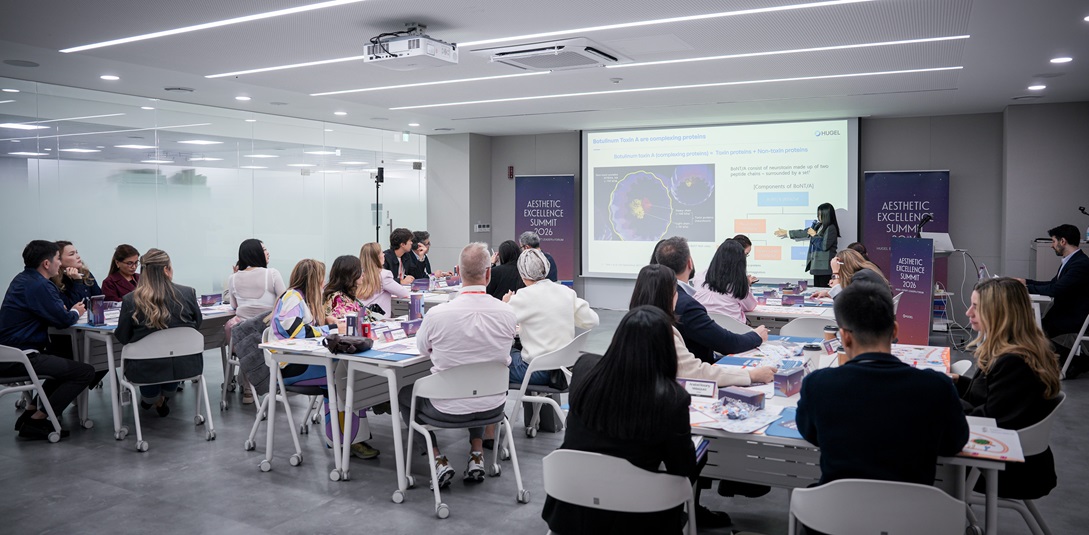
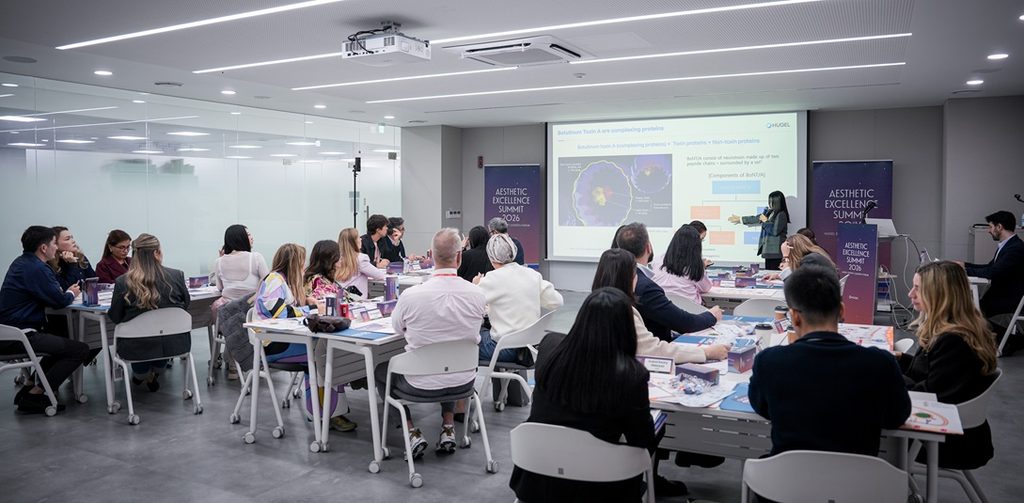
Hugel hosted its Aesthetic Excellence Summit 2026 in South Korea from October 14 to 16, bringing together approximately 20 medical professionals from Europe, Asia, the Middle East and South America. The program offered a look inside the company’s manufacturing facilities alongside practical training in wrinkle treatments and facial fillers. The goal was to strengthen physicians’ understanding of its products and the techniques used to administer them.
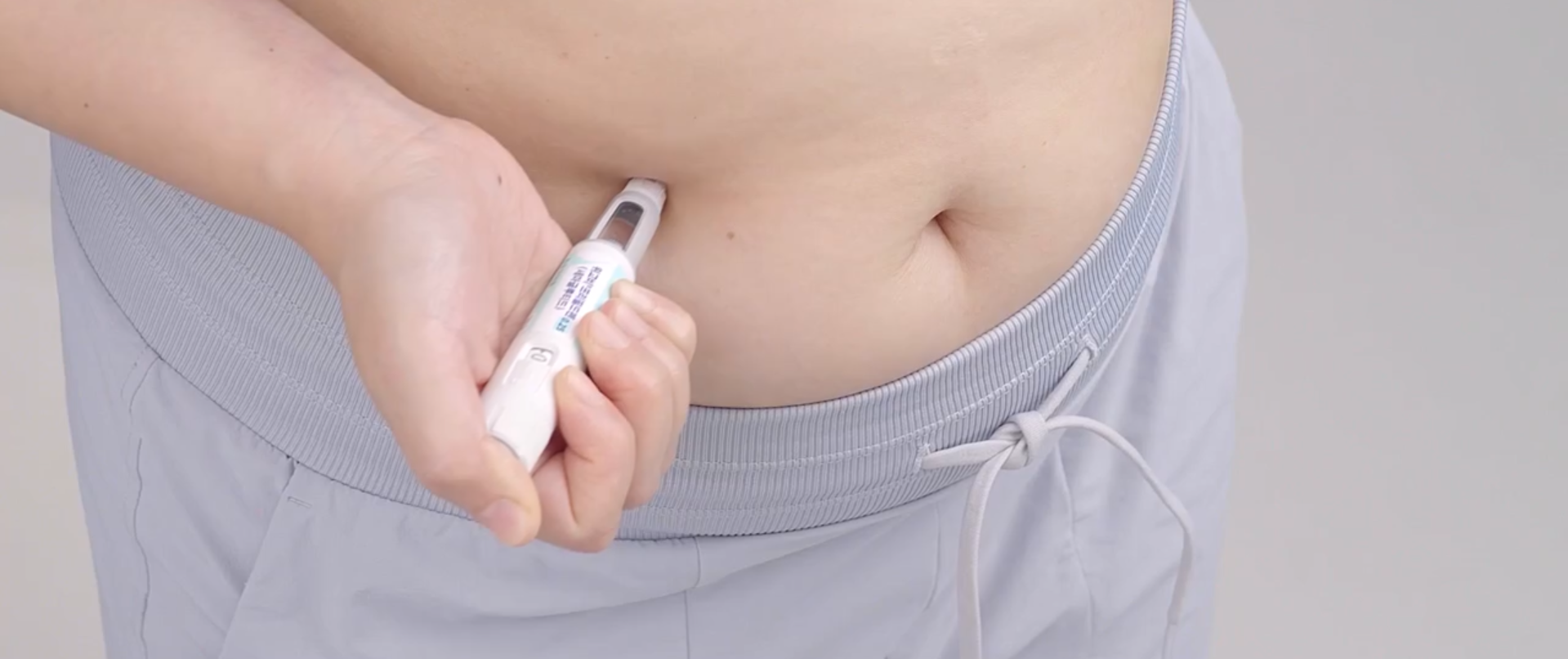
The initiative comes as Hugel expands its presence in the United States, where its Letybo injection competes with Botox Cosmetic, the well known wrinkle treatment marketed by American pharmaceutical company AbbVie. Both products use botulinum toxin, a substance that temporarily reduces muscle activity to smooth facial wrinkles. Letybo received approval from the U.S. Food and Drug Administration in February 2024 and entered the American market in March 2025.
Securing regulatory approval, however, is only one part of entering the market. Unlike conventional beauty products, injectable wrinkle treatments must be administered by qualified healthcare professionals. Their familiarity with a product’s characteristics, manufacturing standards and injection techniques can influence whether it becomes part of their clinical practice.
That makes physician education an important element of Hugel’s expansion strategy. In July, the company announced plans to strengthen its U.S. operations through a dedicated sales organization, medical education and additional clinical research. The summit in South Korea was a broader international program rather than an event specifically targeting American physicians, but it reflected the company’s emphasis on building relationships with medical professionals.
During the summit’s opening day, participants toured Hugel’s production facilities and examined the quality control processes behind its injectable products. The company also used interactive demonstrations to explain how Letybo works, including its diffusion characteristics, while introducing physicians to the manufacturing process for hyaluronic acid fillers.
Training continued at the Catholic Institute for Applied Anatomy, where medical specialists demonstrated injection techniques for botulinum toxin and dermal fillers. The sessions emphasized anatomical knowledge, treatment precision and patient safety.
The final day focused on current aesthetic treatment trends and techniques for different facial areas. Live demonstrations showed how physicians could apply the methods discussed during the program in clinical settings.
The summit forms part of the Hugel Expert Leader’s Forum, the company’s flagship international academic initiative. Held twice annually, the training program is designed to strengthen clinical expertise while familiarizing overseas physicians with Korean aesthetic treatment techniques.
Founded in 2001, Hugel has expanded into approximately 70 countries and operates 10 overseas subsidiaries, including operations in the United States, Australia, Canada and several Asian markets. Its product portfolio includes botulinum toxin injections, hyaluronic acid fillers, skinboosters and other aesthetic treatments.
Hugel’s international training efforts highlight the role physician education plays in the company’s broader expansion. As Letybo competes with established products such as Botox, Hugel is seeking to strengthen confidence in its manufacturing standards and treatment techniques while building the professional relationships needed to support its presence in the global medical aesthetics market.