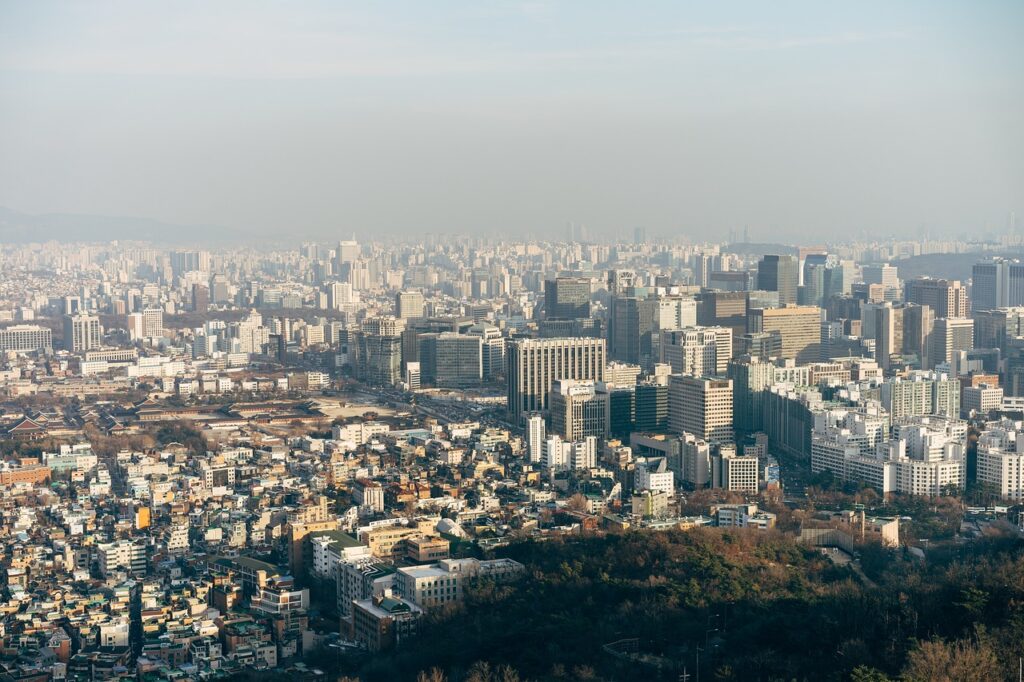
South Korea imposed sweeping restrictions on property purchases to curb speculation and make housing more affordable. A year later, the average apartment in Seoul costs $1.2 million, nearly $100,000 more than before the crackdown. Rents have also surged, leaving the government struggling to contain a housing market it sought to control.
The stakes are particularly high in South Korea, where apartment ownership is both a means of securing housing and an important way to build wealth. With average annual wages at approximately $38,000, buying a typical Seoul apartment now requires more than 30 years of gross earnings. Rising prices have made homeownership increasingly difficult for younger households, while escalating rents have made postponing a purchase less attractive.
The consequences extend beyond the property market. South Korea is a major U.S. trading partner, and rising housing costs can leave households with less money to spend elsewhere in the economy. The turmoil also illustrates a challenge facing governments in expensive housing markets. Restrictions on borrowing and property investment may curb speculative demand, but they cannot quickly resolve a shortage of homes.
According to figures compiled by South Korean property research firm Real Estate 114, the average Seoul apartment price increased from $1.1 million in October 2025 to $1.2 million in September 2026, a gain of approximately 9.4%.
The government intervened because speculative investment had become a growing concern as prices climbed in Seoul’s wealthiest neighborhoods and spread to residential areas along the Han River.
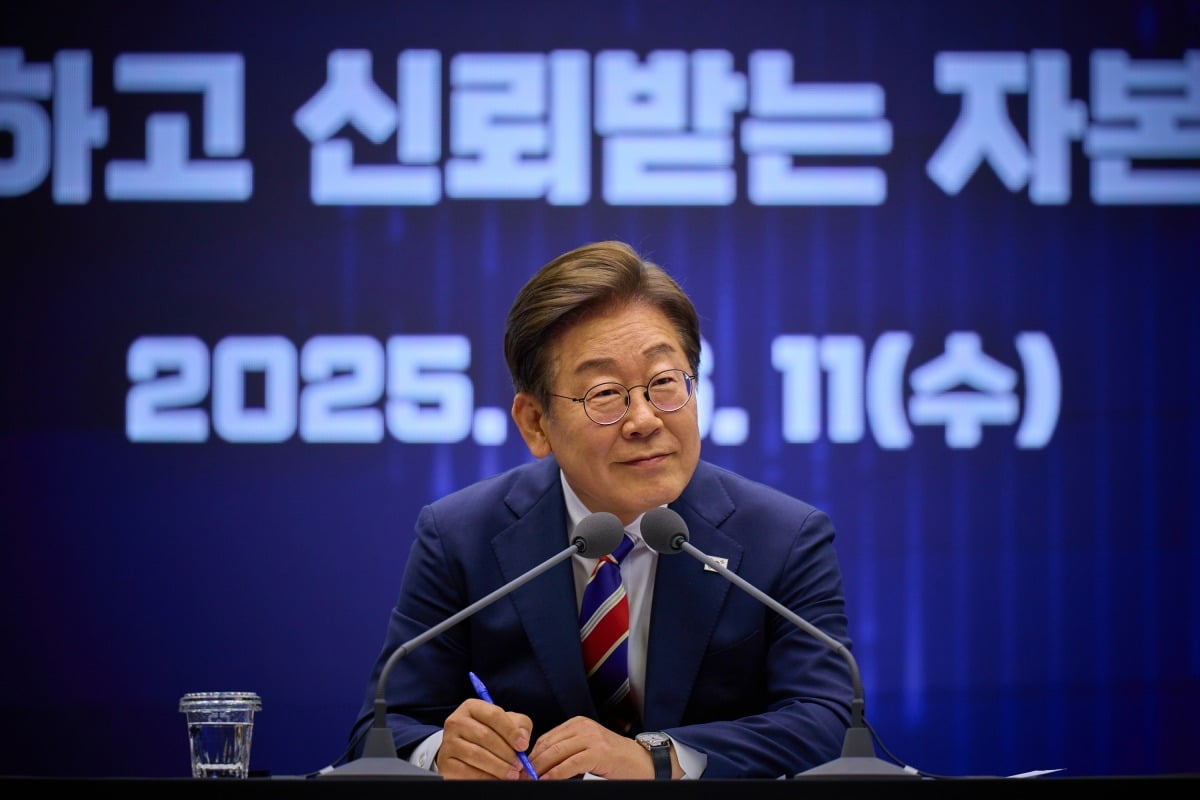
In June 2025, President Lee Jae Myung’s administration tightened mortgage lending rules to discourage excessive borrowing. When prices continued to rise, the government introduced broader restrictions in October, extending land transaction permit requirements across Seoul and major parts of neighboring Gyeonggi Province.
The measures required buyers of covered properties to obtain government approval and generally occupy their newly purchased homes. The goal was to discourage investors from acquiring apartments for financial gain rather than personal use.
A major target was gap investing, a property investment strategy made possible by South Korea’s unusual rental system.
Under the country’s jeonse system, tenants provide landlords with large refundable deposits instead of paying conventional monthly rent. Investors can use those deposits to finance apartment purchases, allowing them to acquire properties without providing the entire purchase price themselves.
The government sought to prevent investors from using this arrangement to accumulate properties and drive up prices.
But the intervention came as South Korea was already facing a shortage of new housing.
Years of economic weakness, rising borrowing costs and financial difficulties involving property development projects had reduced residential construction starts. Fewer projects getting underway meant fewer new apartments in the development pipeline, even as demand for housing remained strong.
The purchase restrictions did little to address that underlying problem. They also introduced additional pressure into the rental market.
Because buyers of covered properties were required to live in their newly acquired homes, apartments previously available to tenants could be removed from the rental market when ownership changed. That risk added to concerns about an already tightening supply of rental housing.
The result has been rising prices across both the purchase and rental markets.
According to the Korea Real Estate Board, South Korea’s official property statistics agency, Seoul apartment purchase prices increased 10.4% during the 50 weeks following the implementation of the restrictions on October 20, 2025.
Jeonse prices rose 9.7% over the same period, compared with 2.5% during the preceding 50 weeks. Rental deposit prices were increasing nearly 4 times as quickly as before.
As traditional jeonse arrangements became more expensive and harder to secure, tenants increasingly turned to monthly rental contracts.
By August 2026, monthly rental agreements, including arrangements combining deposits with monthly payments, accounted for a record 69.9% of Seoul apartment rental transactions.
The shift has intensified the financial pressure on households that cannot afford to buy. Rising monthly housing expenses leave less income available for savings, making it harder to accumulate the funds needed for a down payment.
At the same time, continued increases in apartment prices have created pressure to purchase whatever housing remains affordable before prices climb further.
The phenomenon has become known in South Korea as survival buying, reflecting how some prospective homeowners are prioritizing ownership over apartment size or location.
That pressure is increasingly visible in Seoul’s property transactions.
In October 2025, 9 of Seoul’s 25 administrative districts had average apartment prices exceeding $1.1 million. By September 2026, that number had risen to 13, putting more than half of the capital’s districts above the threshold.
The increase has spread beyond the affluent Gangnam, Seocho and Songpa districts into neighborhoods previously considered relatively affordable.
The number of districts where average apartment prices exceeded $745,000 rose from 14 to 19 over the past year. Only 6 districts remain below that level.
Even apartments with limited living space have experienced substantial price increases as buyers seek less expensive alternatives.
A 365 sq ft apartment in the Sinchon Prugio residential complex in western Seoul sold for $671,000 in September, approximately $111,000 more than 18 months earlier.
Another apartment measuring 441 sq ft in northern Seoul sold for more than $446,000 during the same month, an increase of roughly $100,000 in just 3 months.
The price increases have left policymakers facing difficult questions about the effectiveness of their approach.
The government sought to suppress speculative demand, but housing supply remained constrained. Meanwhile, rising rental costs have added financial pressure on households unable to enter the ownership market.
The restrictions cannot be identified as the sole cause of higher prices. Construction delays, financing difficulties and persistent housing demand were already affecting the market. Nevertheless, the simultaneous increases in purchase prices and rents have raised questions about whether restricting transactions can stabilize housing costs without addressing supply.
President Lee and Hong Ji-seon, South Korea’s minister of land, infrastructure and transport, maintain that property prices will stabilize.
Lee Sung-hoon, president of Korea Land and Housing Corp., the country’s state housing development agency, also suggested during a parliamentary audit on October 12 that rising interest rates and an expansion of housing supply could lead to a sharp decline in prices.
Such an outcome remains uncertain as Seoul faces the prospect of fewer newly completed apartments and additional rental demand from residents displaced by reconstruction and redevelopment projects.
Those pressures could further tighten the rental market, particularly as more landlords shift from traditional jeonse arrangements toward monthly payments.
The experience has exposed the difficulty of regulating a housing market in which apartments serve simultaneously as essential shelter and a major financial asset.
A year after the government expanded its restrictions, the central problem remains unresolved. Seoul’s housing supply has struggled to keep pace with demand, while rising purchase prices and rents have made both owning and renting a home more expensive.
South Korea’s challenge now extends beyond discouraging speculative investment. The government must find a way to stabilize housing costs in a market where limiting who can buy has not resolved the shortage of homes people can afford.