
Botox has long been an established name in America’s cosmetic injection market, but a South Korean competitor is trying to win over the clinics that decide which wrinkle treatments patients can receive.
Hugel, a South Korean medical aesthetics company, is expanding the availability of its Botox rival Letybo at eight clinics operated by Face Forward Aesthetics in Ohio, Pennsylvania and Nevada. The move puts another FDA approved treatment into the American market, where established manufacturers such as AbbVie, the U.S. pharmaceutical company behind Botox Cosmetic, compete for business from medical professionals and their patients.
Yet Hugel’s ambitions go beyond convincing more clinics to offer its product. The company is restructuring its American sales operation to capture more revenue from each sale, making its expansion a test of whether a Korean brand can build market share and profitability in an established U.S. industry.
Face Forward announced on October 19 that it had added Letybo to its injectable treatment portfolio. The company will offer the product alongside its existing wrinkle treatments, allowing patients to choose from additional options based on their cosmetic goals, medical histories and preferences.
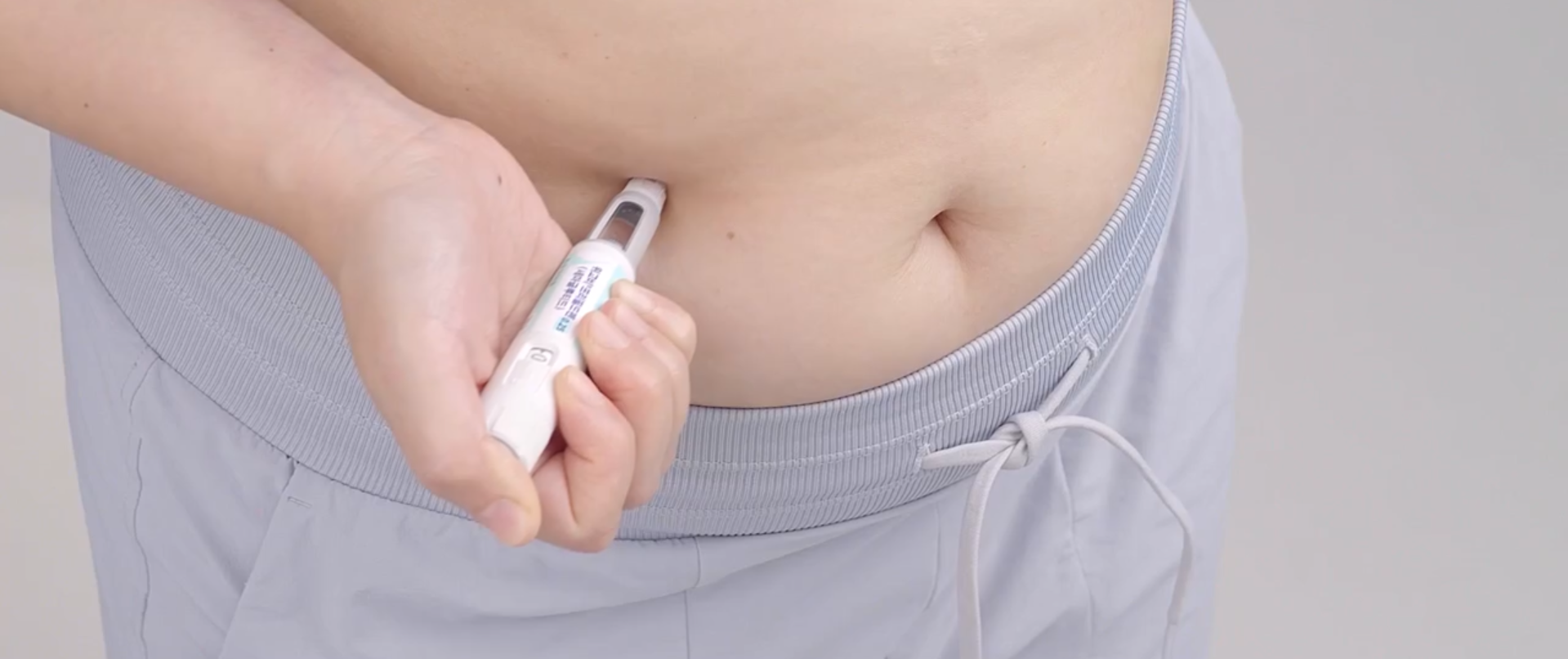
Letybo contains botulinum toxin, which temporarily relaxes targeted facial muscles to reduce wrinkles. The product is marketed in South Korea as Botulax, which Hugel says is the country’s bestselling botulinum toxin brand. The FDA approved Letybo in February 2024 to temporarily improve moderate to severe frown lines between the eyebrows in adults.
Regulatory approval, however, was only the beginning of Hugel’s effort to establish the product in the United States.
Hugel initially entered North America through Canada in 2023 before launching Letybo commercially in the United States with distribution partner Benev in March 2025. Under that arrangement, the company relied on an outside distributor to reach American clinics.
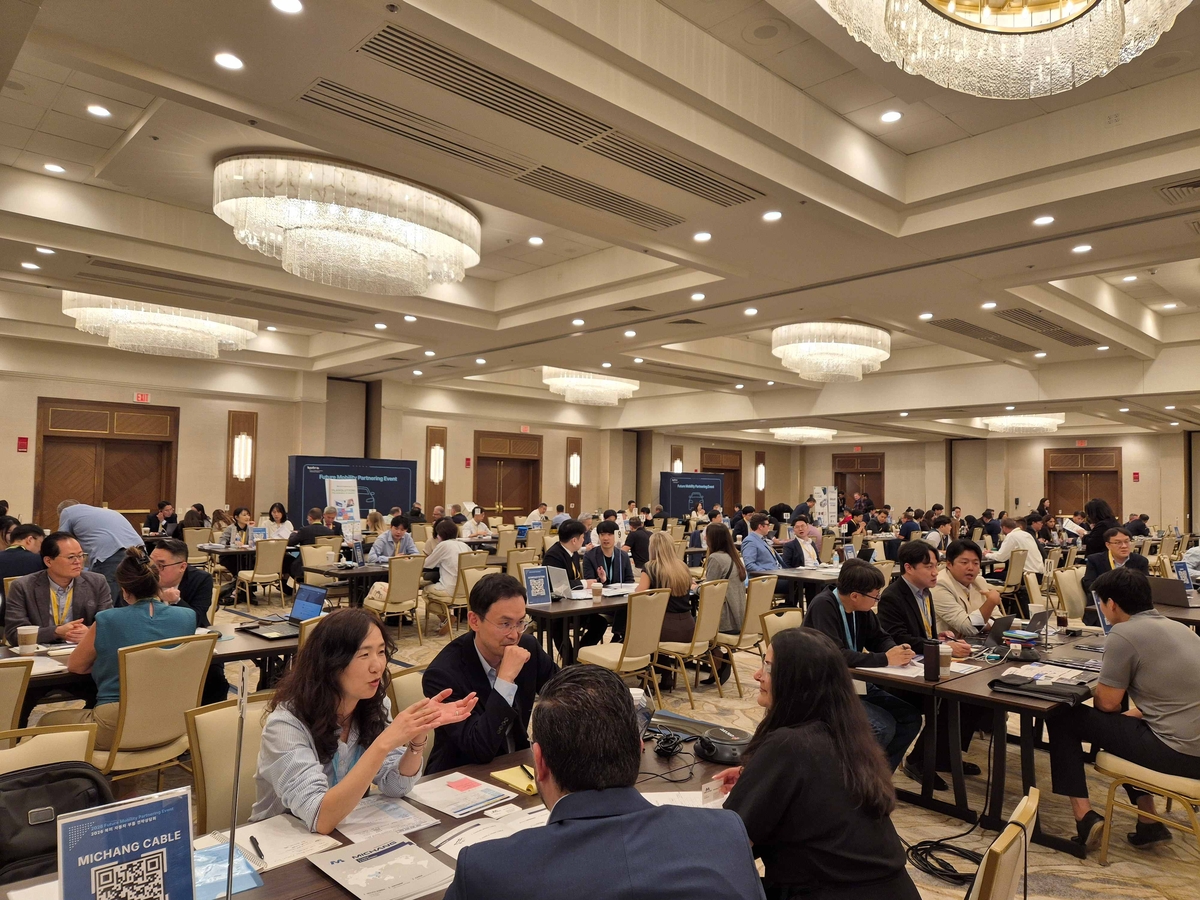
In July 2026, Hugel began strengthening its own U.S. sales organization while continuing to work with its distribution partner. The company held a sales meeting in Los Angeles on July 8 and assembled local executives responsible for operations, medical affairs, sales and marketing.
The change addresses a central financial challenge. Even as the purchase price paid by clinics remains unchanged, selling products directly allows Hugel to recognize substantially more revenue than it would through its previous distribution arrangement. Expanding the number of American clinics offering Letybo could therefore increase both sales and profitability.
Face Forward offers another opportunity to put that strategy into practice. Founded in 2018 and headquartered near Columbus, Ohio, the company operates clinics where nurse practitioners lead cosmetic treatments, including injections, laser procedures and skin rejuvenation services.
The clinic operator said growing interest in Korean beauty and treatments focused on maintaining a youthful appearance influenced its decision to introduce Letybo. Rather than replacing its existing injectable products, Face Forward is adding the Korean treatment to broaden the options available to its patients.
Ashley Ponce, Face Forward’s chief operating officer, described the introduction as part of the company’s commitment to adopting new aesthetic treatments and staying ahead of developments in the industry. Carrie Strom, global chief executive of Hugel Aesthetics, said the relationship would help expand access to Letybo through an established American clinic network.
Hugel’s international expansion has already contributed to stronger financial results. The company reported record revenue of $190 million in the first half of 2026, an increase of 27.2% from a year earlier, while operating profit rose 8.4% to $77 million.
Revenue from the Americas, which includes the United States and Brazil, more than doubled during the same period. The figures reflect growing demand across the region, although they do not separately establish how much of that increase came from the United States.
Hugel now aims to capture 14% of the American botulinum toxin market by 2030 and increase the operating profit margin of its U.S. subsidiary to as much as 40%. The company is also targeting $680 million in annual revenue by 2028, with the United States expected to generate 30% of that total.
Those targets depend on Hugel turning its growing presence in American clinics into sustained product sales. The Face Forward rollout marks another step in that effort, but the broader challenge remains whether the Korean manufacturer can persuade enough providers to adopt Letybo in a market where Botox and other established treatments already compete for patients.