The smart-home industry is entering a new phase of competition as technology companies move beyond standalone security cameras and connected appliances to build integrated systems that automate everyday household tasks. LG Electronics and Apple are joining forces on a new lineup of AI-powered devices, a move that could intensify pressure on Amazon’s Ring and Google’s Nest while opening new opportunities for investors tracking the connected-home market.
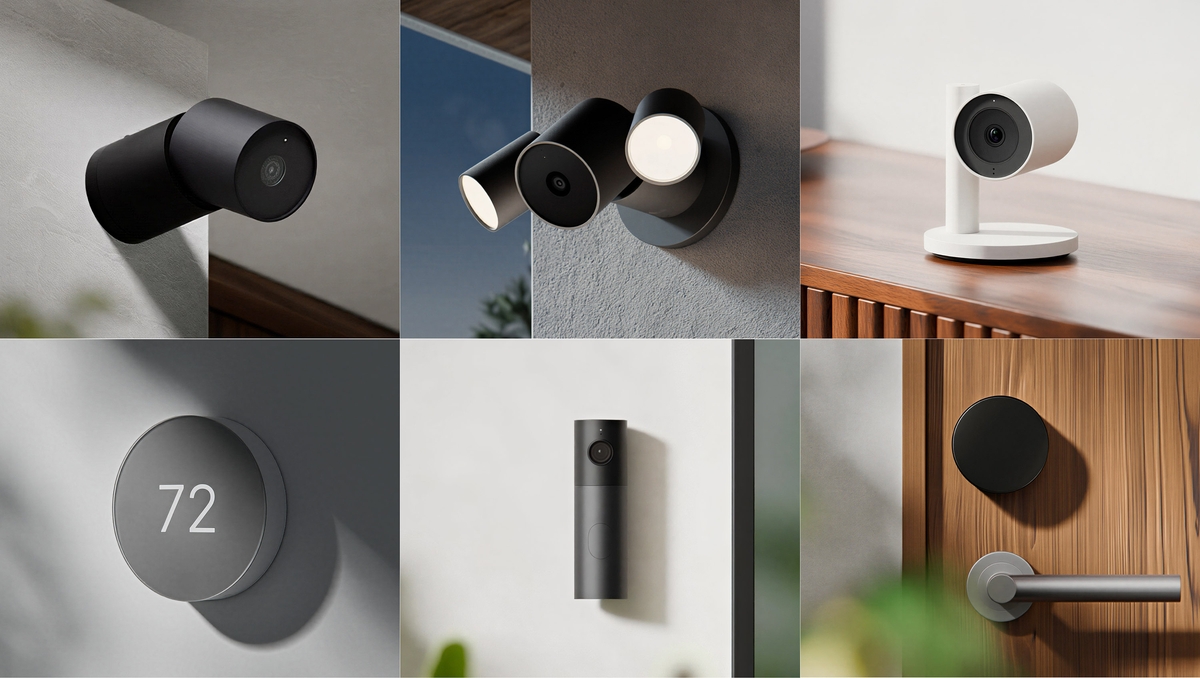
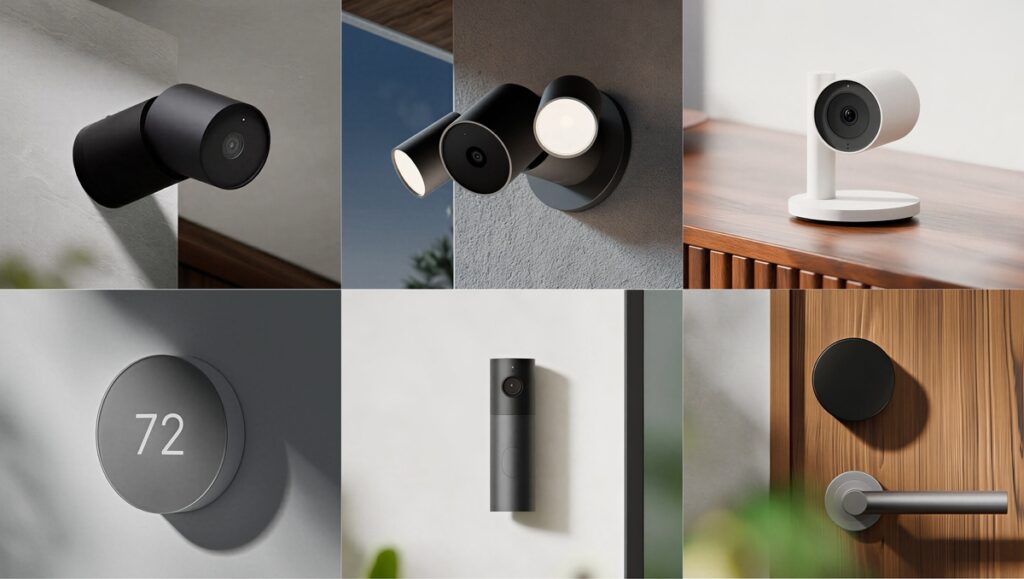
LG unveiled seven smart-home products at an event in Manhattan on October 13, 2026, including indoor and outdoor cameras, a video doorbell, a smart door lock, a thermostat and temperature sensors. The devices are designed to work across LG’s ThinQ AI-home platform and Apple’s ecosystem, allowing users to connect them to iPhones and iPads with a single tap.
The partnership combines LG’s home-appliance manufacturing expertise with Apple’s software platform and user-experience capabilities. The products will be sold under the LG brand, with LG responsible for manufacturing, sales and customer support. Apple reportedly contributed to product design and feature development.
The new devices are designed to make home automation more responsive to users’ behavior. A smart door lock equipped with multiple sensors can analyze subtle movements and infer when an authorized user intends to enter, allowing it to unlock automatically. It can also send alerts to mobile devices if a door is left open or unusual entry activity is detected.
Indoor and outdoor cameras, along with the video doorbell, use vision-based AI to help homeowners monitor activity around their properties. The system can deliver customized alerts, potentially reducing the need to constantly check camera feeds.
The thermostat is designed to use information such as users’ routines, schedules and weather conditions to manage indoor heating and cooling through devices including the iPhone and Apple Watch. The technology reflects a broader industry shift toward systems that anticipate household needs rather than simply respond to manual commands.
Security is another focus as connected devices collect increasingly detailed information about life at home. LG said the products incorporate its LG Shield security solution and Apple’s data-encryption technology. Both companies will need to demonstrate that their systems can protect household data while remaining easy to use.
For Apple, the partnership offers another way to extend its ecosystem into the home, where Amazon’s Ring and Google’s Nest have established positions in security and automation. Rather than relying solely on its own hardware, Apple can participate in a broader range of household devices through compatibility with LG products.
LG, meanwhile, is expanding beyond televisions and traditional appliances into AI-powered home devices and platform services. The company aims to strengthen its Internet of Things portfolio by linking its hardware expertise with Apple’s installed base of more than 2.5 billion active devices worldwide.
That reach could help LG introduce its products to consumers already invested in Apple’s ecosystem. For investors, the strategy highlights the potential value of cross-platform partnerships in a market where device compatibility, ease of setup and recurring consumer engagement may matter as much as individual hardware features.
The commercial outlook, however, will depend on pricing, availability and how reliably the devices work together in everyday use. The smart-home market remains divided among competing platforms, and privacy concerns or complicated setup processes could limit adoption even when products offer more advanced automation.
“By combining LG’s expertise in home appliances and residential spaces with Apple’s distinctive user experience and the strong security capabilities of both companies, we aim to deliver a safe and intuitive AI-home experience,” said Jung Ki-hyun, head of LG Electronics’ HS Platform Business Center.
The partnership underscores a broader shift in technology competition: the smart home is becoming an integrated service environment rather than a collection of connected gadgets. LG brings manufacturing scale and experience with household products, while Apple brings a large global device ecosystem. Their ability to deliver a seamless experience could help determine whether the companies can gain ground against Amazon and Google in the next phase of smart-home growth.