
South Korea’s presidential office is moving to establish a Future Response Fund, proposing to channel rising tax revenues generated during the country’s semiconductor boom into long-term growth initiatives and social programs, according to officials on July 6.
The proposal reflects a shift in fiscal strategy as policymakers seek to harness increased corporate tax receipts from the chip sector to finance strategic industries, youth employment, housing, and efforts to address widening income inequality.
Officials said the fund will be financed using what the administration now calls “additional tax revenue,” a deliberate departure from the term “excess tax revenue.” The distinction is significant under South Korea’s fiscal framework, which strictly governs how surplus revenues above official budget forecasts can be allocated.
Presidential Chief of Staff Kang Hoon-sik said the initiative is designed to convert windfall revenues into long-term investments for future generations. He said the fund would support major national projects, promote future growth industries, address what officials describe as a “K-shaped” inequality structure, and expand programs for housing, entrepreneurship, and jobs for people in their 20s and 30s.
The ruling Democratic Party said the government and party had agreed to pursue legislation to formalize the fund, marking the first official confirmation of a policy that had previously been under discussion among economic ministries and advisers.
The move comes amid a surge in earnings across South Korea’s semiconductor industry, driven by strong demand for artificial intelligence chips. The boom has boosted profits at companies such as Samsung Electronics and SK Hynix and increased corporate tax collections.
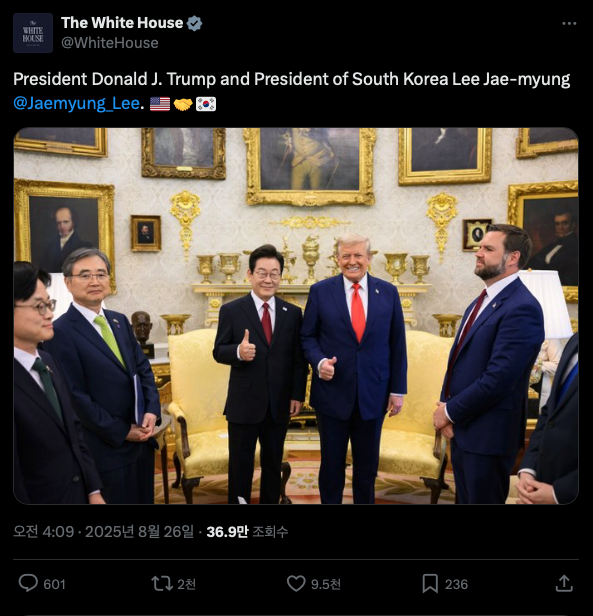
President Lee Jae-myung also instructed aides during a July 2 meeting to ensure that additional tax revenues are used efficiently to secure stable investment resources for future generations.
Under South Korea’s National Finance Act, excess tax revenue remaining after annual settlement must first be allocated to statutory uses, including transfers to local governments, education funding, public fund repayments, and national debt reduction. Only remaining balances may be used for supplementary budgets or carried over into the following fiscal year, limiting flexibility if the fund were based solely on excess revenue.
By shifting to the broader concept of “additional tax revenue,” officials appear to be seeking greater policy flexibility, potentially allowing them to capture wider year-over-year revenue gains driven by the semiconductor cycle rather than narrowly defined surplus calculations.
A senior government official said the scope of eligible revenue sources is still being defined and that legal amendments are being prepared to support the fund’s creation.
The proposal also raises questions about potential overlap with a planned Korean sovereign wealth fund, another presidential initiative expected to draw on increased tax revenues. Officials acknowledged that coordination between the two programs will be necessary to avoid duplication and ensure coherent use of funding sources.