
Artificial intelligence has become a central engine of U.S. economic growth, with surging demand for computing power and a rapid expansion of data center investment expected to support growth over an extended period, according to a Bank of Korea report released on June 29.
The report said large-scale capital spending by major technology companies is fueling sustained investment in AI infrastructure as firms race to expand computing capacity for increasingly complex applications.
The U.S. currently operates 4,378 data centers, accounting for 37.5% of the global total, while roughly 2,700 additional facilities are under construction or in planning stages, the report said.
AI-related capital expenditure added roughly 1 percentage point to U.S. economic growth during the first three quarters of last year, and accounted for about 39% of total growth over that period, making it one of the most significant contributors to the expansion, the report estimated.
The Bank of Korea expects the investment cycle to remain strong, driven by the rapid diffusion of agentic AI systems that are sharply increasing demand for computing capacity.
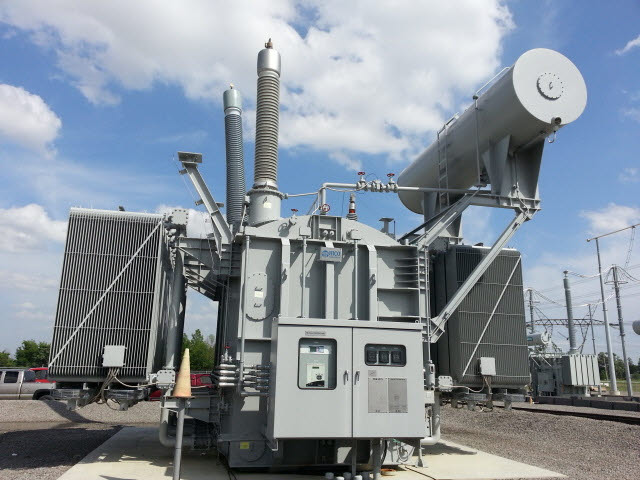
Rising costs are also reinforcing the investment cycle. AI infrastructure requires high-end semiconductors, specialized servers, expanded power systems and skilled labor, all of which remain in tight supply.
The report also noted that the rapid pace of technological change is shortening the economic lifespan of AI hardware. Continuous performance improvements are forcing firms to upgrade equipment more frequently than in traditional IT cycles.
AI chips and servers typically have an economic lifespan of only two to three years, due in part to heat management constraints and rapid performance gains, the report said.
The growing scale of investment has also led to an expansion of private credit–backed project financing for data center construction, raising concerns about potential financial vulnerabilities.
The report warned that if AI demand slows or monetization lags expectations, rising leverage in infrastructure financing could amplify credit risks.
It also urged policymakers to monitor constraints that could shape the trajectory of investment, including electricity supply, hardware supply chains and regulatory conditions.
In a separate analysis, Kim Jwa-gyeom, deputy head of the Bank of Korea’s New York Office, said AI-driven data center expansion is contributing to widening imbalances in U.S. electricity supply and demand.
He said higher electricity costs could add persistent inflationary pressure, while also reducing household real income and weighing on consumption.
The report added that policymakers may need to consider targeted support measures for lower-income households that are disproportionately affected by rising electricity prices.