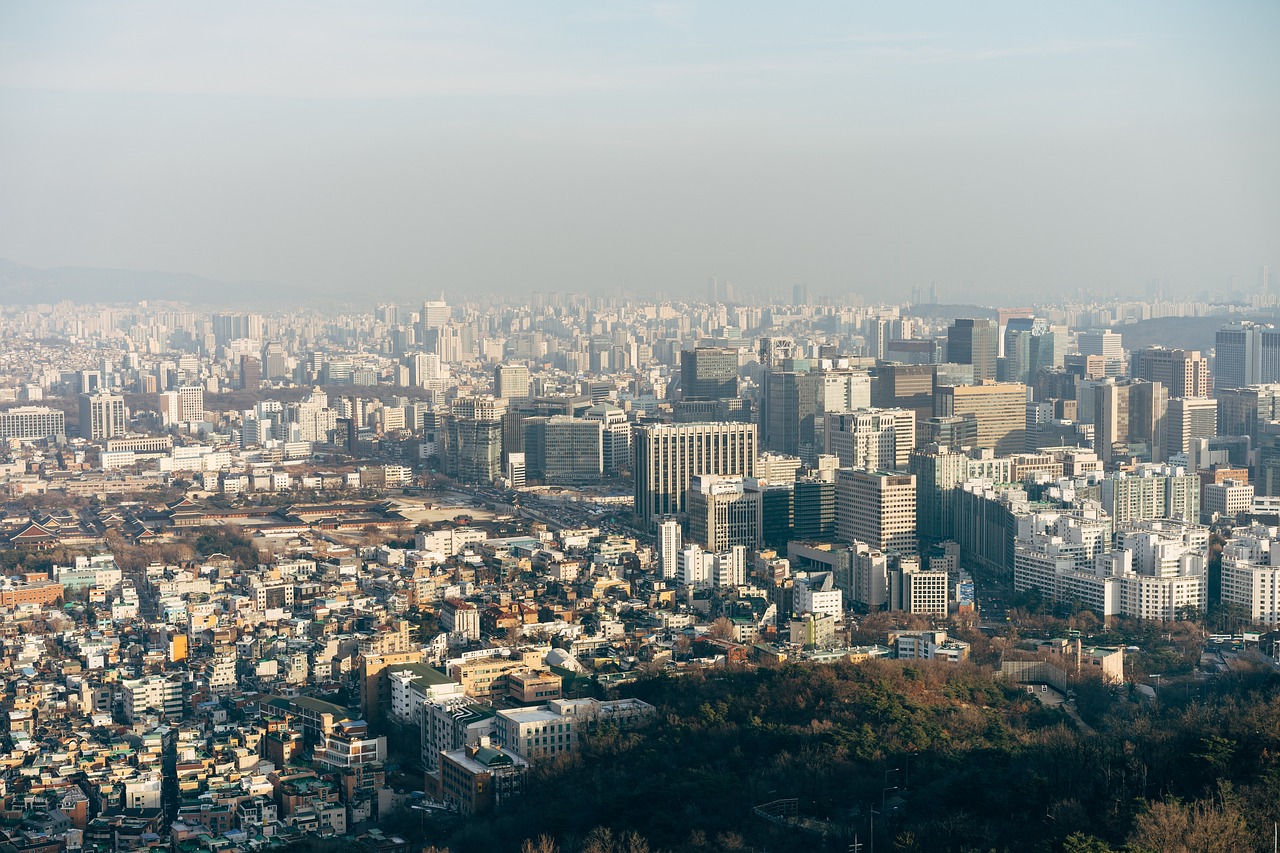

South Korea has become one of Asia’s most profitable markets for multinational companies, with many foreign brands generating robust earnings and returning a substantial share of those profits to their overseas parent companies.
A report released on July 1 by corporate research firm CEO Score found that the South Korean subsidiaries of the country’s 100 largest foreign-invested companies distributed approximately $13.5 billion in dividends between 2023 and 2025, equal to 52% of their combined net income of about $26 billion.
The findings underscore how South Korea’s mature consumer market, strong purchasing power and demand for premium products continue to generate sizable returns for global companies spanning luxury goods, automobiles, technology and financial services.
Unlike most listed South Korean companies, whose dividends are primarily paid to domestic shareholders, foreign-owned companies typically transfer dividends to parent companies abroad. As a result, dividend payments provide a gauge of how much profit generated in South Korea ultimately leaves the country.
Luxury brands ranked among the biggest beneficiaries.
The South Korean subsidiaries of Louis Vuitton, Hermès, Chanel, Christian Dior Couture and Richemont-owned Cartier paid a combined $1.54 billion in dividends to their overseas parent companies over the three-year period.
Louis Vuitton Korea distributed approximately $438 million, the largest amount among luxury brands, excluding its 2025 annual dividend. Hermès Korea followed with about $417 million, while Chanel Korea paid roughly $309 million, also excluding its 2025 annual dividend. Christian Dior Couture Korea distributed approximately $249 million, and Richemont Korea, which operates Cartier, paid about $129 million.
Global automakers also generated healthy returns in South Korea despite intensifying competition from domestic manufacturers and electric-vehicle brands.
BMW Korea distributed approximately $257 million in dividends, equivalent to 92.3% of its cumulative net income during the period. Mercedes-Benz Korea paid about $229 million, or 67.8% of earnings, while Renault Korea distributed roughly $87 million, representing 59.3% of net profit.
GM Korea paid approximately $90 million in dividends, although the payment represented only 3% of cumulative earnings because it primarily reflected previously unpaid preferred-share dividends dating back to 2018.
Among all foreign-invested companies, Coupang recorded the largest single dividend payment, distributing approximately $1.07 billion to its U.S. parent company in 2025. The payment marked the Korean e-commerce company’s first dividend since it was established in 2013.
Other major dividend contributors included Eukor Car Carriers, Citibank Korea, MetLife Korea, OB Beer, Apple Korea, Lina Life Insurance, 3M Korea, Standard Chartered Korea and Costco Korea, each returning hundreds of millions of dollars to overseas shareholders.
The study also highlighted the financial strength of many foreign companies operating in South Korea. Nineteen of the 70 companies that paid dividends during the three-year period distributed more cash than they generated in net income, indicating they were able to utilize accumulated retained earnings despite weaker recent performance.
The data suggest that South Korea continues to offer multinational corporations a highly profitable operating environment, reinforcing the country’s role not only as a strategic production base and consumer market but also as a significant source of earnings for global parent companies.