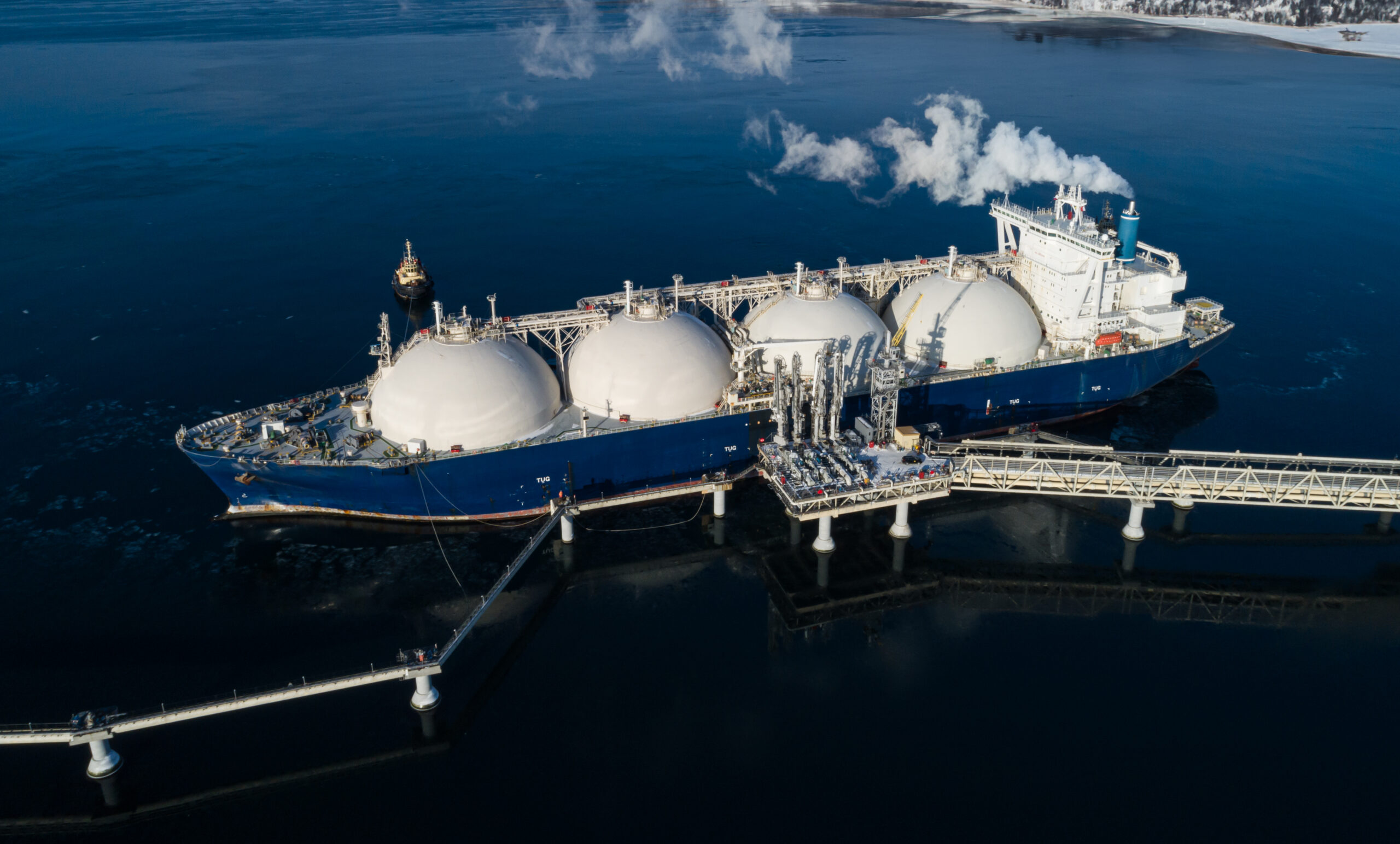
A proposed Alaska LNG project is facing a fresh test of commercial viability as South Korea pushes back against U.S. claims that its participation has been settled. For U.S. energy companies, infrastructure developers and investors, the dispute highlights a central question for one of the country’s most ambitious LNG projects: whether Washington can reduce the project’s costs and regulatory risks enough to attract long-term capital.
South Korean Industry Minister Kim Jung-kwan said on October 1 that Seoul had not finalized an investment commitment to Alaska LNG and would proceed only after determining that the project makes commercial sense. Kim said he had raised objections with U.S. Commerce Secretary Howard Lutnick after President Donald Trump described the Korean participation as effectively confirmed.
“The only standard is commercial rationality,” Kim said, emphasizing that South Korea would not proceed if the project failed to meet that test.
The disagreement also highlights uncertainty over the project’s potential investment size. U.S. officials have discussed an investment of more than $50 billion, while South Korea said the amount has not been finalized. Kim noted that the figure had previously been discussed at about $67 billion before falling toward $50 billion, adding that Seoul would review the latest U.S. materials before making a decision.
For U.S. investors, the economics are particularly important because Alaska LNG faces a cost structure that differs sharply from projects along the Gulf Coast. The development would require an approximately 800-mile pipeline connecting gas fields on Alaska’s North Slope with an LNG export terminal in southern Alaska, along with extensive gas-treatment and liquefaction infrastructure.
South Korea also sees permitting and labor availability as major risks. Kim said Alaska’s weather conditions make it difficult to secure workers and that lengthy permitting procedures have been a challenge. Greater involvement by the U.S. federal government could help address both issues, potentially improving the project’s investment case.
The Alaska LNG debate is part of a broader U.S.-South Korean strategic investment framework. Seoul has been negotiating around three major areas, including energy, nuclear power and shipbuilding. Kim said progress on measures the U.S. needs to implement in the shipbuilding sector has been slower than expected, with South Korea pressing Washington to move faster.
The two sides have also discussed U.S. nuclear projects. Kim said participation by South Korea’s nuclear industry could have broader significance by expanding the industry’s presence in global markets, even as U.S. nuclear companies have shown sensitivities about foreign participation.
South Korea has previously rejected several U.S. investment proposals on commercial grounds. Kim said Washington initially proposed participation in a Louisiana LNG terminal, but Seoul declined after determining that recovering principal and generating adequate returns would be difficult. Carbon capture, utilization and storage projects and spent-nuclear-fuel reprocessing facilities were also considered but ultimately rejected over commercial viability concerns.
That history gives Alaska LNG a clear hurdle. Strategic value alone is unlikely to secure South Korean capital; the project must demonstrate an investment case that can withstand scrutiny over construction costs, permitting, labor, LNG pricing and capital recovery.
For U.S. energy developers and investors, the outcome could determine whether political support for Alaska LNG can be translated into a financeable project. Until the commercial review is completed, South Korea’s participation—and the project’s ultimate funding structure—remain open questions.