South Korea’s renewed review of Alaska LNG is putting a potentially multibillion-dollar U.S. energy project back on the radar for American energy companies and investors, as Seoul weighs the strategic value of diversifying natural-gas supplies against concerns over the project’s commercial returns.
President Donald Trump said on Oct. 1 that an Alaska LNG pipeline would be built as part of South Korea’s broader U.S. strategic investment plan. Commerce Secretary Howard Lutnick said the Alaska project could attract more than $50 billion in investment.
For investors, however, the headline figure masks a more uncertain reality. South Korea has not approved the Alaska LNG investment and says the project must first demonstrate commercial viability and satisfy domestic legal requirements.
The U.S. and South Korea have agreed to begin reviewing Alaska LNG, known as Project North, as one of the strategic investment projects covered by their bilateral memorandum of understanding, according to South Korea’s Ministry of Trade, Industry and Energy.
Trump said Oct. 1 that South Korea planned to invest as much as $200 billion in the U.S. The package, he said, would include 6 gigawatts of power-generation capacity, eight large nuclear reactors and an Alaska LNG pipeline.
Lutnick said the eight nuclear reactors would receive as much as $120 billion and a Texas gas-fired power project would attract about $22 billion, while Alaska LNG would receive more than $50 billion.
The U.S. announcement made Alaska LNG sound like a committed project. Seoul’s position is considerably more conditional.
South Korea has confirmed the Texas gas-fired project as its first strategic investment and agreed to pursue eight U.S. nuclear reactors. Alaska LNG, by contrast, is only entering a feasibility review.
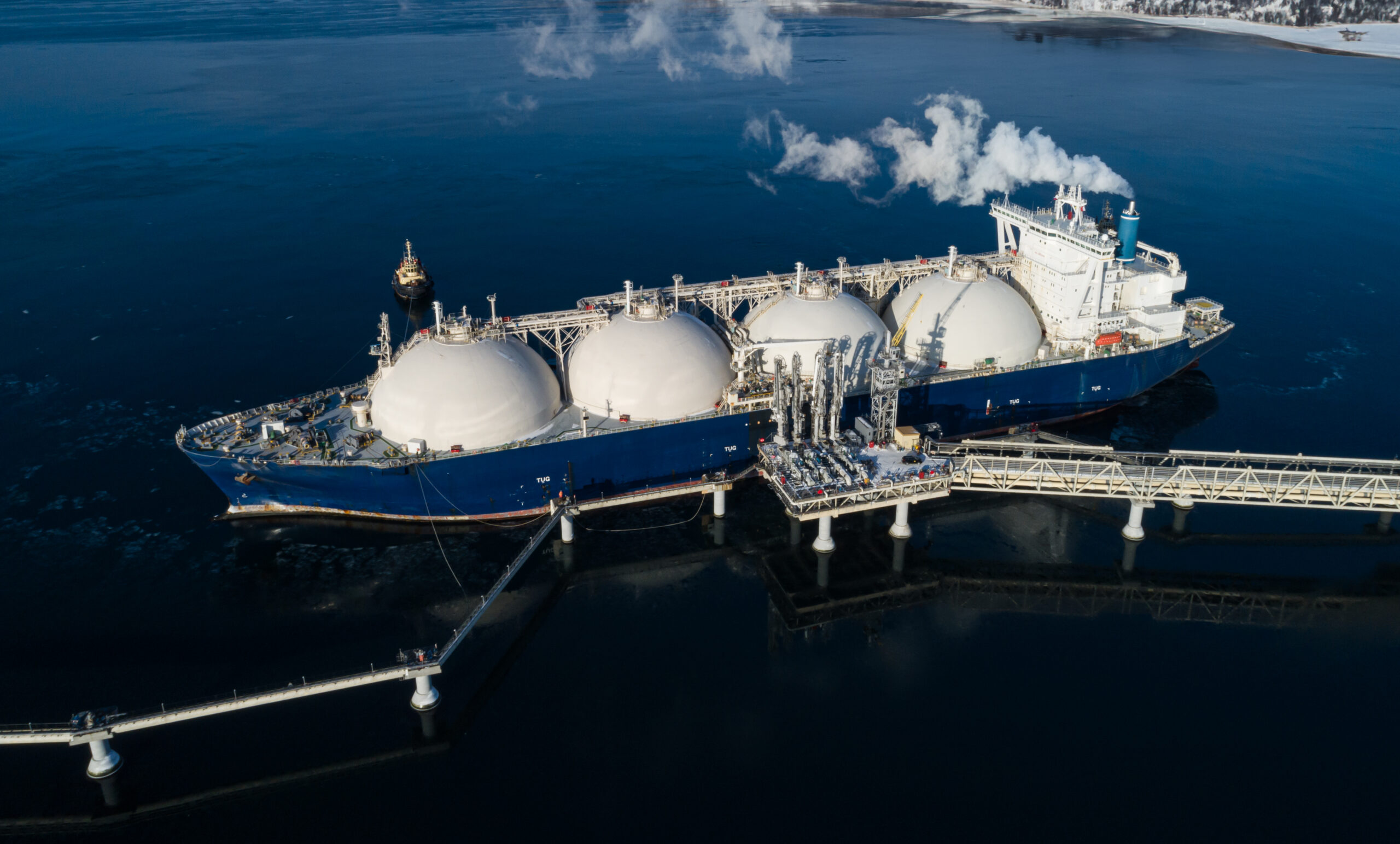
The Alaska LNG project would transport natural gas from northern Alaska through a large pipeline to the state’s southern coast, where it would be processed and exported as LNG.
South Korean officials have historically questioned the project’s economics. But the geopolitical risks exposed by recent disruptions to global energy markets have changed the calculus.
Concerns over Qatar LNG supplies, along with the exposure of shipments from suppliers such as Malaysia and Australia to strategic waterways including the Strait of Malacca and Taiwan Strait, have increased the appeal of diversifying South Korea’s LNG supply chain.
Kim Jung-kwan, South Korea’s trade minister, said on Sept. 22 that the project’s commercial economics remained weak but that it warranted further examination.
Seoul has emphasized that strategic value alone will not justify an investment. Officials plan to examine permitting delays, labor availability, climate conditions and other project risks, as well as whether investors could recover their principal and returns over the project’s operating life.
If Alaska LNG moves forward, the project could create opportunities for U.S. energy developers, equipment suppliers and LNG producers while giving South Korea greater access to U.S. natural gas.
Washington has indicated that it would seek to make the project more attractive to South Korean participants. Potential measures include lower tariffs on project-related materials such as steel, long-term LNG purchase agreements on commercially viable terms and preferential access for South Korea to LNG produced by the project.
Those conditions are not yet guaranteed and would apply only if Seoul ultimately approves the project.
The investment amount is also unsettled. Lutnick said the project would receive more than $50 billion but did not provide a final figure. The U.S. had previously proposed a project value of about $67 billion, while South Korea has pushed for a lower amount to keep the project within the overall investment framework. Foreign media reports have cited a figure of roughly $54 billion.
The broader constraint is the $200 billion ceiling agreed by Washington and Seoul for strategic U.S. investment. South Korea has also said annual investment would remain capped at $20 billion.
Kim said Sept. 22 that the total could not exceed $200 billion and that Seoul was waiting for a reduced proposal from Washington.
For U.S. investors, the key issue is therefore not simply whether Alaska LNG has returned to the bilateral agenda. It is whether the project can produce returns strong enough to justify the capital required while offering South Korea a meaningful strategic benefit.
Until that test is met and the necessary legal reviews are completed, the more than $50 billion figure announced by Washington remains a potential investment rather than a final commitment.