For U.S. investors and AI infrastructure companies, the cost of powering data centers is set to rise sharply as a persistent memory shortage pushes high-bandwidth memory prices higher. TrendForce expects the blended average selling price for HBM to jump 121% in 2027 from the previous year, as demand for AI servers collides with limited production capacity and a broader shift toward next-generation HBM4.
The forecast, released September 29, points to a growing cost challenge for companies building AI systems. Nvidia and other GPU makers, as well as developers of custom AI accelerators, are weighing changes to memory configurations as the price and availability of HBM increasingly affect the economics of each chip.
The supply constraint reflects a competition for advanced manufacturing capacity between HBM and conventional DRAM. With AI infrastructure demand continuing to expand, memory makers are allocating more advanced process and wafer capacity to HBM, leaving the broader memory market vulnerable to tighter supplies through 2027.
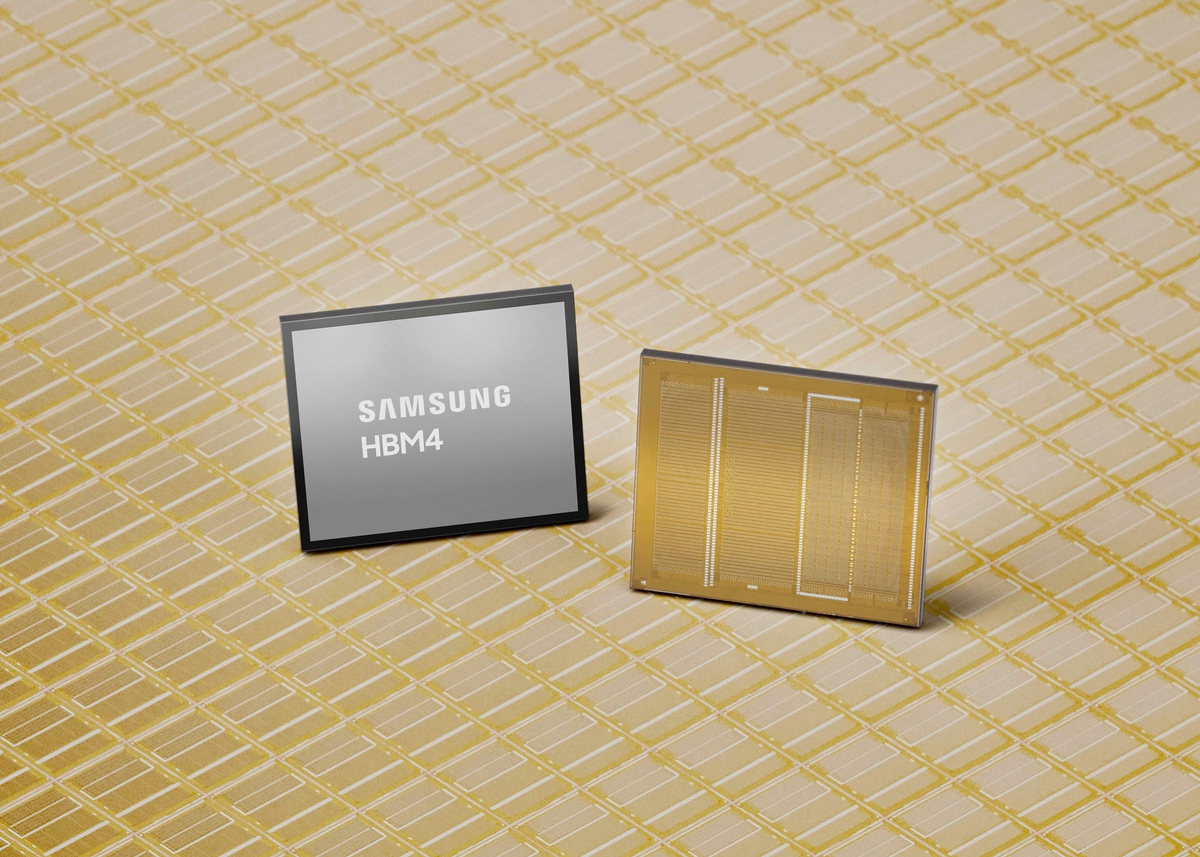
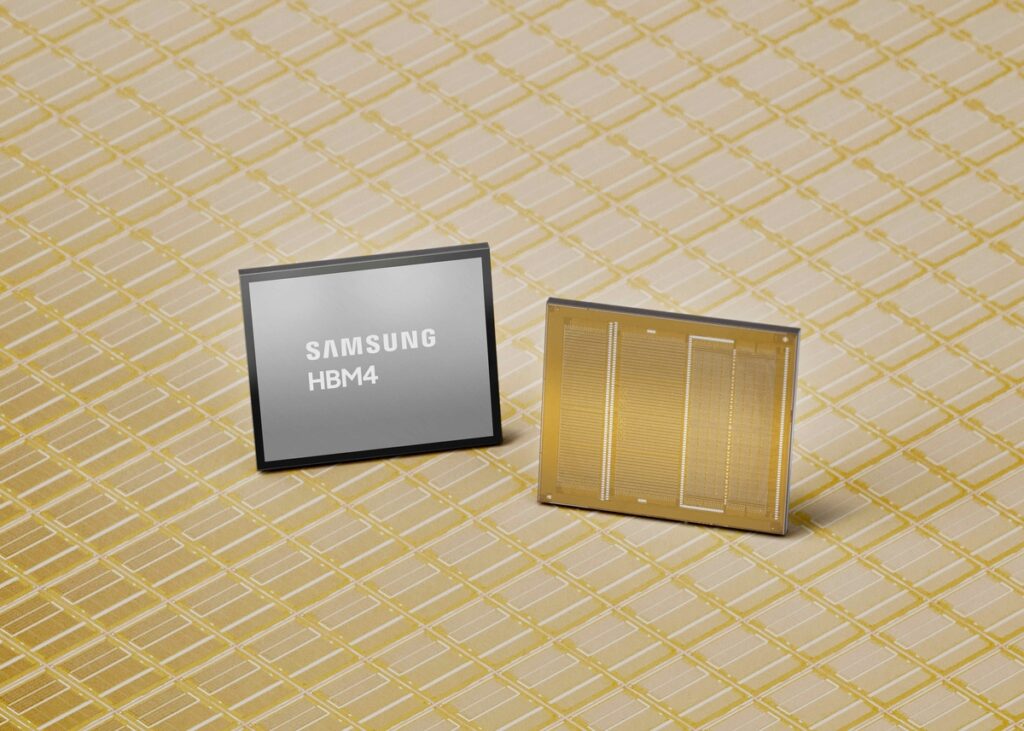
HBM4, the sixth generation of the technology, is expected to account for a growing portion of shipments next year, contributing to the increase in blended pricing. The transition comes as AI chipmakers face higher system costs and limited access to HBM.
One response under consideration is to use eight-layer HBM stacks instead of 12-layer products. The eight-layer configuration requires less memory per AI accelerator and could reduce the amount of HBM consumed by each GPU or application-specific integrated circuit, potentially allowing chipmakers to stretch constrained supplies across more systems.
But the lower stack height doesn’t necessarily translate into lower memory costs.
Because both eight-layer and 12-layer products require a base die, the fixed cost is spread across fewer gigabits in an eight-layer configuration. As a result, TrendForce expects the selling price of eight-layer HBM on a per-gigabit basis to be about 10% to 20% higher than that of 12-layer HBM in 2027.
That creates a difficult trade-off for AI chipmakers. Using less HBM per accelerator could help manage total system costs and supply constraints, while the higher per-gigabit price could increase the cost of each unit of memory.
For U.S. technology companies and investors, the development also highlights how memory has become a strategic constraint on AI infrastructure alongside GPUs, advanced packaging and semiconductor manufacturing capacity.
The competition for wafer capacity could extend beyond HBM. As memory manufacturers devote more resources to AI-related products, conventional DRAM could also face tighter supply, increasing costs across servers and other computing equipment.
The result is a new pressure point in the AI buildout: Even as chip designers improve accelerator performance, the economics of scaling data centers will increasingly depend on how much advanced memory they can secure—and at what price.