South Korea’s booming creator economy is confronting a new platform-policy risk as YouTube tightens restrictions on content linked to eating disorders, a shift that could affect advertising revenue and audience strategies for food creators. For U.S. advertisers, streaming platforms and investors watching Asia’s digital-media market, the changes offer a glimpse of how platform safety rules can quickly reshape the economics of an established content category.
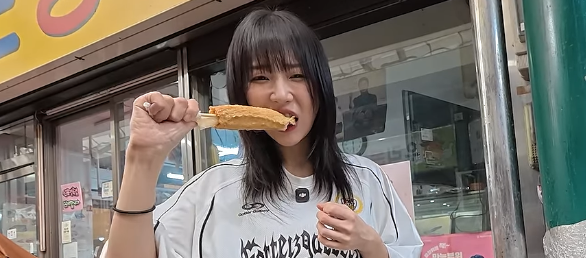
On September 21, mukbang star Tzuyang, who has about 13.5 million YouTube subscribers, posted a video from Sinpo Market in Incheon in which she joked that she would become a creator who eats “in moderation.” The remark came during a food tour in which she continued sampling dishes from multiple vendors.
Tzuyang began with a combination of Korean sweet-and-spicy fried chicken and regular fried chicken, finishing both before moving to a snack shop. She then ordered tteokbokki, Korean blood sausage and assorted fried foods.
After joking about eating less, she continued through the market, sampling grilled meat patties, handmade fish cakes, doughnuts and twisted Korean doughnuts. At a noodle restaurant, a customer who recognized her gave her a pork cutlet as a complimentary dish.
Tzuyang later paid for the meals of nearby customers before continuing her food tour with fried squid and fruit. She eventually ended the video by saying she had not eaten as much as she wanted.
The episode comes as YouTube faces growing scrutiny over content involving eating disorders and potentially harmful eating behavior. The platform’s policies prohibit content that promotes or glorifies eating disorders, while its advertising rules can restrict monetization for material involving eating-disorder triggers or instructions for binge-eating and other harmful behaviors.
For the creator economy, the issue is less about one video than about the changing commercial rules surrounding a major entertainment format. Mukbang, a genre built around watching creators eat, has become a significant part of South Korea’s online-video culture and has developed audiences well beyond the country.
That makes platform-policy changes relevant to advertisers and investors. A shift in what can be monetized can affect creator income, sponsorship strategies and the types of content that creators are willing to produce, particularly for channels whose appeal is closely tied to extreme or excessive eating.
Tzuyang’s latest video illustrates the tension. Her comment about eating “in moderation” was followed by a tour featuring food from several market vendors, preserving the lighthearted format that has helped make her one of South Korea’s most recognizable food creators.
The broader question for the digital-media industry is whether established mukbang creators can retain audiences while adapting their content to stricter platform and advertiser standards. As YouTube and other platforms increasingly weigh potential risks to vulnerable viewers, creators and advertisers may have to place greater emphasis on how eating behavior is presented rather than simply on how much food appears on screen.