The artificial intelligence boom that has poured billions of dollars into Nvidia and U.S. data centers is producing an unusual second order effect in South Korea. Record profits at the country’s memory chip makers are swelling government tax revenue, giving Seoul enough fiscal room to propose a record $596 billion budget for 2027 while spending aggressively on the next phase of the AI race.
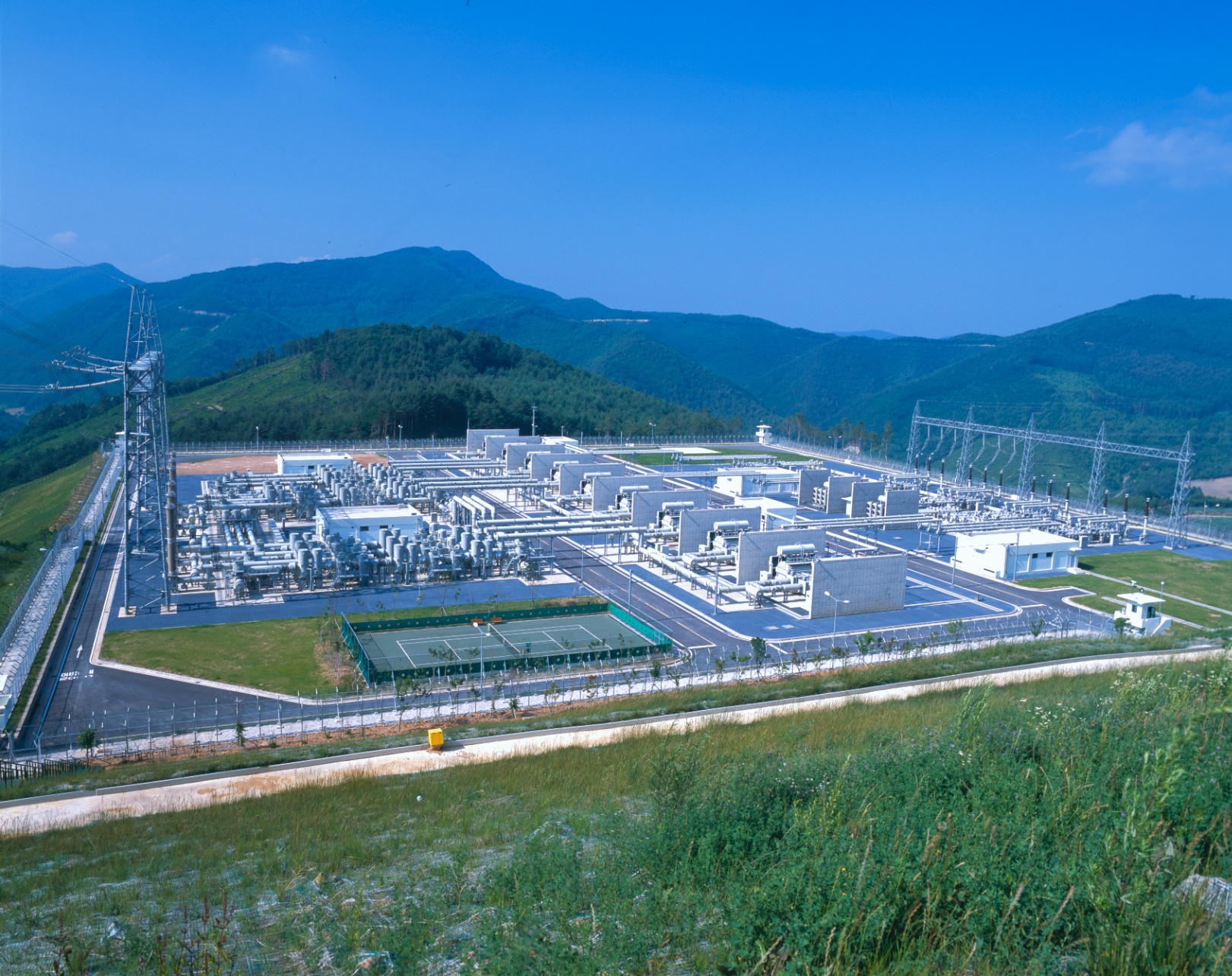
That makes South Korea’s budget more than a domestic spending story. Samsung Electronics, South Korea’s largest technology company and one of the world’s biggest memory chip producers, and SK Hynix, a Korean semiconductor company and a leading supplier of high bandwidth memory used in AI systems, sit deep inside the hardware supply chain serving American technology companies. SK Hynix is building a more than $4 billion AI memory packaging operation in Indiana to serve customers including Nvidia, Microsoft and Google. Now some of the tax revenue generated by the same AI driven semiconductor boom is being directed back into computing infrastructure, including a planned $2.8 billion purchase of 10,000 Nvidia Vera Rubin GPUs.
The result is a cycle that shows how far the economics of AI have spread. Demand for AI computing is lifting Korean semiconductor profits, those profits are increasing government tax receipts, and Seoul is using part of the windfall to build more AI capacity of its own.
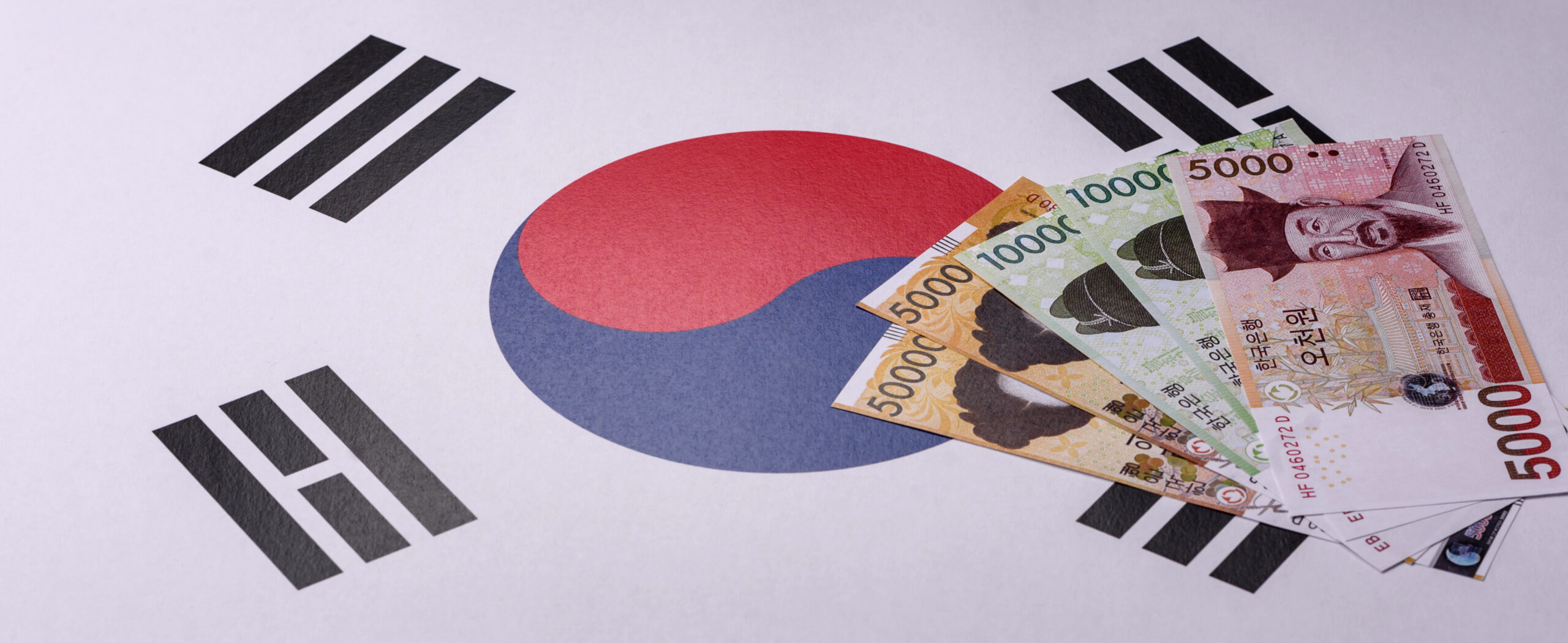
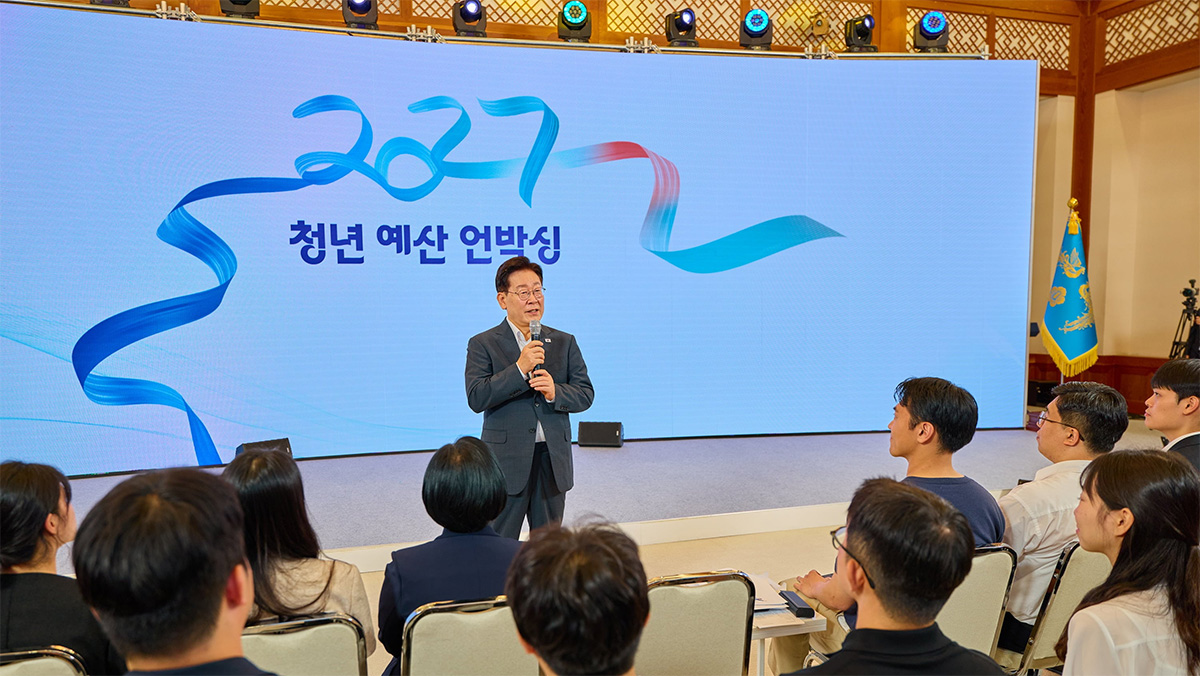
South Korea’s proposed 2027 budget is $67 billion larger than this year’s $529 billion plan, an increase of 12.8 percent and the largest annual rise on record. The government expects the national budget to exceed $727 billion by 2030.
The surge is possible because government revenue is rising even faster. Seoul expects total revenue to reach $640 billion next year, up 30.4 percent, with the semiconductor boom accounting for much of the increase.
National tax revenue is projected to rise by $140 billion as stronger chip industry earnings generate more corporate and income tax receipts. Nontax revenue is expected to add another $8.2 billion, pushing the overall increase in government revenue to about $150 billion.
The government is trying to avoid treating the semiconductor windfall as ordinary revenue that can simply be spent indefinitely. It is creating a Future Response Fund that will set aside tax collections exceeding the longer term trend and direct the money toward projects intended to strengthen economic growth.
About $33 billion is planned for youth programs, future growth industries, regional development, education and talent development. The fund will also allow the government to reduce new bond issuance by about $9 billion next year.
AI is among the clearest priorities. Seoul plans to spend $2.8 billion on 10,000 Nvidia Vera Rubin GPUs as it seeks to develop an advanced domestic AI model. The investment reflects South Korea’s attempt to move beyond supplying memory chips to the global AI industry and build more of the computing infrastructure and technology that sits on top of those chips.
Other parts of the budget show how the government intends to use the temporary strength of the semiconductor cycle to confront problems that have little to do with chips.
Incoming students at 30 regional national universities will receive full tuition support, excluding medical, dental, pharmacy and veterinary programs. The measure comes as South Korea tries to strengthen universities and communities outside the Seoul metropolitan area.
Electric vehicle support will also expand. The government plans to provide subsidies of $2,180 per vehicle while increasing the number of eligible vehicles to 430,000 from 300,000 this year.
A new child asset program will provide as much as $870 a year from birth through age 18 to children born on or after Sept. 1, 2026. The government estimates that the accounts could grow to between about $43,600 and $72,700 by maturity if annual returns reach 5 percent to 10 percent.
The spending surge does not eliminate South Korea’s fiscal risks. Government debt is still projected to exceed $1 trillion for the first time, reaching about $1.1 trillion. But because revenue is rising so rapidly, debt as a share of gross domestic product is expected to fall by 3.3 percentage points to 48.3 percent.
That tension is central to the budget. South Korea is receiving an extraordinary fiscal windfall from an AI driven semiconductor boom, but chip cycles do not last forever. The government is effectively trying to convert a period of exceptional semiconductor profits into AI infrastructure, human capital and other investments that can continue producing growth after the current boom eventually cools.