A deadly flood at a major hydropower construction site in Nepal is highlighting the risks facing South Korean companies expanding into infrastructure projects in frontier markets, as governments and contractors increasingly rely on overseas power development to secure long-term growth.
The incident could also put a spotlight on the operational and political risks investors face as Asian utilities and engineering companies pursue hydropower projects in countries where difficult terrain, extreme weather and limited infrastructure can complicate construction and emergency response.
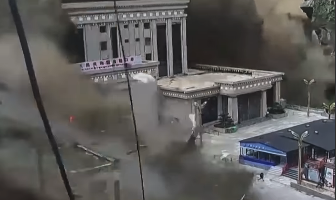
A sudden flood on Aug. 26 disrupted operations at the Upper Trishuli-1 hydropower project and left eight South Korean workers unreachable. The project is being developed with the participation of South Korean companies, including Doosan Enerbility and Korea South-East Power.
Doosan Enerbility said it established an emergency response headquarters and plans to send a field-response team led by Chief Executive Jeong Yeon-in on Aug. 27. The company is responsible for engineering, procurement and construction work on the project.
Of the 20 South Korean employees working on the project, 15 were at the site when the flood struck. Five remain out of contact, the company said.
Korea South-East Power said three of its seven employees stationed in Nepal, excluding personnel at its Kathmandu office, were unreachable. The company has established a 24-hour emergency-response operation led by acting Chief Executive Cho Young-hyuk and dispatched personnel from its Kathmandu office to the site.
The companies are coordinating with Nepalese authorities, the South Korean Foreign Ministry and the South Korean Embassy in Nepal. Nepalese military rescue helicopters and teams made up of military and police personnel have been deployed to search for survivors.
The South Korean Embassy said it notified the Nepalese government that eight South Korean nationals were unreachable and requested an immediate search-and-rescue operation. A South Korean consul was also dispatched to the site.
For investors watching the global infrastructure market, the incident underscores a broader trade-off in overseas hydropower development: projects can offer utilities and engineering companies access to fast-growing electricity markets and long-duration infrastructure investment, but construction in remote regions can expose companies to weather, logistics and execution risks that are difficult to hedge.
Doosan Enerbility said it has contacted the families of employees who remain unreachable and is working with authorities and project partners to support the search and rescue.
The flood occurred upstream of the Upper Trishuli-1 construction site at about 9 a.m. local time on Aug. 26. The incident occurred as Nepal continues to develop its hydropower resources, an important part of the country’s plans to expand electricity generation and infrastructure.