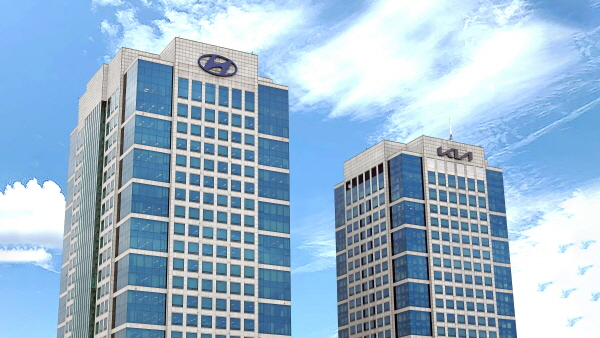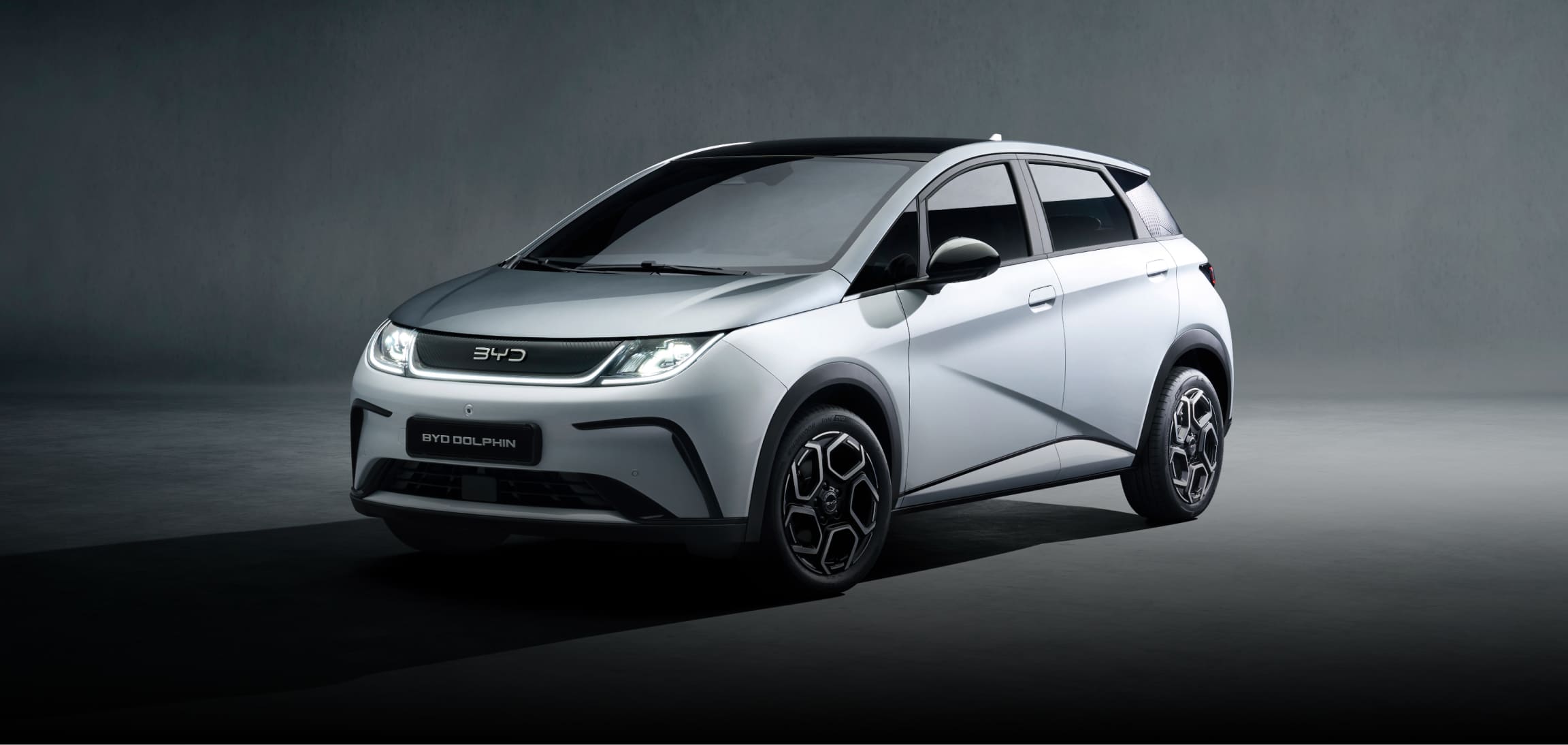
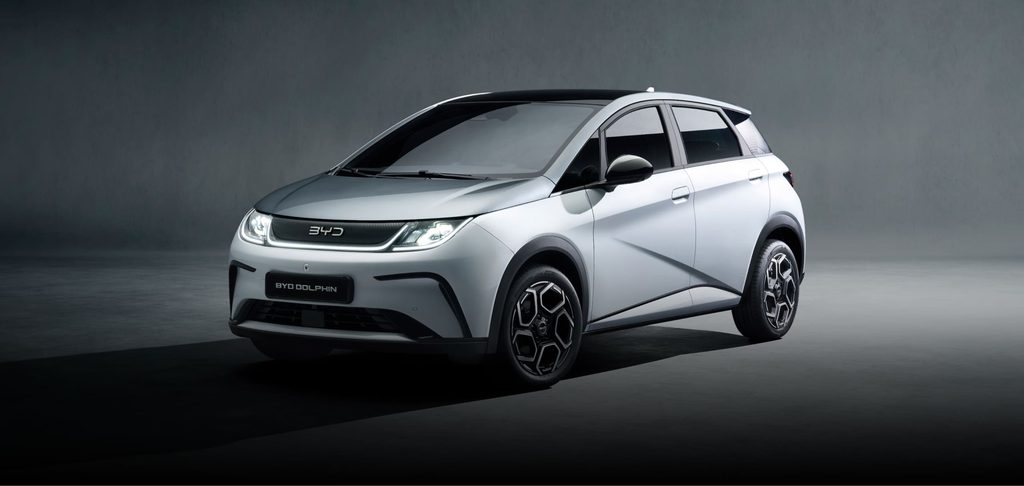
The electric vehicle competition Washington has largely kept outside U.S. showrooms is unfolding in South Korea. BYD, the Chinese battery and automobile giant, registered 11,675 passenger vehicles there in the first half of 2026, an increase of 807.9 percent from a year earlier. That made BYD the country’s fourth largest imported car brand behind Tesla, BMW and Mercedes Benz, an unusual position in the home market of Hyundai Motor and Kia, South Korea’s two dominant automakers.
The difference begins with trade policy. Chinese electric vehicles entering the United States face combined tariffs of 127.5 percent, while South Korea applies an 8 percent tariff. South Korea is therefore providing Tesla, Ford and General Motors with a view of what Chinese competition looks like when price, batteries and manufacturing scale matter more than access controlled at the border. Hyundai and Kia also have extensive sales and manufacturing operations in the United States, which means the pressure developing in their home market will influence product planning and investment decisions in North America.
The challenge is no longer limited to inexpensive compact cars. Zeekr, the premium electric vehicle brand of Geely, the Chinese automobile group that controls Volvo Cars, has begun selling its 7X family sport utility vehicle in South Korea at prices ranging from about $34,000 to $45,000. The company plans to operate 14 showrooms and 11 service centers across the country by the end of 2026. Chinese manufacturers are beginning to pressure established automakers from both ends of the market, using BYD to compete on value and Zeekr to challenge premium brands. That raises questions not only about vehicle margins but also about battery suppliers, software budgets and the amount of capital traditional automakers must spend to defend market share.
BYD’s ascent is particularly striking because South Korea once appeared to be one of the least welcoming markets for a Chinese car company. Hyundai Motor and Kia dominate domestic sales, while Korean consumers have long associated Chinese vehicles with low prices, uncertain quality and limited service support.
BYD entered South Korea’s passenger vehicle market in January 2025 and registered 6,107 vehicles during its first year. It surpassed that total in less than six months in 2026. By the end of June, BYD had moved ahead of Lexus, Volvo, Audi and Toyota in the imported car rankings.
The buyers also challenge the assumption that Chinese electric vehicles appeal mainly to younger consumers looking for the cheapest possible option. Sales data covering 3,968 BYD vehicles registered between 2025 and March 2026 showed that customers in their 40s accounted for 34.6 percent of purchases and those in their 50s accounted for 30.8 percent. Together, those two groups represented about 65 percent of buyers. They are among South Korea’s most experienced car owners and are more likely to compare a new brand with vehicles they have previously owned from Korean, Japanese and European manufacturers.
Price remains BYD’s most visible advantage. The Atto 3 electric sport utility vehicle entered South Korea in 2025 with a starting price of about $21,000 before subsidies and tax benefits. Figures presented at an electric vehicle seminar in Seoul placed it roughly one third below a comparable Kia electric vehicle. BYD has also priced several Korean models below the same vehicles in other overseas markets, treating South Korea as a market where rapid expansion may be more important than immediate profit.
The more important advantage lies behind the sticker price. BYD began as a battery company in Shenzhen in 1995 before expanding into automobiles. It now produces its own batteries, electric motors, power electronics and many other major components, reducing its dependence on outside suppliers. The company stopped making vehicles powered only by gasoline in 2022 and concentrated its automobile business on battery electric vehicles and plug in hybrids. That combination of battery expertise, component production and manufacturing scale gives BYD more room to lower prices without relying entirely on dealer discounts.
South Korea has not left the market completely unprotected. Starting July 1, 2026, BYD became ineligible for national electric vehicle purchase subsidies after failing a new government evaluation that considered technological capability, contributions to the domestic supply chain, environmental policy, service capacity and safety management. BYD was the only established passenger electric vehicle supplier excluded in the latest review.
The company responded by funding its own customer incentives, attempting to preserve the prices buyers would have paid with government support. The strategy turns the second half of 2026 into a more revealing test. BYD’s early growth benefited from aggressive pricing, but its ability to sustain sales without public subsidies will show whether its underlying cost advantage is strong enough to withstand policy measures designed to favor companies that invest more heavily in the local industry.
Zeekr’s arrival will test a different proposition. Geely built the brand to compete through performance, design and digital technology rather than price alone. Its South Korean launch centers on the 7X, a five seat electric sport utility vehicle offered with either a Zeekr developed lithium iron phosphate battery or a larger battery supplied by CATL, the Chinese battery manufacturer that is one of the world’s largest producers of electric vehicle cells.
The expansion suggests Chinese automakers no longer see South Korea merely as a destination for excess production from their domestic market. Success in a country with demanding consumers, strong local manufacturers and established European imports can give Chinese brands credibility as they enter other developed markets.
The competition is also moving beyond batteries and assembly. Speakers at the Seoul seminar pointed to China’s growing capabilities in cameras, lidar, radar, vehicle operating systems and autonomous driving software. South Korea has begun expanding urban testing and data collection, but its autonomous driving industry remains smaller than the programs operated by leading companies in the United States and China. The concern for established automakers is that China’s manufacturing scale is increasingly being converted into software and driving data scale.
BYD still has much to prove. Its Korean volumes remain small beside those of Hyundai and Kia, and its long term position will depend on reliability, repair costs, parts supply and used vehicle values. The loss of government subsidies may also slow demand after the initial surge.
The market has nevertheless moved past the question that surrounded BYD’s arrival. Korean consumers are buying Chinese cars, and another Chinese company is preparing to compete in the premium segment. U.S. tariffs can keep those brands out of American showrooms, but they cannot prevent Chinese costs, batteries and software from reshaping the automakers and supply chains that serve the United States. South Korea is showing that competition before it becomes visible on American roads.