South Korea has laid out a plan to expand renewable energy capacity to 236 gigawatts by 2040, 5.6 times the current level, as semiconductor clusters, data centers and other power intensive projects drive a sharp increase in electricity demand. The proposal turns renewable energy from primarily a climate objective into infrastructure for the country’s next wave of AI and advanced manufacturing investment.
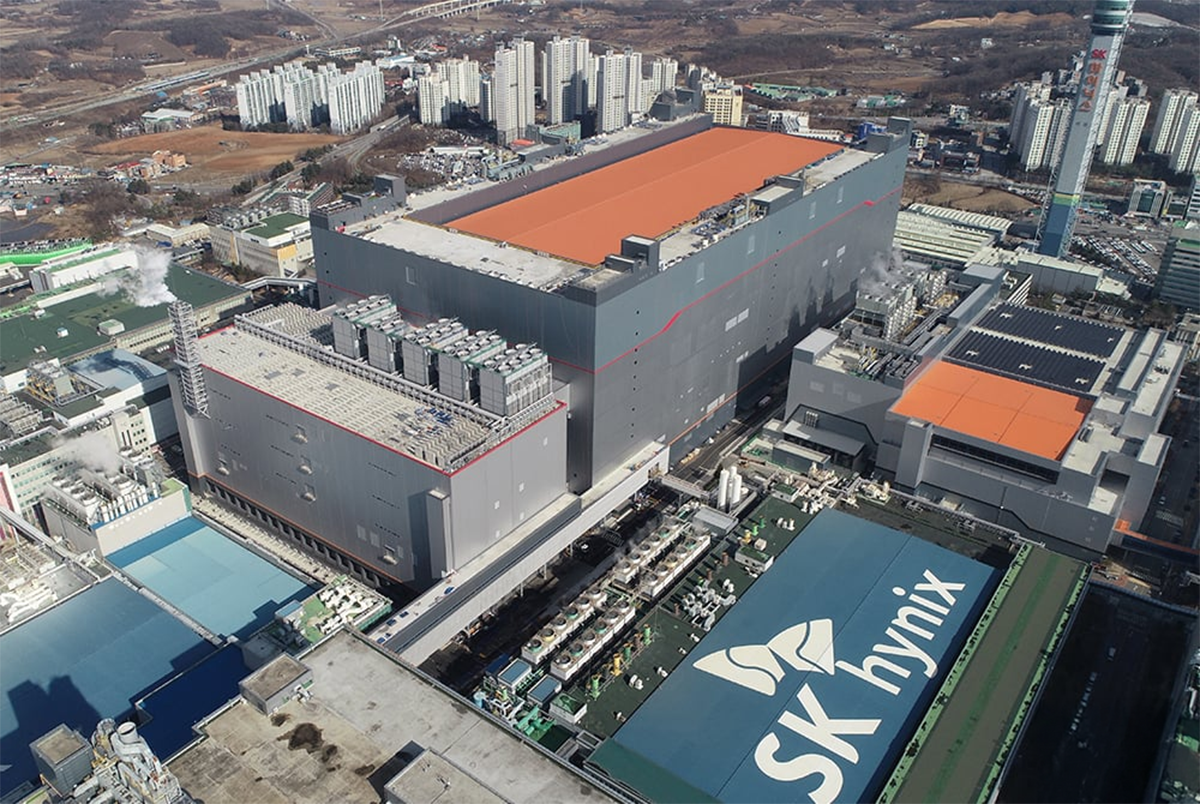
The stakes extend well beyond South Korea. SK Hynix, a South Korean memory chip maker that has taken a leading position in high bandwidth memory for AI accelerators, and Samsung Electronics, a major South Korean producer of memory and logic chips, are critical parts of the hardware supply chain serving U.S. chip designers and cloud computing companies. Both are also expanding semiconductor operations in the U.S., with Samsung investing in Texas and SK Hynix developing advanced packaging and research facilities in Indiana. Korea’s ability to supply electricity to new factories at home will help determine how quickly this wider AI supply chain can expand.
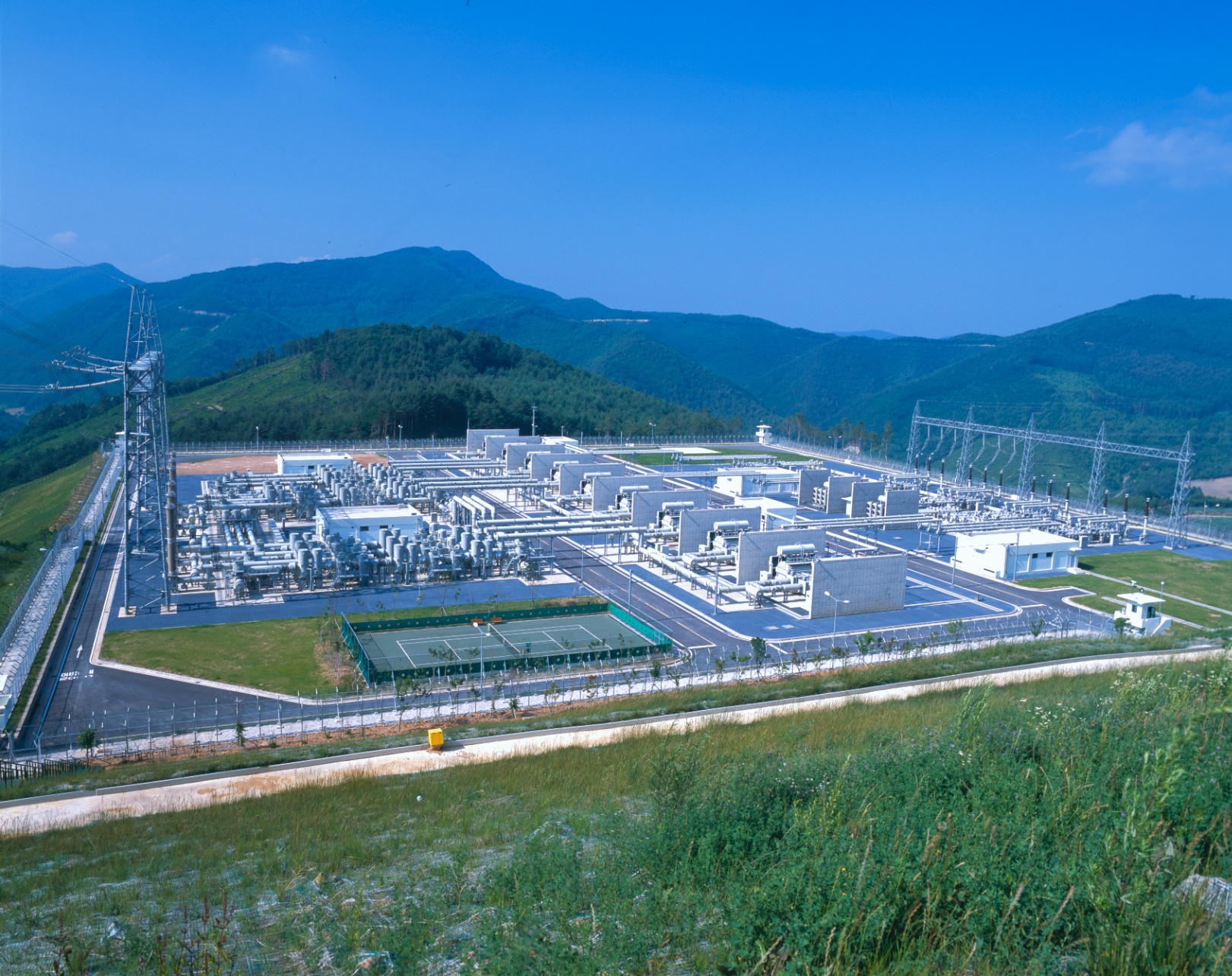
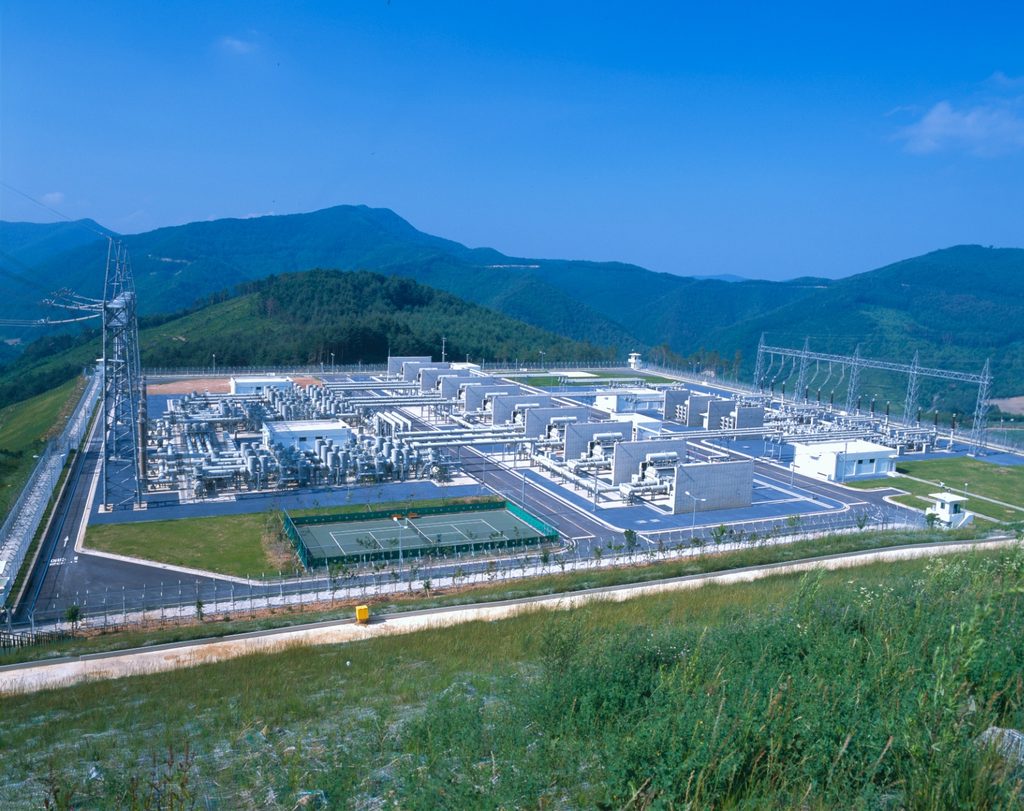
The planned buildout could also increase demand for transmission equipment, grid management systems, large scale energy storage and engineering services supplied by companies based in the U.S. But the investment opportunity depends on whether Korea can turn generation targets into operating projects. Data centers place unusually large electricity loads in concentrated areas, making them difficult to connect even when a country has enough power in total. Adding solar panels and wind turbines alone won’t solve that problem without new transmission lines, storage and other resources needed to maintain reliable supply.
The renewable projections were presented on Aug. 26 at a public forum for South Korea’s 12th Basic Plan for Long Term Electricity Supply and Demand, the government’s main blueprint for future power generation. They are expected to be incorporated into the plan after additional reviews.
Renewable capacity connected to the broader power system is projected to reach 100 GW in 2030, 163 GW in 2035 and 220 GW in 2040. On site solar systems used by businesses and other electricity consumers would add roughly another 16 GW, taking total renewable capacity to 236 GW. South Korea currently has about 42 GW, including approximately 5 GW of on site solar.
The harder number is the construction pace. South Korea would need to add about 13 GW of renewable capacity every year through 2040. The Korea Development Institute, a state funded economic policy research organization, found that the country added an average of only 1.7 GW every six months during the past five and a half years. Reaching the new target would therefore require deployment to accelerate to roughly four times its recent pace.
Solar power would carry most of the expansion. Commercial solar capacity is projected to rise from 31 GW today to 86.7 GW in 2030, 122.2 GW in 2035 and 155.3 GW in 2040.
Cho Sang min, a professor at Tech University of Korea and a member of the committee overseeing the electricity plan, based the solar forecast on an estimated market potential of 271 GW by 2040. The projection assumes the government will concentrate its regulatory and policy resources on speeding development after years of relatively slow construction.
Wind power would also have to grow at a pace South Korea has never sustained. Onshore wind capacity is projected to increase from 2.1 GW today to 15.5 GW by 2040. Offshore wind would make a much larger leap, rising from just 0.4 GW to 45 GW over the same period. On site solar capacity, which stood at 4.6 GW two years ago, is projected to reach 16.3 GW by 2040.
The forecast could still change. South Korea is preparing nationwide limits on local rules that require solar projects to be located a minimum distance from roads and homes.
Those restrictions have reduced the amount of land available for development. Electricity planners said they would recalculate the country’s renewable potential after the new rules take effect in September, but the grid reviews and changes to other generation plans are expected to take long enough that the results will probably be reflected in the 13th electricity plan rather than the current one.
The headline target is 236 GW, but the more consequential figure is 13 GW a year. South Korea must sustain that construction pace while expanding the transmission and storage systems needed to deliver dependable electricity where semiconductor plants and data centers are being built. Success would reinforce the country’s position in the AI memory supply chain and open a sizable power infrastructure market. Failure would leave electricity, rather than chips or investment capital, as a potential constraint on one of the most important manufacturing links in the global AI economy.