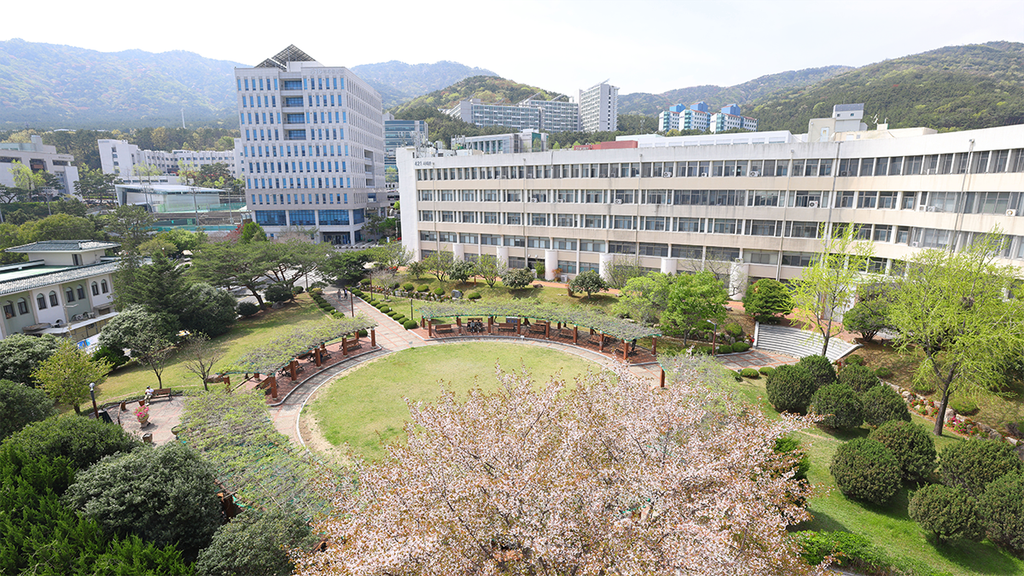
South Korea is preparing to make tuition effectively free for about 60,000 students entering national universities outside the Seoul metropolitan area in 2027, betting that lower costs can keep young people in regions losing population and talent. The plan could strengthen state funded universities, but it is also exposing a harder consequence of the country’s demographic decline as private colleges compete for an ever smaller pool of students.
That makes South Korea’s experiment relevant well beyond its borders. The U.S. is beginning its own demographic squeeze in higher education. The number of American high school graduates peaked in 2025 and is projected to decline 13% by 2041, according to the Western Interstate Commission for Higher Education. South Korea, further along in the battle against a shrinking student population, is providing an early look at what happens when governments respond by directing more public money toward selected universities rather than allowing enrollment losses to fall evenly across the system.
The stakes also extend beyond college campuses. South Korea is increasingly treating regional universities as part of its economic infrastructure, linking public investment in flagship national universities with the training of workers needed by local companies and strategic industries. The Education Ministry has outlined plans to build stronger connections among universities, regional employers and industry, including programs designed around skills demanded by companies. That means changes in which universities attract students and survive could eventually affect the labor pools available to domestic and multinational companies operating across South Korea.
The free tuition proposal is part of that broader effort to reduce the economic dominance of Seoul and keep more young people in other parts of the country. The government and the ruling Democratic Party of Korea discussed full tuition support for regional national universities during negotiations over the 2027 budget on Aug. 25.
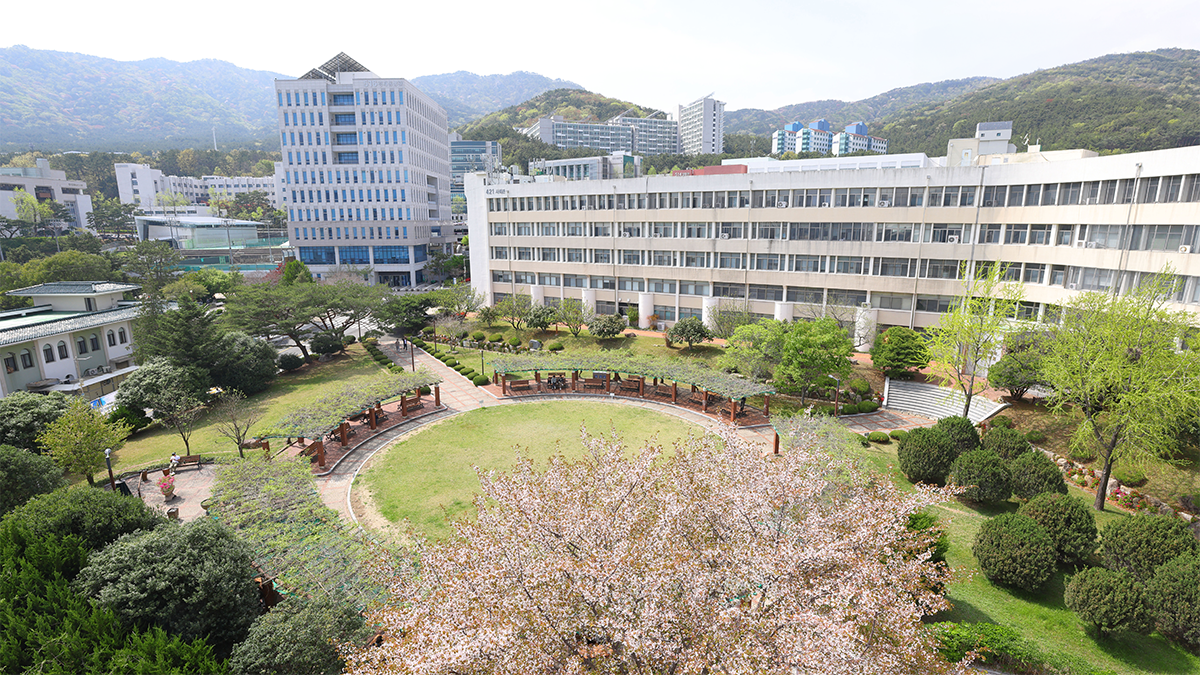
Earlier in August, the Education Ministry proposed a regional balance scholarship covering students at 30 national universities outside greater Seoul. The program would begin with roughly 60,000 incoming students in the 2027 academic year and later expand to students in their second through fourth years.
The government has not finalized the program, but the potential effect on university competition is already clear. Students weighing a national university in their home region against a private university in or around Seoul would suddenly have a large financial incentive to remain closer to home. Regional national universities would also gain an advantage over private colleges operating in the same cities.
National universities in Gwangju and South Jeolla, in southwestern South Korea, have generally welcomed the proposal while holding off on formal positions until the details are settled.
Private universities see a considerably greater threat. Many have already been squeezed by three forces at once, fewer college age students, the persistent preference among young Koreans for universities in the Seoul metropolitan area and rising labor and operating costs.
The Korean Professors Union has warned that limiting free tuition to national universities could concentrate an even larger share of students in those institutions. Regional private universities and junior colleges, many of which are already struggling financially, could then face deeper enrollment losses.
That concern is particularly acute because some private universities have recently raised tuition after years of holding rates steady. School officials say higher prices and personnel costs made increases increasingly difficult to avoid. National universities that kept tuition frozen, however, would now receive government support allowing their students to pay virtually nothing.
The distinction is important. Private universities are expected to receive expanded regional talent scholarships for selected high performing students, while the proposed program for national universities would cover the entire incoming class. Private institutions argue that they would therefore enter each recruiting season with a structural disadvantage before academic programs, facilities or employment prospects are even compared.
The conflict also exposes a tension inside South Korea’s attempt to revive its regions. The government wants stronger universities outside Seoul because they can keep young people in local communities and provide workers to regional employers. But concentrating resources on national universities could weaken private institutions that perform many of the same functions.
In Gwangju and South Jeolla, private university officials say they support the goal of keeping talent in the region but fear the government is effectively choosing which institutions will have the financial strength to compete for that talent. A policy intended to rescue regional higher education, they argue, could instead accelerate consolidation within it.
Free tuition can change where students enroll. It cannot change how many students exist. South Korea’s government is therefore confronting a problem that will become increasingly familiar to countries with aging populations, including the U.S. As each incoming class gets smaller, higher education policy becomes less about expanding universities and more about deciding which institutions, local labor markets and college communities will be strong enough to survive.