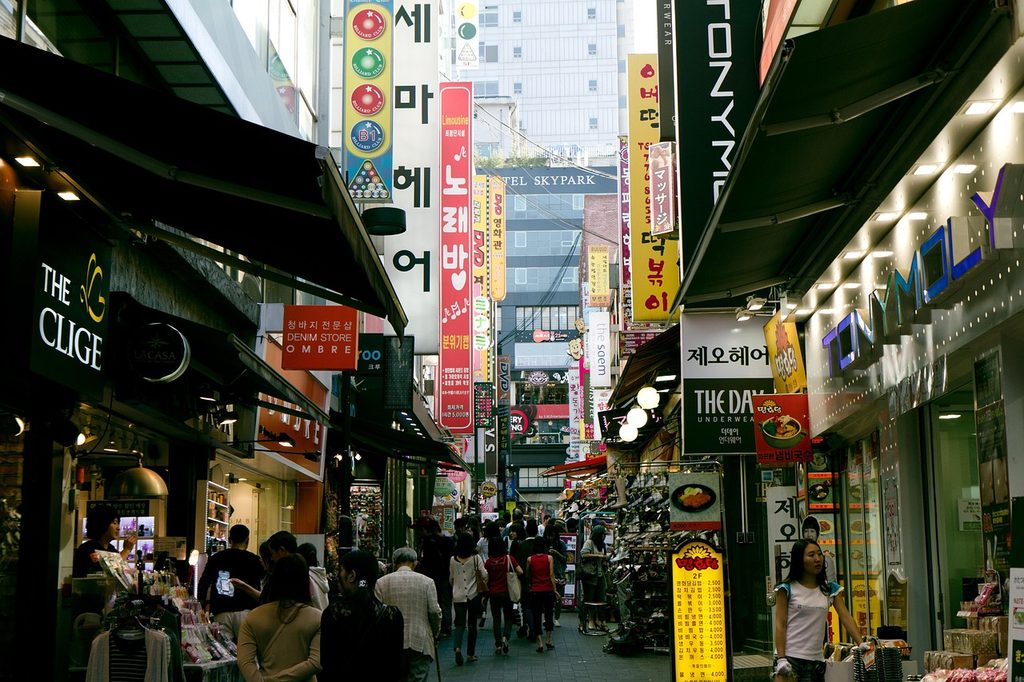
South Korea is using one of the year’s biggest waves of travel and shopping to push more consumer spending beyond Seoul, offering discounted government backed shopping vouchers, subsidized hotel stays, cheaper train tickets and four days of free highway travel during the country’s Chuseok holiday.
Chuseok is one of South Korea’s two biggest traditional holidays, a harvest celebration when families travel across the country to reunite and many people use the extended break for domestic trips. That combination of homecoming, shopping, dining and travel creates a rare period when millions of consumers are moving and spending at the same time. The government has repeatedly used those holiday spending periods as an economic policy window. During Lunar New Year earlier this year, it also waived highway tolls, discounted selected high speed rail tickets and opened major cultural sites for free.
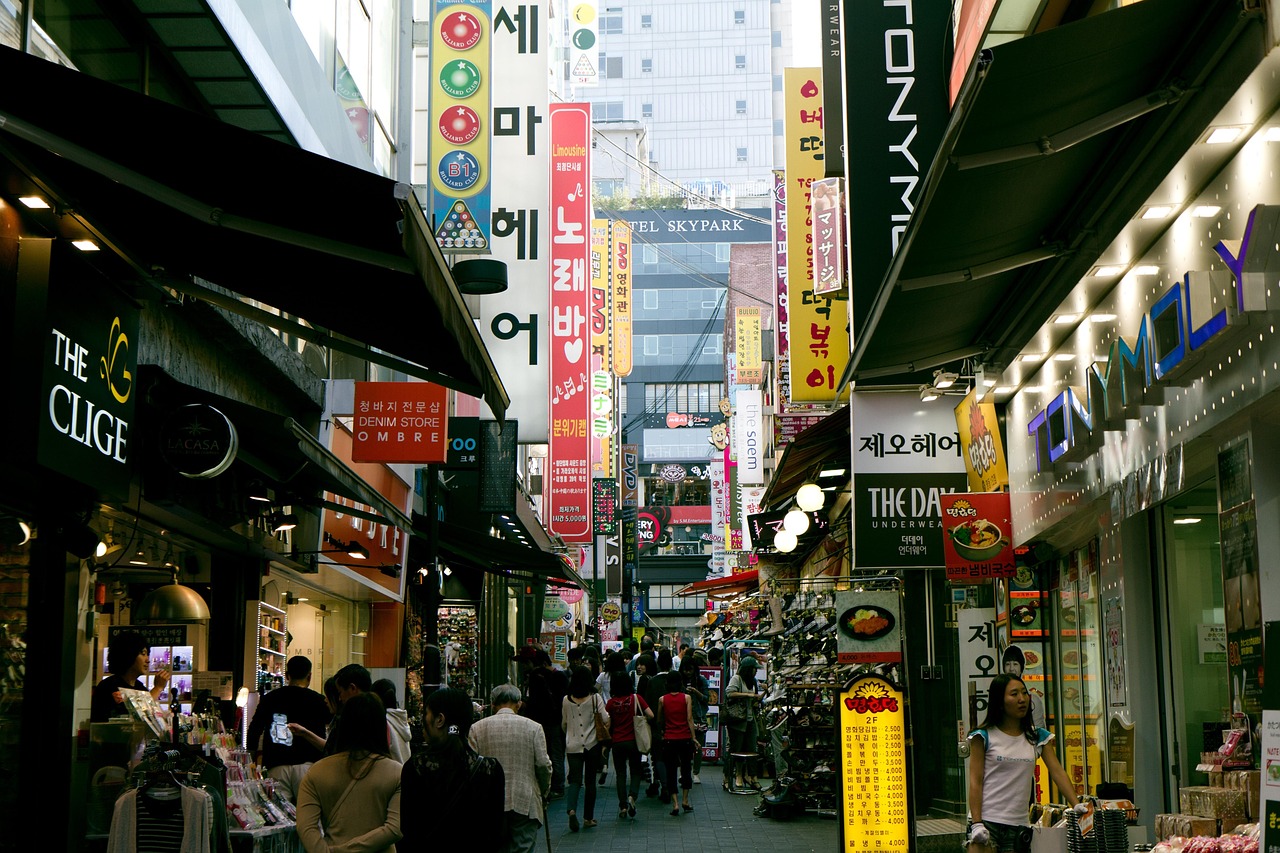
That makes the size of any individual coupon less important than where the government is trying to send the money. South Korea is best known overseas for export industries such as semiconductors and automobiles, but the Chuseok package puts the focus on a different part of the economy. The incentives are designed to move consumers toward traditional markets, smaller merchants, provincial hotels and rural communities rather than simply generate more spending in the Seoul metropolitan area. Companies and investors exposed to Korea’s consumer, travel and payments markets can use the holiday period as a concentrated read on how households respond when the government lowers the cost of spending outside the capital.
The government announced the package Tuesday as part of a broader effort to extend a recovery in consumption into regional economies. The measures combine direct shopping incentives with travel subsidies and transportation discounts, using the holiday migration to channel demand toward businesses and communities that policymakers want to support.
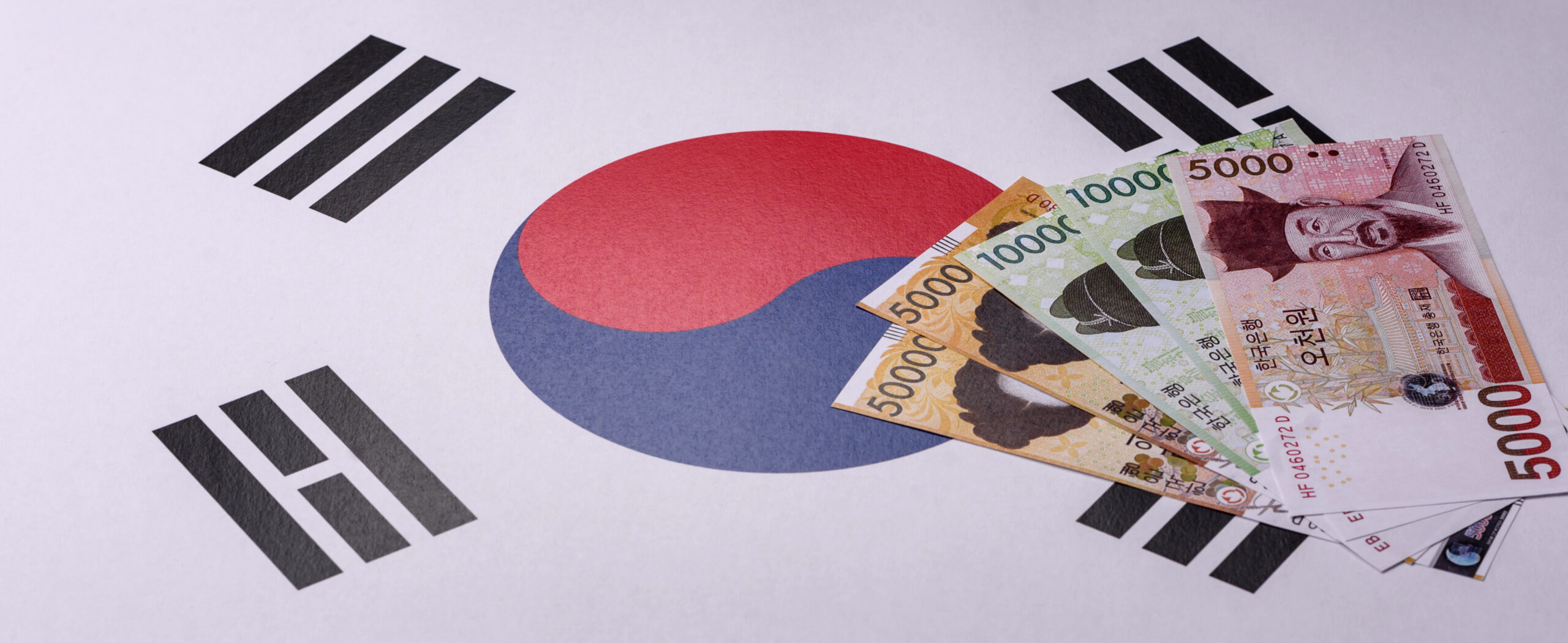
One of the main tools is the digital Onnuri gift certificate, a government backed voucher primarily used at traditional markets and participating small businesses.
Consumers can normally buy up to $730 of the vouchers a month at a 7% discount. From Sept. 16 through Sept. 20, the government will allow another $145 to be purchased at a 10% discount, raising the temporary maximum to $875.
Local governments will also work with the central government to increase discounts and purchasing limits for regional gift certificates during Chuseok.
The structure matters because those vouchers are intended to keep more holiday spending with traditional markets and neighborhood businesses rather than simply subsidize purchases across the broader retail sector.
The same approach extends to tourism.
Beginning Sept. 22, the government will distribute 80,000 lodging coupons exclusively for travel outside the Seoul metropolitan area. Accommodation costing at least $50 will qualify for a $21 discount, while stays below $50 will receive $14 off. Travelers heading to islands can receive discounts of as much as $36.
The incentives become larger in rural communities facing population decline. Visitors to designated agricultural and fishing regions can receive 50% of eligible travel spending back in regional gift certificates, up to $70 a person. Travelers between 19 and 34 will receive a 70% reimbursement, capped at $101.
The policy effectively uses holiday travelers as a source of temporary demand for areas struggling to attract consumers year round. Instead of paying travelers simply to take a vacation, the government is tying much of the assistance to destinations outside the country’s dominant metropolitan economy.
Employees at small and midsize companies and small businesses will receive additional support through a government vacation program. Participants can receive 50% discounts, up to $21, on lodging, travel packages, admission tickets, high speed rail and rental cars. Another 10,000 workers based outside the Seoul area will be added during the Chuseok period.
Transportation policy is being used to reinforce the same movement of consumers.
KTX fares are falling by an average of 10% following the integration of Korea Railroad Corp., South Korea’s state railway operator known as KORAIL, and high speed rail operator SR. The integration took effect Sept. 1 and also increased the number of available high speed rail seats.
From Sept. 23 through Sept. 27, selected trains will receive additional discounts of 30% to 50%, including services traveling against the main direction of the holiday migration.
Groups of four will also be able to buy fixed price tickets costing $71 on KTX or $35 on KTX Eum regardless of travel distance.
The government will go further on the roads. Highway tolls across South Korea will be waived from Sept. 24 through Sept. 27, removing one of the direct costs of driving to hometowns or regional destinations during the peak holiday period.
Cultural attractions are being folded into the effort as another reason to travel.
South Korea’s four major royal palaces, Jongmyo Shrine, Joseon royal tombs and the National Museum of Modern and Contemporary Art will offer free admission from Sept. 24 through Sept. 27. National recreation forests will waive admission charges from Sept. 24 through Sept. 26, while 220,000 performing arts discount vouchers will be distributed through Nov. 30.
The government plans to keep the spending campaign running after families return home.
From Oct. 29 through Nov. 15, ministries will jointly hold the Korea Grand Festival, a nationwide sales event covering automobiles, appliances, clothing and everyday goods. The schedule extends the consumption push beyond the short Chuseok travel surge into the fall shopping season.
Officials are also trying to prevent businesses from capturing the additional demand simply by raising prices.
Hotels and restaurants that fail to display or honor listed prices, along with taxi drivers found charging improper fares, will face tougher penalties. A first violation can result in an immediate business or license suspension rather than an initial warning or corrective order.
Rules covering lodging businesses have already been revised, and the government plans to change related regulations for restaurants and taxis this month. Officials are also considering requiring lodging operators to report maximum seasonal rates to local governments in advance.
The rest of the package reflects the logistical burden created when much of the country is traveling at once.
Government ministries and local authorities will maintain a 24 hour safety management system during the holiday, with additional inspections covering roads, railways, aviation and maritime transportation. Fire departments nationwide will operate under a special alert from Sept. 23 through Sept. 28.
Emergency medical centers will remain active around the clock, while information on hospitals, clinics and pharmacies that remain open will be provided through government services. South Korea also plans to expand a pilot system for coordinating emergency patient transfers nationwide before the holiday.
Authorities will increase inspections of workplaces vulnerable to heat related illnesses and suffocation accidents and introduce measures intended to prevent delivery workers from being overworked as parcel volumes rise around Chuseok.
Disaster assistance will also be accelerated before the holiday. Residents whose homes, farms, livestock operations or small businesses were damaged by heavy rainfall in July are due to receive $2.3 million in disaster relief, while fishing communities affected by unusually high water temperatures will be able to receive assistance for confirmed initial losses even if further damage is still occurring.
Care services for older people living alone, children at risk of missing meals, people with disabilities and people experiencing homelessness will continue through the holiday.
The result is a holiday policy that goes well beyond making travel cheaper. By attaching discounts to traditional markets, provincial lodging, rural destinations and transportation, South Korea is trying to use a few days of unusually intense consumer movement to influence where household money lands. How much of that spending reaches businesses outside Seoul will provide a useful measure of whether a temporary holiday rush can produce a broader lift for the domestic economy.