South Korea’s exports are booming. Its factories are benefiting from strong global demand for semiconductors and other technology products, and August exports surged 68.7% from a year earlier, extending their growth streak to 15 months. Yet the prosperity flowing through one of the world’s most export dependent economies has done little to eliminate a problem that money has repeatedly struggled to solve. South Koreans still are not having nearly enough children.
The country’s fertility rate did rise to 0.80 child per woman in 2025 from 0.75 a year earlier, and births increased for a second consecutive year. That is a notable reversal after years of decline, but the rate remains extraordinarily low for an advanced economy. South Korea is now responding with a familiar tool on a larger and simpler scale by putting more cash directly into marriage, childbirth and raising children.
The disconnect is worth watching outside Korea because the country is a major link in global supply chains for semiconductors, automobiles and batteries. Companies can sell more chips and cars today, but a prolonged shortage of young people ultimately means fewer workers and consumers tomorrow. South Korea’s working age population has already begun shrinking, making the country an unusually advanced example of a demographic problem confronting many wealthy economies.
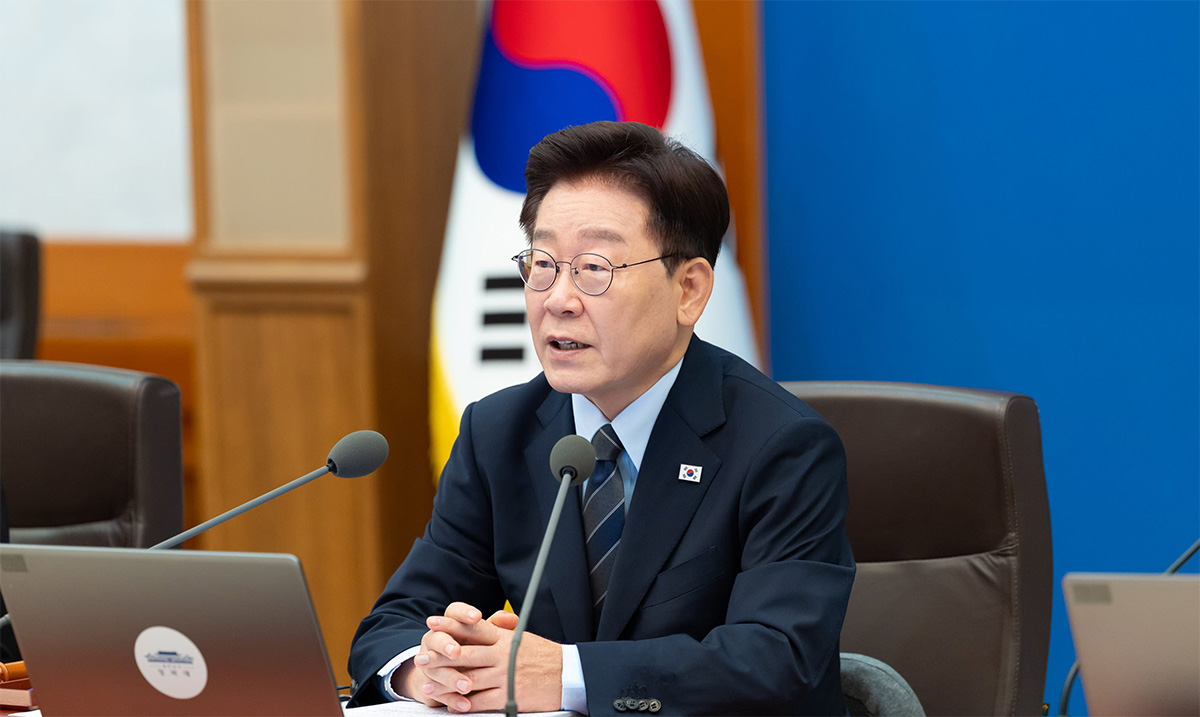
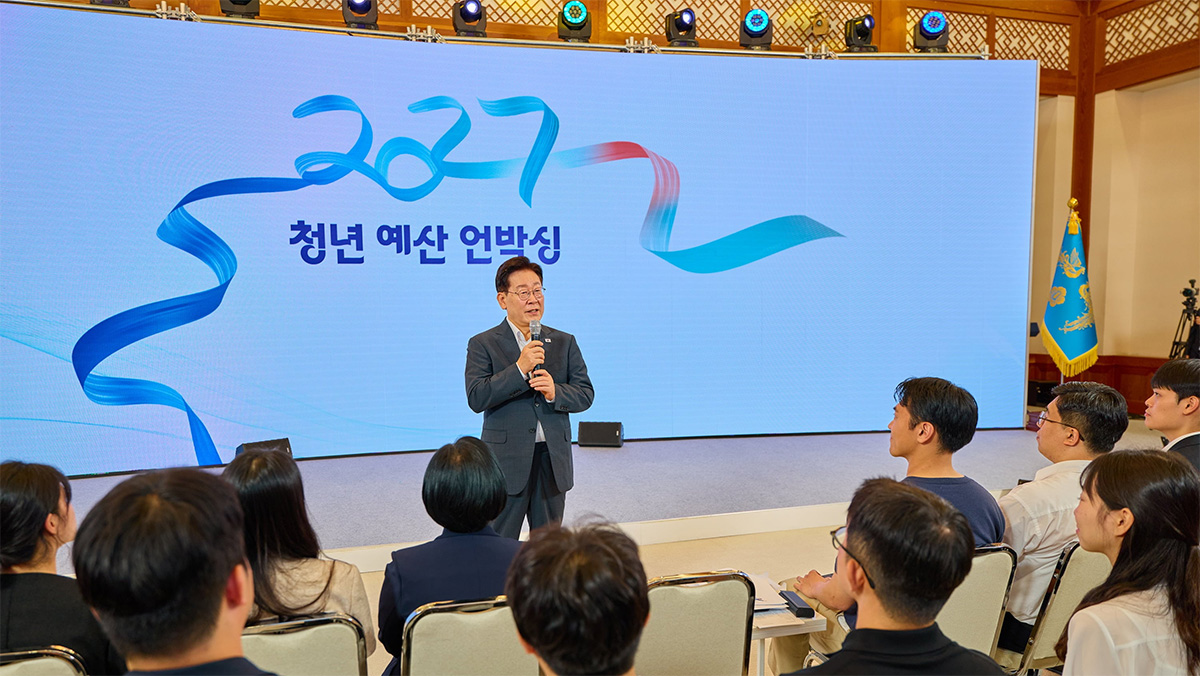
The government now plans to spend $4.4 billion next year on marriage, childbirth and child rearing support, up from $3.8 billion this year. The package was approved as part of the 2027 budget proposal at a Cabinet meeting chaired by President Lee Jae Myung on Sept. 1.
At the center of the overhaul is an effort to replace a maze of tax credits, vouchers and allowances with three programs that people can more easily understand and use.
Couples who officially register their marriage will receive a one time payment of $730. Families that have a baby will receive thousands of dollars more, while monthly payments will continue as the child grows.
The marriage payment replaces an existing tax credit that allows each spouse to claim as much as $360. The government said the tax based system can leave lower income couples with little or no tax liability unable to receive the full benefit.
The new $730 payment will instead be provided directly to couples once in their lifetime. It is scheduled to begin in the second half of 2027 and will apply retroactively to marriages registered from January.
Childbirth benefits will be substantially larger.
The government plans to combine existing childbirth and adoption tax credits, a benefit provided when a baby is born and parental payments into a single childbirth grant.
Families will receive the money in four installments during the first year after birth.
A family in a standard area will receive $7,270 for a first child, $8,720 for a second and $10,900 for a third or subsequent child.
The payments will be higher in areas selected for additional regional support. Those families will receive $10,900 for a first child, $12,300 for a second and as much as $14,500 for a third or subsequent child.
The larger regional payments add another dimension to the policy. South Korea is struggling not only with low birthrates but also with an increasingly uneven distribution of young people. Seoul and other major urban centers continue to attract younger residents while some less populated regions face shrinking workforces and weakening local economies.
The government has not yet determined exactly which areas will qualify for the additional payments. Rather than simply dividing the country between the Seoul metropolitan area and everywhere else, officials will use a regional priority index. Detailed criteria are expected by the end of October.
The government is also expanding support after the first year of a child’s life.
An existing child allowance will become a basic child allowance available from birth through age 12. Families in standard areas will receive $145 a month for each child, while those in designated regional priority areas will receive $220.
Households caring for children ages 0 and 1 at home will receive additional assistance, bringing their monthly payments to $360 in standard areas and $435 in priority areas.
Over the first two years, those benefits will amount to $8,720 in standard areas and $10,400 in priority areas. From ages 2 through 12, families could receive another $19,100 or $28,700 depending on where they live.
Put together, the numbers become substantial.
The government estimates that total benefits connected to marriage, childbirth and raising one child will increase from roughly $28,700 to $31,200 under the current system to between $35,900 and $54,500 after the overhaul.
A family with a first child in a standard area could receive $35,900, compared with $26,800 today. The total would rise to $37,300 for a second child and $39,500 for a third or subsequent child.
In designated regional priority areas, total benefits could reach $50,900 for a first child, $52,300 for a second and $54,500 for a third or subsequent child.
The government will introduce temporary measures for babies born before the new system begins in July 2027. Families with children born from January through June will receive larger payments under the existing birth benefit to prevent them from losing support during the transition.
Officials say part of the problem with the current system is not simply how much the government spends but how difficult the programs have become to navigate. Marriage tax credits, childbirth tax credits, parental benefits and child allowances have accumulated separately, leaving some young people unsure of what they can receive.
The new system attempts to make that proposition much clearer. Get married, have a child and raise that child, and the government will provide increasingly visible cash support at each stage.
What remains uncertain is whether clearer and larger payments can change decisions that extend well beyond the immediate cost of having a baby.
South Korea’s recent increase in births offers the government a more encouraging starting point than it had several years ago. But a fertility rate of 0.80 still leaves a wide gap between the country’s current demographic trajectory and the workforce needed to sustain its economy over the long term.
That is the contradiction facing South Korea as its exports surge. The country has become richer by selling some of the products most important to the modern global economy. Now it is committing more of its resources to a much harder challenge at home, finding a way to turn economic success into enough families and children to sustain that economy in the decades ahead.