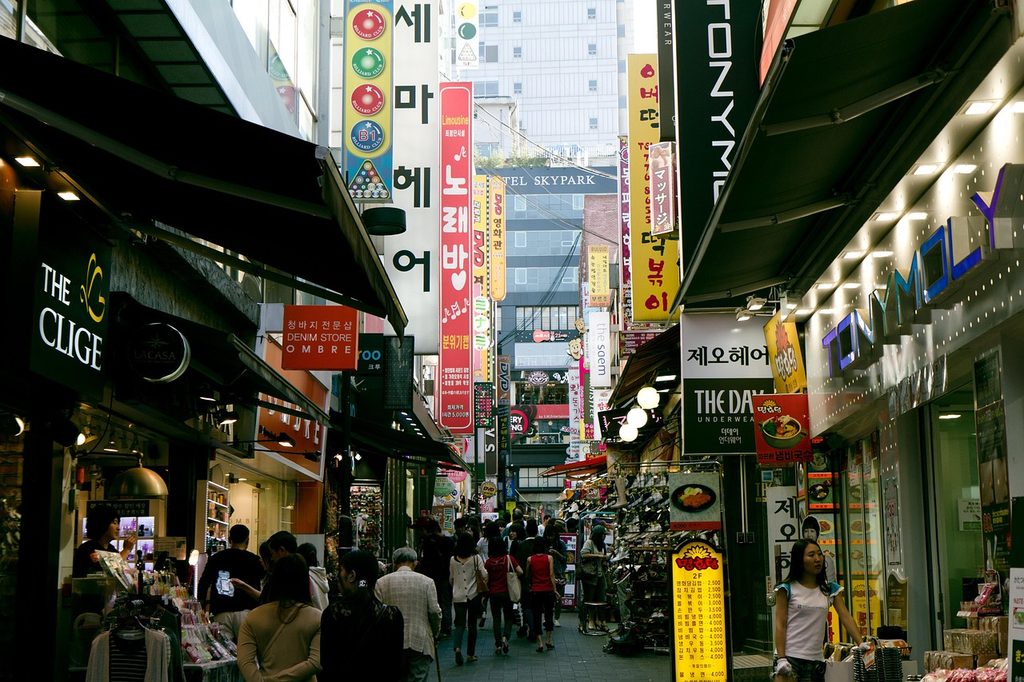
South Korea has become one of the world’s hottest travel destinations, riding a wave of international enthusiasm for its music, television shows and food. Foreign visitors are arriving in record numbers and spending billions of dollars. Yet behind the boom, complaints about excessive charges, poor service and inadequate facilities are exposing weaknesses in the country’s tourism industry.
An American tourist visiting South Korea was charged an unexpected $11 at a restaurant for tableware and side dishes. A Japanese visitor faced a far larger surprise after paying $360 for a taxi ride from Seoul’s Myeongdong shopping district to Gimpo International Airport, a journey that normally costs about $22. An investigation found that the driver had not activated the meter and had manually entered the inflated fare.
Such incidents pose a challenge to South Korea’s efforts to turn its cultural popularity into a sustainable tourism business. Travelers attracted by K-pop and Korean dramas may be willing to spend money experiencing the country, but unreliable pricing and poor services can undermine that appeal. The stakes extend beyond individual vacations to an expanding market for hotels, restaurants, retailers and other businesses benefiting from international tourism.
South Korea welcomed 15.04 million foreign visitors during the first eight months of 2026, a 21.6% increase from a year earlier, according to the Korea Tourism Organization, the country’s government-backed tourism promotion agency. Annual arrivals are expected to surpass 22 million for the first time, while foreign visitors’ credit card spending jumped 48.5% to $10 billion during the same eight months.
But the number of reported problems is also climbing.
The Korea Tourism Data Lab recorded 2,057 complaints from international visitors between January and September, exceeding the 1,593 reported throughout 2025 and roughly doubling the 1,023 recorded in all of 2019, before the pandemic. The increase does not necessarily mean tourists are more likely to encounter problems, given the growth in visitor numbers. It does mean more complaints are reaching authorities.
Accommodation providers accounted for the largest number of complaints, followed by shopping establishments, taxis, airports, airlines and restaurants. Reported incidents included hotels demanding additional payments for confirmed reservations, properties canceling bookings to resell rooms at higher prices and taxi drivers requesting payment for fares already settled electronically.
Complaints involving discriminatory treatment have also surfaced, including cases in which foreign customers were denied restaurant service while Korean customers were admitted.
The problems are becoming more visible as the tourism boom changes where visitors spend their time and money.
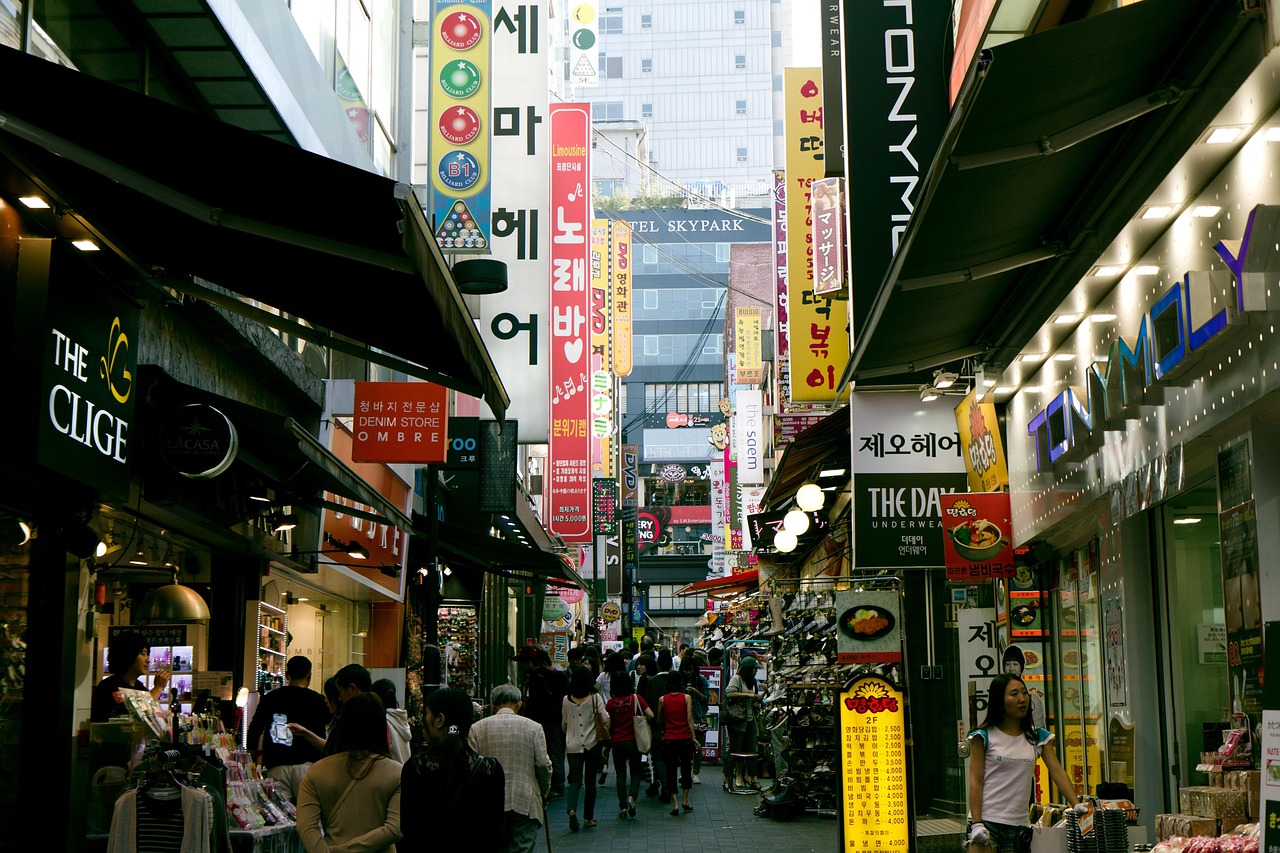
South Korea’s appeal increasingly extends beyond royal palaces, historic landmarks and other conventional attractions. Tourists are seeking out neighborhood cafes, local restaurants and shopping districts associated with contemporary Korean culture.
A 2025 tourism survey found that 61.7% of prospective visitors considered food experiences when planning their trips, while 57.3% considered shopping. Interest in locations associated with K-pop stars and Korean celebrities rose from 14.2% in 2024 to 17.1% in 2025, even as interest in palaces and historic sites declined.
That shift is spreading tourism spending into local businesses, but many neighborhoods lack facilities designed for international visitors.
In Seoul, even locating a public restroom can be difficult. The city had 5,703 public restrooms as of January 2026, compared with approximately 4,200 in Tokyo. Yet many facilities are missing from Google Maps, lack English signage or are secured by electronic locks, making them difficult for foreign travelers to locate or access.
A shortage of public garbage bins and designated eating areas creates additional problems in popular commercial neighborhoods such as Seongsu-dong, where visitors increasingly line up outside local food shops. Travelers with dietary restrictions also face difficulties finding suitable options, including halal restaurants.
The shortcomings extend to South Korea’s major cultural institutions. The National Museum of Korea attracted approximately 230,000 foreign visitors in 2025, just 3.5% of its total attendance. At some affiliated regional museums, foreign visitors accounted for less than 1%, with limited language assistance among the obstacles to attracting international audiences.
Despite the industry’s rapid expansion, South Korea has yet to match neighboring Japan in attracting repeat visitors.
According to the Korea Culture and Tourism Institute, 56.5% of international tourists return to South Korea, eight percentage points below Japan’s rate. The average length of stay also fell from 7.8 days in 2023 to 6.5 days in 2025, according to figures provided by the Korea Tourism Organization to South Korea’s National Assembly.
Neither figure establishes that poor service is causing visitors to shorten their trips or avoid returning. Both, however, point to an important challenge as South Korea seeks to build a larger tourism economy.
The country has already demonstrated its ability to turn cultural exports into international travel demand. The next test is whether that popularity can translate into longer visits, repeat spending and sustained growth for the businesses serving those travelers.
With visitor arrivals approaching 22 million a year, South Korea’s tourism industry faces a problem that global popularity alone cannot solve. Bringing millions of people into the country is one achievement. Giving them enough reason to come back is another.