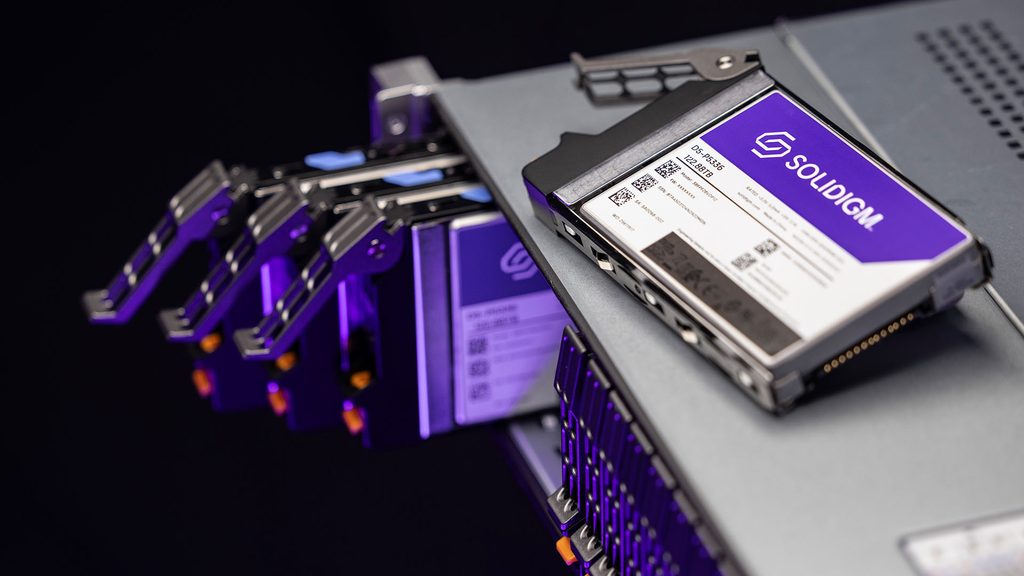
An American semiconductor company may need billions of dollars to expand manufacturing in the United States as Washington tightens restrictions on chip production in China. But its potential route to raising that money through a U.S. stock market listing is encountering resistance from regulators and shareholders in South Korea.
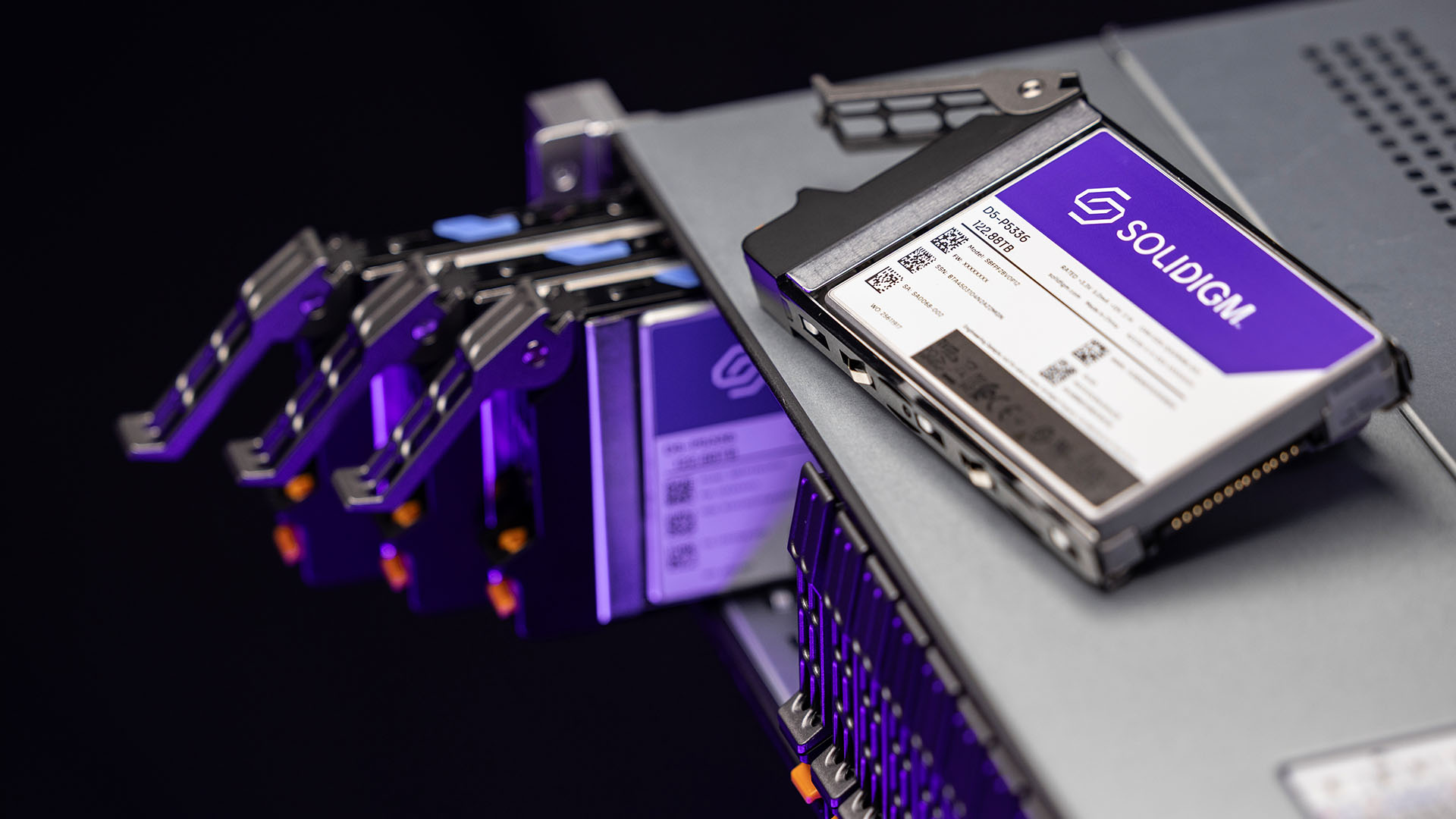
The company is Solidigm, the American memory chip business controlled by SK Hynix, one of South Korea’s largest semiconductor manufacturers. Solidigm depends on a NAND flash memory plant in Dalian, China, leaving its operations exposed to American restrictions on semiconductor manufacturing equipment. A potential U.S. initial public offering could help finance new production facilities while giving American investors an opportunity to buy shares directly in the business.
The problem is that Solidigm’s value already belongs to SK Hynix shareholders. Selling part of the subsidiary to outside investors could help pay for expansion, but it would also reduce the parent company’s ownership of future profits. That tradeoff has triggered political and regulatory opposition in Seoul before SK Hynix has announced a formal listing plan.
On October 19, Lee Chan-jin, governor of South Korea’s Financial Supervisory Service, told lawmakers that both his agency and the Financial Services Commission viewed the potential transaction as a dual listing. Concerns have also reportedly emerged within the presidential office.
The objection centers on the possibility that a separately traded Solidigm would weaken the investment case for owning SK Hynix. Investors buying shares in the parent company already gain indirect exposure to Solidigm’s business. A separate IPO would allow investors to purchase Solidigm shares directly, potentially prompting the market to reassess the value of the parent’s remaining ownership.
The Korea Corporate Governance Forum, a South Korean shareholder advocacy group, has urged SK Hynix’s board to abandon the potential offering. The organization argues that retaining full ownership would better protect existing shareholders than selling part of the business.
South Korean regulators, however, have limited authority to prevent an American subsidiary from listing in the United States. Solidigm’s offering would fall outside the Korea Exchange’s domestic listing review process.
Instead, the government could scrutinize decisions made by SK Hynix’s board.
Rules and guidelines introduced in August require South Korean listed companies pursuing subsidiary offerings, including overseas listings, to assess the consequences for existing shareholders and consider protective measures. Boards must also communicate with investors, formally approve relevant decisions and disclose them.
That means SK Hynix could face questions over whether the capital raised from a Solidigm IPO would generate enough value to justify the dilution of existing shareholders’ interests.
The financial argument for an offering is closely tied to Solidigm’s manufacturing position in China.
In 2025, Washington revoked the Validated End User status granted to the Chinese operations of SK Hynix and Samsung Electronics, South Korea’s largest electronics manufacturer. The designation had previously allowed certain American semiconductor manufacturing equipment to be shipped to their factories without individual export licenses.
Both companies received annual authorizations for equipment shipments in 2026, but future approvals remain uncertain. Changes in licensing requirements could complicate factory upgrades, equipment purchases and long term investment planning.
The restrictions have increased pressure on Solidigm to establish manufacturing capacity in the United States, where building new facilities would require substantial investment. Raising money through an IPO could provide an alternative to relying entirely on SK Hynix to finance that expansion.
Some industry observers argue that Seoul’s opposition is premature because neither the size nor the structure of a potential offering has been disclosed. Without knowing how much capital Solidigm could raise or how the proceeds would be invested, it is difficult to determine whether existing shareholders would ultimately benefit or lose.
Bloomberg Intelligence recently argued that the financial advantages of listing Solidigm could outweigh concerns about SK Hynix’s corporate governance.
Its analysis estimated that a transaction giving outside investors a 10% stake in Solidigm would reduce SK Hynix’s earnings per share by approximately 1%. The research suggested that additional investment in manufacturing capacity and research could support future earnings growth sufficient to offset the dilution.
The calculation presents an alternative to the argument advanced by shareholders opposing the IPO. Rather than preserving complete ownership of Solidigm while funding its expansion internally, SK Hynix could sell a minority stake and use the additional capital to support growth.
But the potential benefits come with risks.
SK Hynix shareholders would receive a smaller indirect share of Solidigm’s future profits. Investors could also assign a lower valuation to the parent’s remaining stake once Solidigm becomes independently traded. If the expansion fails to deliver sufficient returns, the dilution could leave existing shareholders worse off.
The dispute therefore turns on how much additional value Solidigm could create with outside capital and whether that value would compensate investors for giving up part of their ownership.
SK Hynix may provide further insight into those calculations during its third quarter earnings conference call on October 28.
In August, the company approved a share repurchase and cancellation program worth roughly $30 billion and pledged to provide additional details about shareholder returns when it reported third quarter results.
Investors will be watching for any explanation of Solidigm’s financing requirements, the possible benefits of a public offering and the measures SK Hynix might adopt to protect its shareholders. Whether the company will announce specific protections associated with an IPO remains unclear.
SK Hynix has said it is considering various financing options but has reached no final decision. The company maintains that improving long term corporate value and shareholder returns will guide its choices.
For now, the potential offering remains caught between two competing priorities. Washington’s semiconductor restrictions are increasing the importance of manufacturing investment outside China, while South Korean regulators are demanding assurances that raising capital abroad will not come at the expense of shareholders at home.
How SK Hynix resolves that conflict could determine whether Solidigm turns to American public markets to help finance its next phase of growth.