
A deepening selloff in U.S. technology stocks is sending shock waves through global financial markets, prompting South Korea to prepare its first stock market stabilization fund deployment since the 2008 financial crisis.
The turmoil reflects growing investor doubts about whether the massive spending on artificial intelligence will generate sufficient returns. Concerns about higher U.S. interest rates and tighter semiconductor export restrictions have added to the pressure, raising questions about the durability of a technology investment boom that has helped drive global stock markets higher.
The fallout is particularly visible in South Korea, home to Samsung Electronics and SK Hynix, two of the world’s largest memory chip manufacturers and major suppliers to the AI industry. Their semiconductors are essential to the data centers being built by U.S. technology companies, making the Korean market closely connected to the expansion of AI infrastructure.
Wall Street’s technology selloff accelerated on Thursday, November 19, when the Nasdaq Composite fell 2.3%. The following day, South Korea’s benchmark KOSPI index plunged 5.21%, losing 267.93 points to close at 4,869.96. The decline pushed the index below the 5,000 mark after just three trading sessions above that level.
U.S. stocks suffered even steeper losses later Friday. The Nasdaq tumbled 5.28%, the S&P 500 dropped 3.70% and the Dow Jones Industrial Average fell 1.93%. The declines pushed the S&P 500 and Dow more than 10% below their recent highs, placing both indexes in correction territory.
The selling was especially severe among semiconductor companies. Nvidia, the leading U.S. supplier of AI processors, lost nearly 14% on Friday as investors reassessed the valuations of companies tied to the AI spending boom. The broader downturn also reflected concerns about inflation, borrowing costs and the financing of increasingly expensive data center projects.
The market turbulence prompted South Korean authorities to convene an emergency meeting on Sunday, November 22, to discuss measures aimed at preventing further instability.
Deputy Prime Minister and Finance Minister Lee Hyoung-il met with the heads of the Bank of Korea, South Korea’s central bank, and the country’s principal financial regulatory agencies.
Officials identified uncertainty surrounding AI investment, the semiconductor industry, U.S. interest rates and export restrictions as factors contributing to heightened volatility in global financial markets. They nevertheless maintained that the AI industry’s long term growth prospects remained intact and warned against panic selling.
The government’s most significant response is to prepare a stock market stabilization fund that can be activated rapidly if market conditions deteriorate.
The fund allows financial institutions and related organizations to pool capital and purchase securities during periods of severe market stress, providing additional liquidity and helping stabilize share prices.
South Korea last deployed the mechanism during the 2008 global financial crisis, when approximately $382 million was raised and invested in the stock market. Its return would mark the first use of the emergency measure in roughly 18 years.
The government is also taking steps to support stock prices through corporate share repurchases.
Beginning November 24, publicly traded companies will be permitted to place larger daily orders to buy back their own shares. The temporary relaxation of repurchase limits will remain in effect for three months, giving businesses greater flexibility to support their stocks during turbulent trading.
Financial regulators will simultaneously step up surveillance of illegal short selling, market manipulation and the spread of false information that could aggravate market instability.
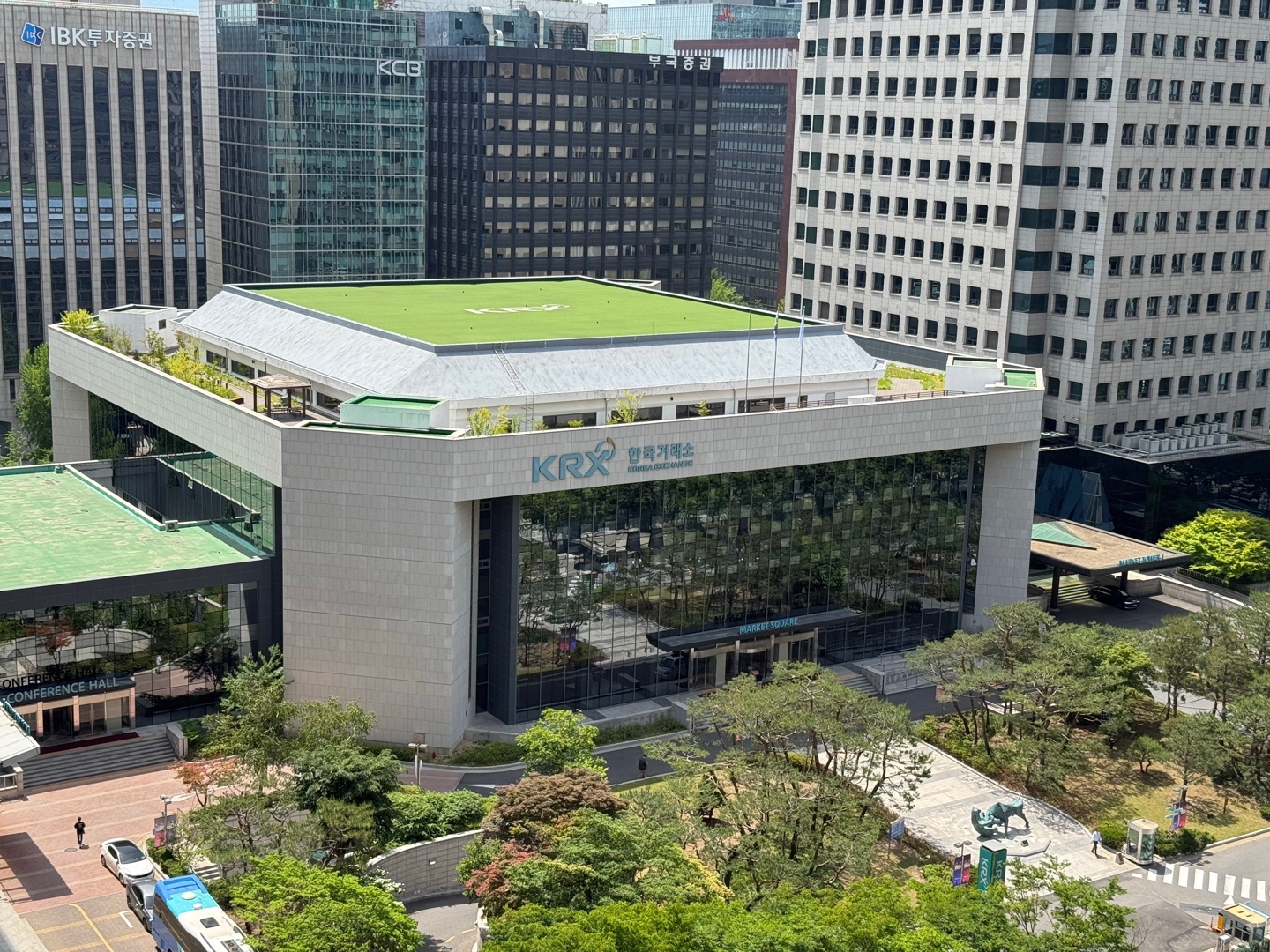
The Financial Supervisory Service, South Korea’s financial watchdog, and the Korea Exchange, which operates the country’s main securities markets, will conduct a three month enforcement campaign targeting illegal trading practices.
Authorities will also closely monitor margin lending, unsettled transactions and forced stock sales. Such liquidations can intensify market declines when investors who purchased shares with borrowed money are required to sell their holdings to cover losses.
Regulators plan to strengthen advance notifications to affected investors and increase oversight of trading activity that could contribute to further selling pressure.
Beyond the immediate measures, South Korea plans to establish a capital market reform task force to examine tax and regulatory changes intended to encourage long term investment and address imbalances between stock supply and demand.
The emergency preparations reflect a broader shift in financial markets as investors reconsider the costs and potential returns of the AI investment boom. While the technology’s long term prospects remain a source of optimism, the latest selloff has demonstrated how quickly uncertainty surrounding U.S. technology investments can unsettle markets tied to the global semiconductor industry.
South Korea’s decision to prepare a financial crisis era rescue mechanism underscores the scale of that uncertainty, as a downturn that gathered momentum on Wall Street puts pressure on one of the world’s most important semiconductor manufacturing economies.