Counterfeit currency remains a costly challenge for financial systems worldwide, as digital platforms make it easier for illicit sellers to reach potential buyers. In South Korea, a sharp jump in counterfeit banknotes transferred to the central bank is raising questions about whether existing detection and enforcement measures can keep pace. For banks, payment companies and investors focused on financial security, the case highlights the continuing need to protect trust in physical currency even as commerce increasingly moves online.
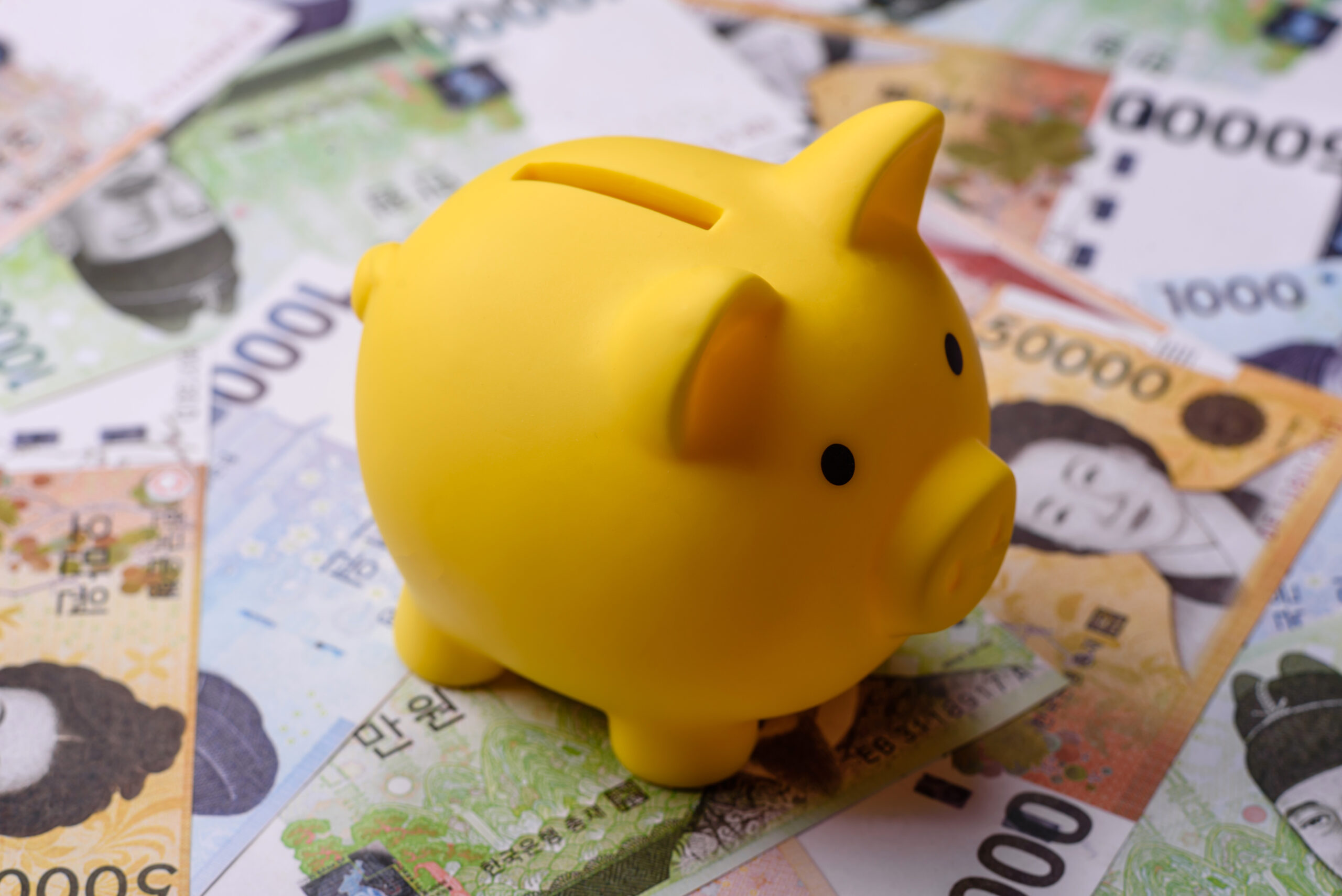
The Bank of Korea received 9,716 counterfeit or altered banknotes from investigative authorities in 2025, nearly 20 times the 483 notes received in 2024, according to data provided to lawmaker Ahn Sang-hoon on Oct. 12. The face value of the notes totaled 476.6 million won, or about $330,000, more than 100 times the 4.63 million won recorded a year earlier.
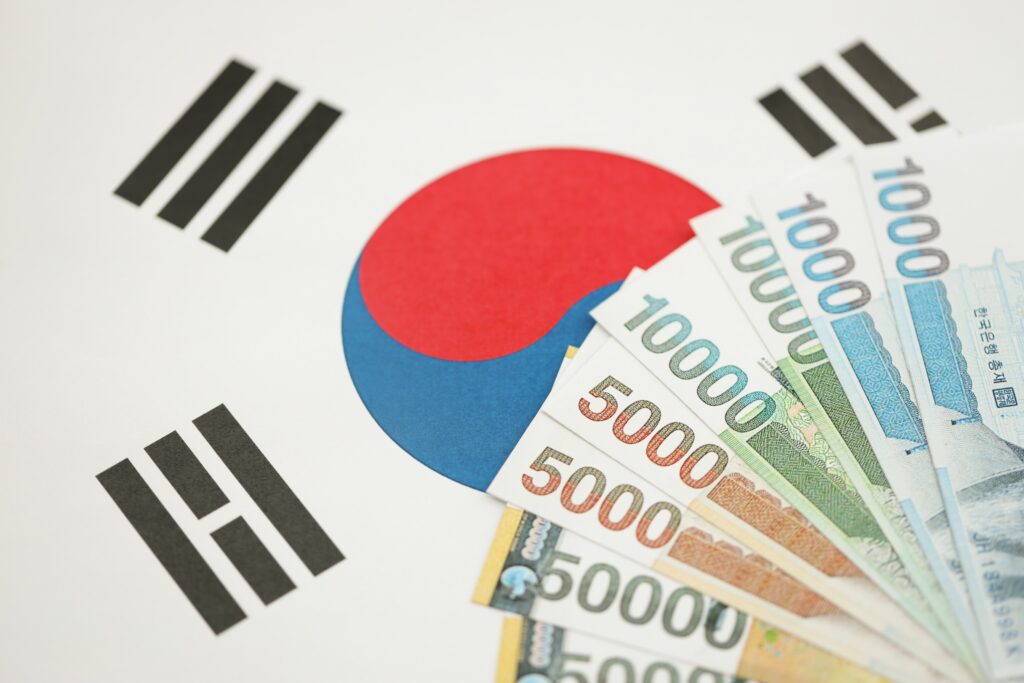
The number of notes transferred to the central bank had fallen from 662 in 2021 to 68 in 2022 and 98 in 2023 before rising to 483 in 2024. Last year, 9,488 of the notes were 50,000-won bills, South Korea’s highest denomination, accounting for 97.7% of the total.
The surge was largely attributed to a major counterfeiting case. In September 2024, authorities in Asan, South Korea, uncovered a group accused of using a color printer to produce 9,188 counterfeit 50,000-won bills with a face value of 459.4 million won. The group allegedly planned to exchange the fake notes for cryptocurrency.
The case illustrates how a single large-scale operation can sharply affect annual seizure figures. The data, however, do not necessarily mean counterfeit bills circulating in everyday transactions increased by the same amount, since the figures reflect notes transferred to the central bank by investigative authorities.
Concern is also growing over the online sale of counterfeit currency. A review conducted by Ahn’s office from Oct. 6 to Oct. 8 identified more than 10 social media posts advertising fake banknotes. Some used overt sales pitches, including claims of having the “largest supply of counterfeit bills” and being “open 24 hours a day.”
According to the lawmaker’s office, users could contact sellers through Telegram and KakaoTalk accounts listed in the posts, potentially allowing them to attempt purchases with just a few clicks. The findings raise questions about how effectively authorities are monitoring digital channels used to market counterfeit money.
Ahn also criticized the Bank of Korea’s public response, saying its efforts have focused largely on teaching consumers how to identify fake notes rather than establishing a more comprehensive system to prevent their circulation.
The central bank recently revamped its counterfeit-detection app, spending about 30 million won on the overhaul. The changes included larger text and a frequently asked questions section, but offered limited changes to the app’s overall functionality, according to Ahn’s office.
The app averaged just seven monthly active users a day in the year after the revamp, the office said. Development costs have totaled about 100 million won since the app was first created, with several million won more spent annually on maintenance.
The figures have prompted scrutiny of whether the central bank’s awareness tools are reaching enough people to improve counterfeit detection. For financial institutions and businesses handling cash, the broader issue is whether public education, digital monitoring and law enforcement can work together to limit the circulation of fake currency.
“South Korea’s response to counterfeit currency needs to match the country’s elevated international standing,” Ahn said, calling on the Bank of Korea to build an effective system to prevent counterfeit notes from entering circulation.
The case underscores a persistent challenge for financial authorities: preserving confidence in cash requires more than helping consumers recognize a fake. It also requires identifying production networks, disrupting online sales and ensuring that enforcement can respond as quickly as counterfeiters adapt.