Celebrity marketing is becoming a growing brand-risk issue for consumer companies as social-media backlash can quickly turn entertainment controversies into product boycotts. For U.S. restaurant chains, advertisers and investors, Burger King’s decision to end a campaign featuring South Korean actor Yoo Hae-jin offers a case study in how quickly reputational pressure can affect advertising strategy, even when a company says a campaign ended on schedule.
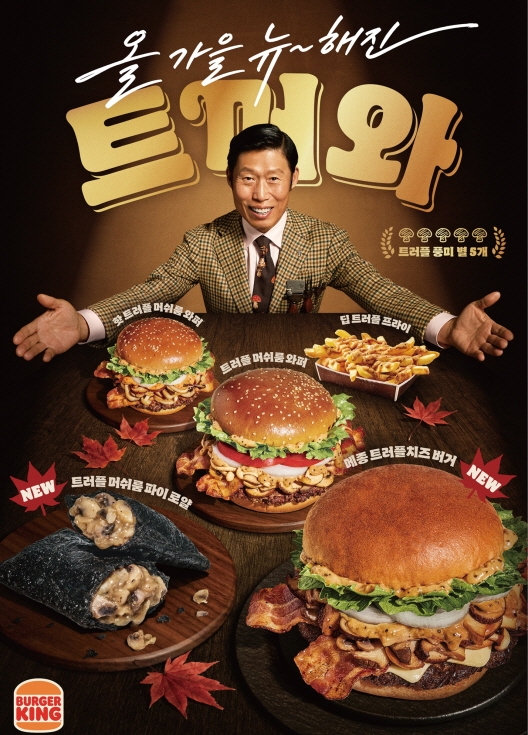
Burger King’s campaign featuring Yoo ended on September 30, roughly two weeks after the launch of its Truffle Mushroom Whopper. The company said the campaign followed a previously established schedule and was unrelated to controversy surrounding the actor.
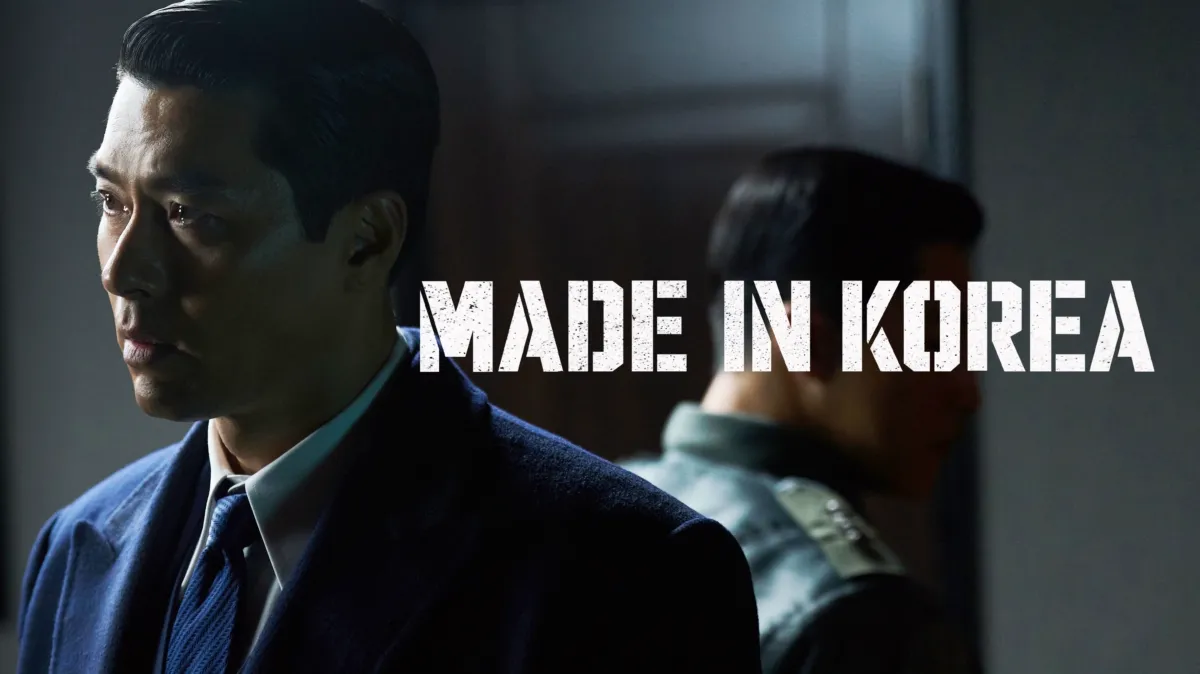
The campaign came under scrutiny after Yoo, a lead actor in the film “Assassins,” became the subject of an online backlash over allegations that the movie distorted historical events. Calls to boycott products promoted by Yoo spread across South Korean online communities and social-media platforms.
Some users posted screenshots showing that they had boycotted the products or deleted the Burger King app. Others left protest comments on advertising videos featuring the actor.
Burger King recently said on its official website that its advertising models are hired under one-time contracts and that the promotional period for the Truffle Mushroom Whopper had ended.
The timing has nevertheless drawn attention because the campaign’s exposure was relatively short compared with some of the company’s previous celebrity promotions.
Burger King generally hires celebrities for individual product campaigns rather than maintaining long-term brand ambassadors. Earlier this year, the chain used actor Lee Jung-jae to promote its Quattro Pepper Cube Steak Whopper, actress Roh Yoon-seo for The Crispy and television personality Choo Sung-hoon for its Garlic Bulgogi Maximum.
A previous campaign featuring Lee provides a longer-term comparison. Burger King released his commercial on December 31, 2025, and continued promotional activity as related products were launched in January and February. The products remained on sale through April 8, putting the campaign period at roughly three months based on the product-launch cycle.
Some of Lee’s Burger King advertisements remain on the company’s official Instagram and YouTube channels. By contrast, posts featuring or mentioning Yoo have been removed, according to industry reports.
Yoo had also appeared in another Burger King campaign earlier this year for two limited-time Boiling Seafood Burgers launched in June. Store posters featuring the actor have since been removed, although the products themselves remain on sale.
Advertising-industry executives said short-term celebrity contracts often last about three months, with television and digital advertising concentrated during a two- to four-week promotional period. Campaign materials can also remain in stores after the main advertising push ends, making the rapid removal of Yoo-related materials notable.
Burger King, however, said there was no connection between the campaign’s end and the controversy.
“The contract period and campaign operating period differ by project,” a company representative said, adding that the campaign followed a predetermined schedule and was unrelated to any particular issue.
The backlash has also escalated into a personal-security concern for Yoo. Police began protective measures after his agency requested assistance, following demonstrations outside a residence reported to be his home and threatening comments posted online since October 4.
For consumer brands and investors, the episode illustrates a broader shift in celebrity advertising. A campaign can be planned around a product launch months in advance, but social-media sentiment can change almost instantly, increasing the importance of flexible contracts, rapid content removal and reputational-risk management.