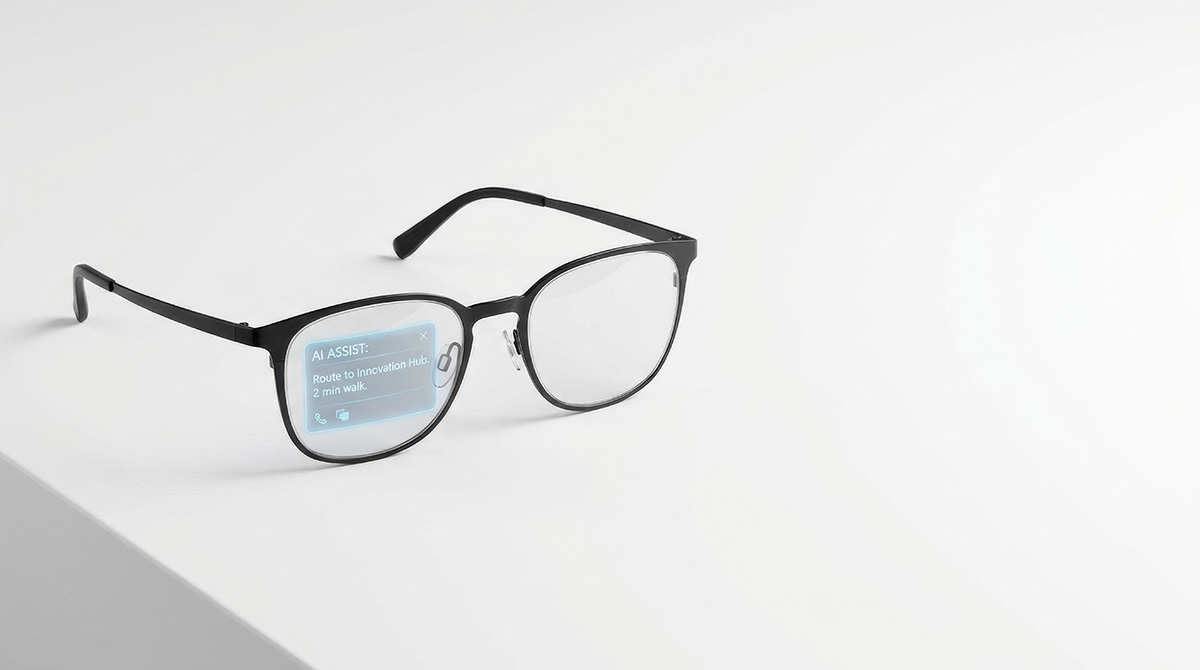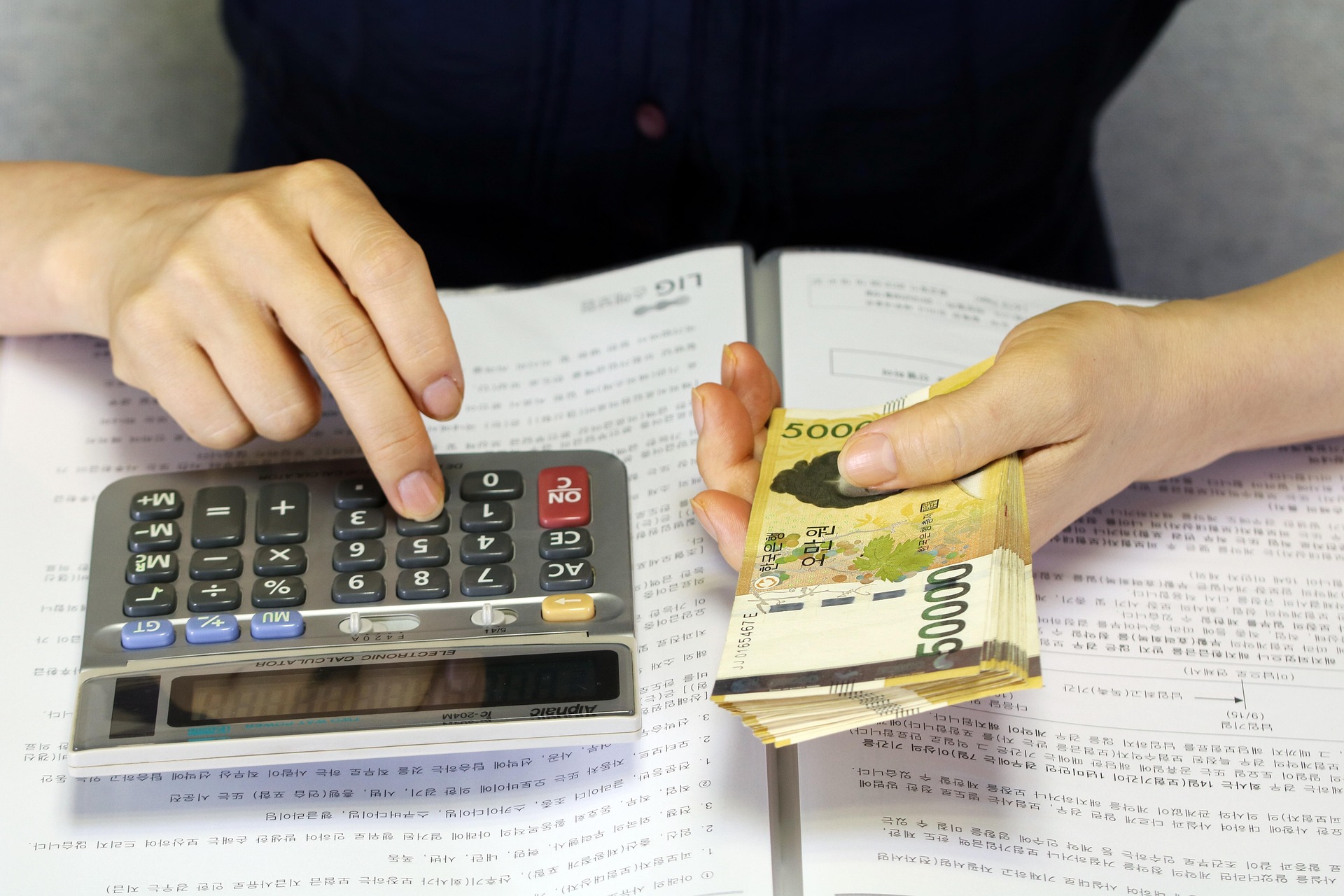
Artificial intelligence has exposed a troubling weakness in South Korea’s national professional licensing exams. A candidate who achieved a near perfect score on the country’s tax accountant examination has admitted using AI to cheat, turning earlier suspicions about smart glasses into a broader scandal over how easily electronic devices can evade exam security.
The case raises an urgent question for American licensing authorities and the companies developing AI wearables. As technology companies such as Meta Platforms, the U.S. maker of Ray-Ban Meta smart glasses, put cameras and AI assistants into everyday accessories, institutions responsible for certifying accountants, lawyers and other professionals face increasing difficulty preventing unauthorized access to information.
The controversy began when the top scorer on South Korea’s national tax accountant examination revealed an extraordinary result. The candidate, identified only as A, answered 159 of 160 questions correctly in the first stage, earning 397.5 out of 400 points.
The performance was particularly striking in tax law, where the average score was just 30.18 and 74.21% of candidates failed to meet the minimum passing threshold. A earned a perfect score and subsequently passed the written second stage with an average of 82.87, finishing first overall on the initial attempt.
The results prompted speculation that the candidate had used AI smart glasses to obtain answers. A initially denied the allegations, attributing the performance to nearly two years of intensive preparation, including daily study sessions beginning at 4 a.m.
But on November 15, the candidate admitted using generative AI to cheat on both stages of the examination and voluntarily reported the misconduct to police.
The method did not involve smart glasses. Instead, A acknowledged using a miniature camera to capture examination questions and a smartphone to obtain AI generated answers. The admission established that AI assisted cheating had occurred, even though the original suspicions about smart glasses were not substantiated.
The revelation also raised questions about examination oversight. The Human Resources Development Service of Korea, the government affiliated agency administering the examination, had previously reported finding no unusual circumstances involving the candidate.
Concerns have since spread to other national professional examinations, including tests for customs brokers and real estate appraisers. High scorers on South Korea’s law school admissions examination have also faced suspicion, with some publicly demonstrating their abilities to defend their results. No evidence has established that those candidates cheated.
South Korean authorities are tightening restrictions on AI devices. The Ministry of Education has explicitly banned AI glasses from the country’s national college entrance examination, while the Human Resources Development Service of Korea is pursuing an AI Inspector system to identify unauthorized electronics.
The scandal illustrates a growing challenge for the examination security industry as AI becomes more portable and accessible. Testing authorities must develop ways to detect prohibited devices while ensuring that legitimate candidates are not accused of cheating simply because of exceptional results.
South Korea’s experience shows that the threat is no longer theoretical. An applicant successfully used AI to compromise a national professional licensing examination, exposing weaknesses in a system designed to establish professional competence. Smart glasses represent another potential challenge as examination authorities confront technology that is becoming increasingly difficult to detect.