South Korea’s semiconductor industry is facing a new threat from an unexpected source. A scandal involving the chief executive of Nvidia, the American chipmaking giant at the center of the artificial intelligence boom, has raised concerns that Washington could tighten technology restrictions on China, potentially affecting two of the world’s leading memory chip manufacturers.
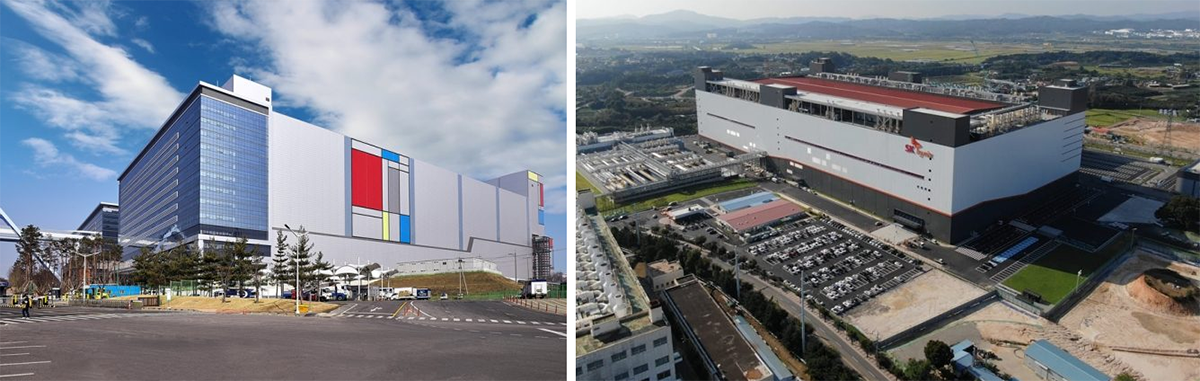
Samsung Electronics and SK Hynix, South Korea’s biggest semiconductor companies, have become increasingly dependent on demand for advanced memory chips used in AI processors. Nvidia, based in Santa Clara, California, is a major customer of that technology. Any disruption to its business could ripple through South Korea’s semiconductor industry, where investors are already concerned that the AI market may be approaching a peak.
The stakes also extend to American technology companies and investors. Nvidia’s graphics processing units power advanced AI systems, but those processors rely on specialized memory manufactured largely in Asia. The growing dependence on South Korean suppliers means that changes in Nvidia’s business or U.S. export policy could affect the broader AI hardware supply chain.
The latest uncertainty stems from an extramarital affair involving Nvidia Chief Executive Jensen Huang and a woman whom U.S. intelligence officials reportedly suspect of having connections to Chinese intelligence.
The allegations have raised questions about whether sensitive information concerning Nvidia’s products, technology or business operations could have reached Beijing.
What began as a personal scandal has consequently become a potential national security issue involving one of America’s most strategically important technology companies.
Washington has sought to restrict China’s access to advanced AI processors amid intensifying competition over artificial intelligence. Nvidia’s technology is central to those efforts because its chips provide the computing power required to develop and operate sophisticated AI systems.
U.S. lawmakers are seeking answers about the allegations, including concerns that restricted Nvidia processors may have reached China through third countries. The controversy could strengthen pressure for tighter export controls and additional scrutiny of the company’s business activities involving China.
That possibility poses a particular challenge to South Korea’s semiconductor manufacturers.
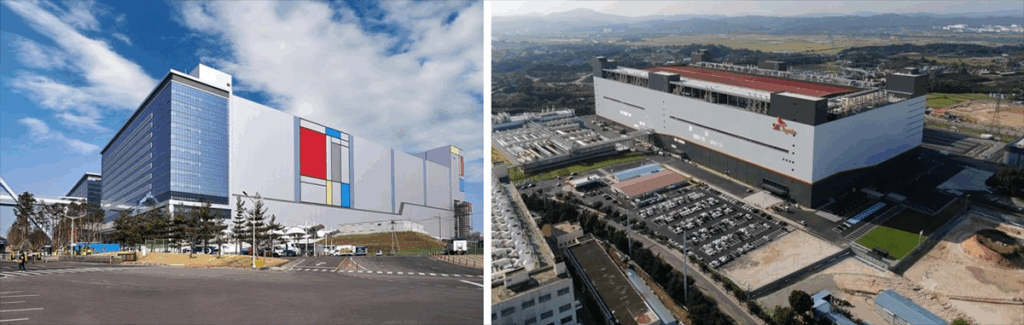
SK Hynix, one of the world’s leading memory chip producers, is a major supplier of high bandwidth memory, or HBM, to Nvidia. Samsung Electronics, the country’s largest electronics manufacturer and another major memory producer, also participates in the rapidly expanding market for AI memory technology.
HBM allows advanced processors to handle enormous volumes of data at high speeds, making it essential to the performance of AI computing systems. Growing demand for the technology has helped turn South Korean memory manufacturers into critical suppliers for the global AI industry.
If Washington imposes stricter restrictions on Nvidia’s sales to China, the consequences could extend to those suppliers. Reduced shipments of AI processors could translate into weaker demand for the memory components used in them, potentially affecting orders, production plans and earnings at Samsung Electronics and SK Hynix.
The concern comes as investors are already questioning whether the enormous investment flowing into AI infrastructure can sustain the semiconductor industry’s rapid expansion.
Nvidia’s growing influence has been a major driver of that expansion, particularly as technology companies invest heavily in data centers capable of supporting increasingly demanding AI applications.
That success has also made South Korean chipmakers more sensitive to changes in Nvidia’s spending and purchasing decisions.
The controversy has introduced a second concern involving Huang’s unusually dominant role in Nvidia’s management.
Since cofounding the company in 1993, Huang has overseen its transformation from a graphics chip developer into a dominant supplier of AI processors. Nvidia’s centralized management structure places considerable strategic authority in his hands, allowing the company to respond quickly to technological changes.
But that concentration of authority could become a weakness if the scandal undermines Huang’s leadership. A serious management disruption could complicate Nvidia’s product development, investment strategy and purchasing plans, creating further uncertainty for semiconductor suppliers that depend on its business.
Financial markets have already shown signs of concern. Nvidia shares fell 4.3% on Monday as investors assessed the implications of the controversy alongside broader worries about AI spending.
South Korean semiconductor stocks proved more resilient during the same session. Samsung Electronics rose 0.64%, while SK Hynix gained 0.35%, suggesting that investors had not yet begun pricing in an immediate disruption to their businesses.
President Donald Trump has also publicly defended Huang, describing him as a fine person and expressing support for his participation in the upcoming Asia Pacific Economic Cooperation summit in Shenzhen, China.
The White House’s response underscores the importance of Nvidia’s leadership to America’s technology ambitions, even as the possibility of greater congressional scrutiny raises questions about the company’s future business with China.
The implications for South Korean semiconductor companies will ultimately depend on whether the controversy changes U.S. export policy or Nvidia’s business plans.
Samsung Electronics and SK Hynix have benefited from the extraordinary expansion of AI computing, but their growing ties to Nvidia also expose them to risks originating far beyond South Korea.
The scandal illustrates how closely the fortunes of the Korean semiconductor industry have become linked to decisions made in Silicon Valley and Washington. A shift in America’s approach to AI chip exports could affect not only Nvidia’s access to China but also the demand underpinning South Korea’s advanced memory business.