A South Korean construction conglomerate is closing in on the largest shareholder position at Korean Air’s parent company, raising questions about the airline group’s future ownership and the role of Delta Air Lines, one of its most important international partners.
Hoban Group’s latest share purchases could make it the largest investor in Hanjin KAL, the holding company that oversees Korean Air. The development has implications beyond South Korea because Delta owns 14.9% of Hanjin KAL and operates a major transpacific joint venture with Korean Air. Delta originally invested in the holding company to strengthen that partnership, which connects U.S. travelers with destinations across Asia.
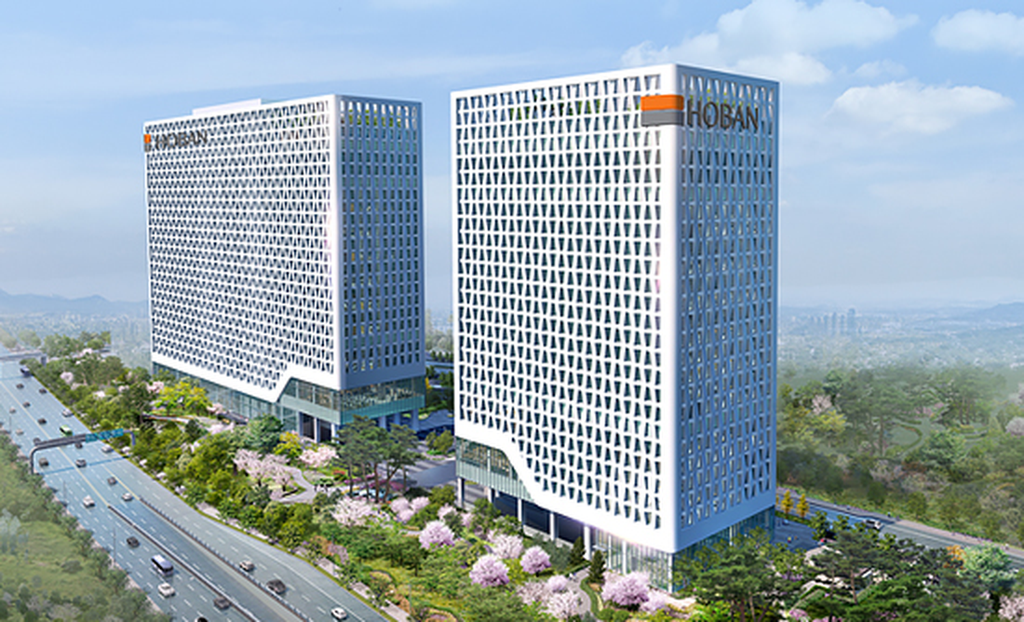
The question is why a construction company is accumulating such a large stake in an airline group. Hoban, a South Korean conglomerate primarily known for real estate development and construction, has pursued aviation investments before. In 2015, it unsuccessfully bid for control of Kumho Industrial, then the parent company of Asiana Airlines. In 2022, Hoban acquired a substantial Hanjin KAL stake from private equity fund KCGI, establishing itself as a major shareholder.
Hoban has consistently described its purchases as a passive investment rather than an attempt to gain management control. Its continued buying, however, has fueled speculation that the company may eventually seek a greater role in Hanjin Group, despite having announced no formal takeover plan.
The latest purchases have brought that possibility into sharper focus.
As of July 10, Hoban controlled 20.15% of Hanjin KAL, just below the 20.57% held by Hanjin Group Chairman Walter Cho and related parties. The gap of 0.42 percentage points was already narrow before Hoban purchased additional shares on the open market.
Hoban said the subsequent acquisitions may have pushed its holdings above Cho’s stake, prompting the company to file a business combination notification with South Korea’s Fair Trade Commission in October. The company is awaiting the regulator’s review, and its exact updated ownership percentage has not been confirmed.
Becoming the largest shareholder, however, would not automatically give Hoban control of Korean Air’s parent company.
Cho continues to benefit from the presence of major investors considered supportive of his leadership. Delta held 14.9% of Hanjin KAL as of June 30, while the state owned Korea Development Bank held another 10.58%. Together, those two investors controlled 25.48%, a substantial ownership position that could help Cho maintain his influence even if Hoban becomes the largest individual shareholder.
Delta’s position is particularly significant because its investment is tied to a broader commercial relationship with Korean Air. The airlines cooperate on flights connecting the United States and Asia, making the Korean carrier an important partner in Delta’s international network. Although there is no indication that Hoban’s purchases will affect that partnership, a future dispute over Hanjin KAL’s management could put greater attention on Delta’s position as both an investor and a business partner.
Another investor that could influence any future shareholder contest is South Korea’s National Pension Service, the country’s public pension fund, which holds 5.46% of Hanjin KAL. Its stake could become important if disagreements over corporate control develop into a broader contest among shareholders.
Hoban’s latest acquisitions are also subject to South Korean competition regulations. Companies exceeding certain asset or revenue thresholds must notify the Fair Trade Commission when acquiring at least 15% of a publicly traded company or when subsequent purchases make them the largest shareholder.
The regulator generally has 30 days to examine potential restrictions on competition, although it can extend the review period by as much as 90 days when further scrutiny is required.
For now, Hoban has not publicly declared an intention to take control of Hanjin KAL, and the possible change in its shareholder ranking does not mean the airline group’s management will change.
The unresolved question is whether Hoban’s growing investment will remain a financial holding or develop into a challenge to the existing leadership. Any such contest would unfold against a shareholder structure in which Delta, whose commercial relationship with Korean Air extends well beyond its equity investment, remains a significant source of support for the current management.