A 47% stock market collapse in South Korea has ignited a battle over foreign investors and their ability to profit from falling share prices. Retail traders are blaming overseas short sellers for worsening the rout and demanding government intervention, setting up a confrontation over how freely international capital should operate in one of Asia’s major financial markets.
The dispute could have consequences for Wall Street funds investing in South Korean equities. A sweeping short selling ban would restrict strategies used to hedge against losses or bet on declining shares, including those of Samsung Electronics and SK Hynix, two major suppliers of memory chips to the global technology industry. It could also complicate South Korea’s campaign to gain admission to MSCI’s developed markets index.
The controversy reflects a growing divide between domestic investors seeking protection from market losses and foreign institutions that rely on access to different trading strategies. While short sellers can profit when stocks fall, financial experts caution that prohibiting their transactions does not necessarily reverse a market decline.
South Korea’s benchmark KOSPI index has fallen 47% from its recent peak, according to financial industry figures reported November 23. The decline exceeds the 35.7% drop during the COVID pandemic and approaches the 55% loss recorded during the 2008 global financial crisis.
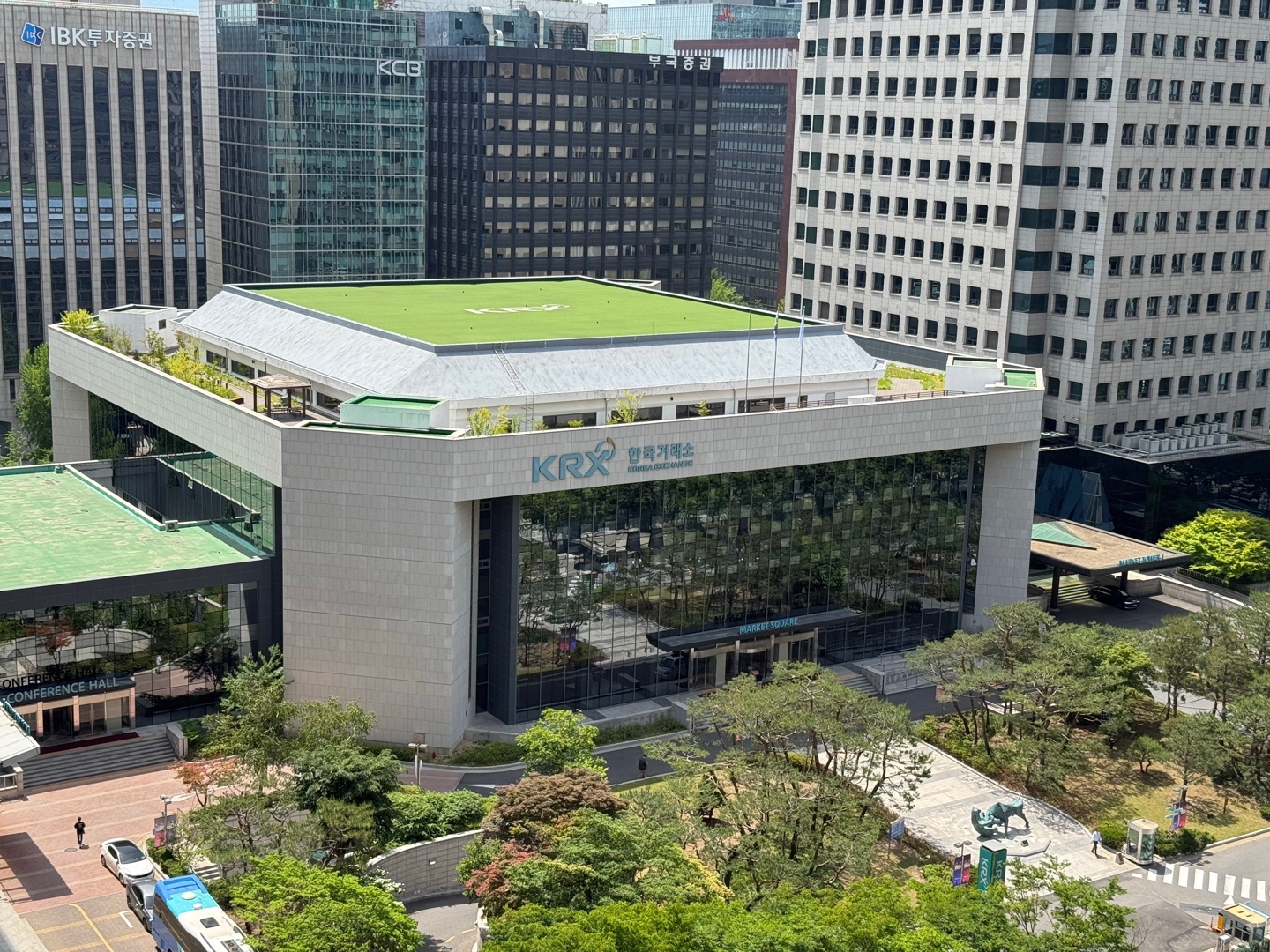
Foreign investors have become the focus of public anger because they dominate short selling transactions. Korea Exchange data show that short selling across the country’s two main stock markets reached approximately $17 billion during the 15 trading sessions ending November 20, with foreign investors accounting for roughly $12 billion.
Short selling involves borrowing shares and selling them in anticipation of buying them back at lower prices. The strategy can add selling pressure to a declining market, but the increase in short selling does not establish that foreign traders caused the broader collapse.
The tension intensified on November 20, when the KOSPI fell 5.21% and bearish trading surged in the country’s largest semiconductor companies.
Short selling turnover in SK Hynix jumped 143.2% from the previous session to $118 million. The proportion of its trading activity attributable to short sales more than doubled to 3.28%. Samsung Electronics also recorded a 77.5% increase in short selling turnover.
Those figures have reinforced suspicions among retail traders that foreign investors are profiting from a market downturn while ordinary shareholders absorb the losses.
The increase in bearish positions is not limited to South Korea. KB Securities, a South Korean brokerage firm, reported that global short positions in technology stocks had increased 46% since the beginning of the year as of the fourth quarter, compared with 32% growth in long positions.
As anger mounts, investors are pointing to Taiwan as an example of how regulators can intervene.
Taiwan tightened its short selling rules on November 23, prohibiting short sales below the previous trading day’s closing price and raising minimum margin requirements from 130% to 150%.
South Korea has repeatedly gone further. Authorities imposed marketwide short selling bans during the 2008 financial crisis, the 2011 European debt crisis and the 2020 pandemic. Another ban followed in November 2023, largely to address illegal naked short selling and strengthen regulatory oversight.
The historical record, however, challenges the argument that short selling restrictions are essential to restoring stock prices.
The KOSPI gained 14.7%, 10.0% and 2.84% in the three months following the resumption of short selling in 2009, 2011 and 2021, respectively.
Financial experts argue that economic conditions, corporate earnings and market liquidity have a greater influence on stock prices than restrictions on short selling.
They also warn that broad bans can reduce liquidity and increase volatility, citing the market deterioration observed immediately after South Korea’s 2020 restrictions.
That leaves policymakers confronting a potentially costly tradeoff.
South Korea has been seeking inclusion in the MSCI Developed Markets Index, a benchmark followed by institutional investors around the world. The index provider identified regulatory burdens and operational complexities associated with the country’s short selling rules in its June market accessibility assessment.
Another comprehensive ban could heighten concerns about whether foreign institutions can operate efficiently in South Korean equities, even as the country seeks greater international investment.
The government has instead announced a series of market stabilization measures. Following an emergency meeting on November 22, officials agreed to begin preparations for a stock market stabilization fund, ease restrictions on corporate share buyback orders and strengthen surveillance of illegal short selling.
Those measures have not resolved the underlying dispute over whether foreign investors are contributing to the collapse or responding to deteriorating market conditions.
South Korea’s dilemma is becoming increasingly difficult. A government seeking to reassure domestic shareholders faces pressure to restrict the very trading practices that international investors expect to be available.
The outcome could determine how foreign funds approach South Korean stocks at a time when the country is struggling to restore investor confidence and strengthen its position in global financial markets.