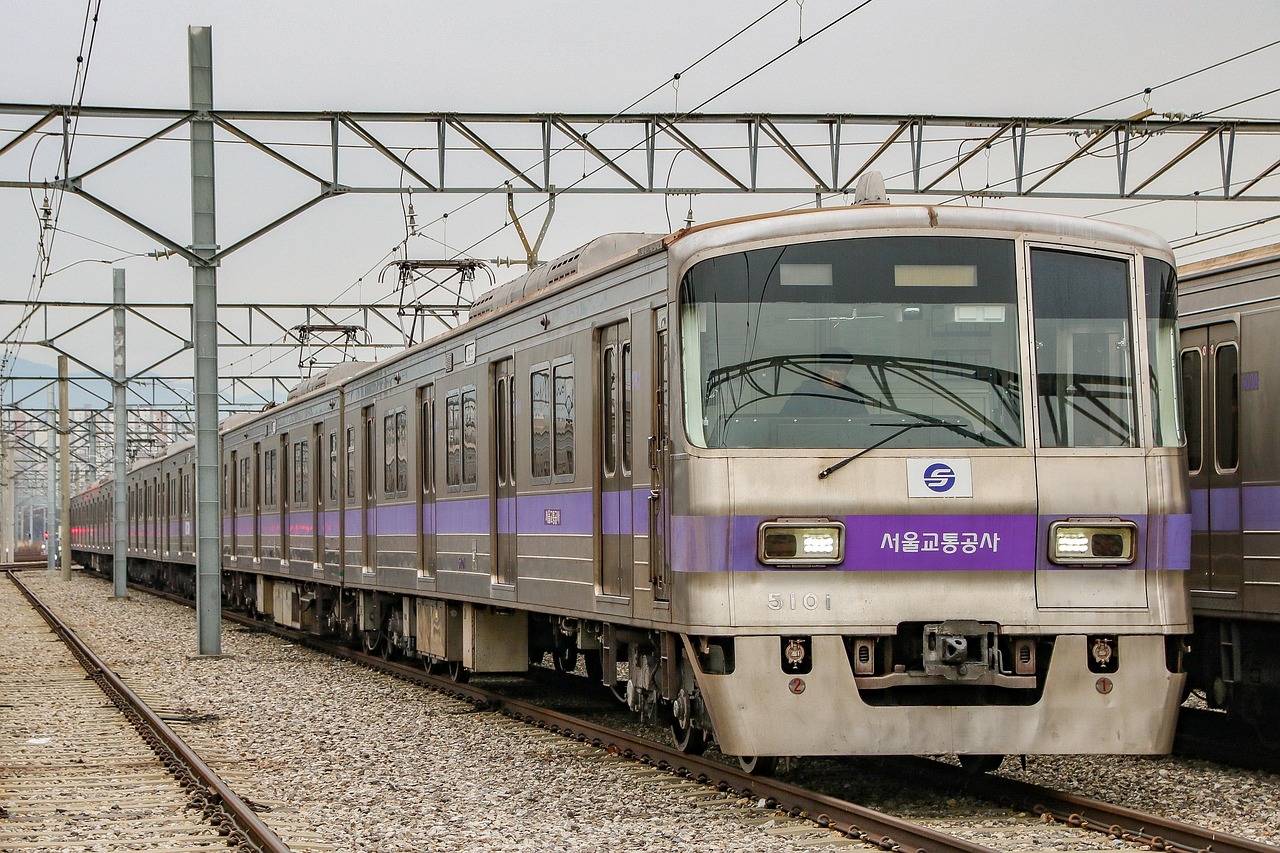
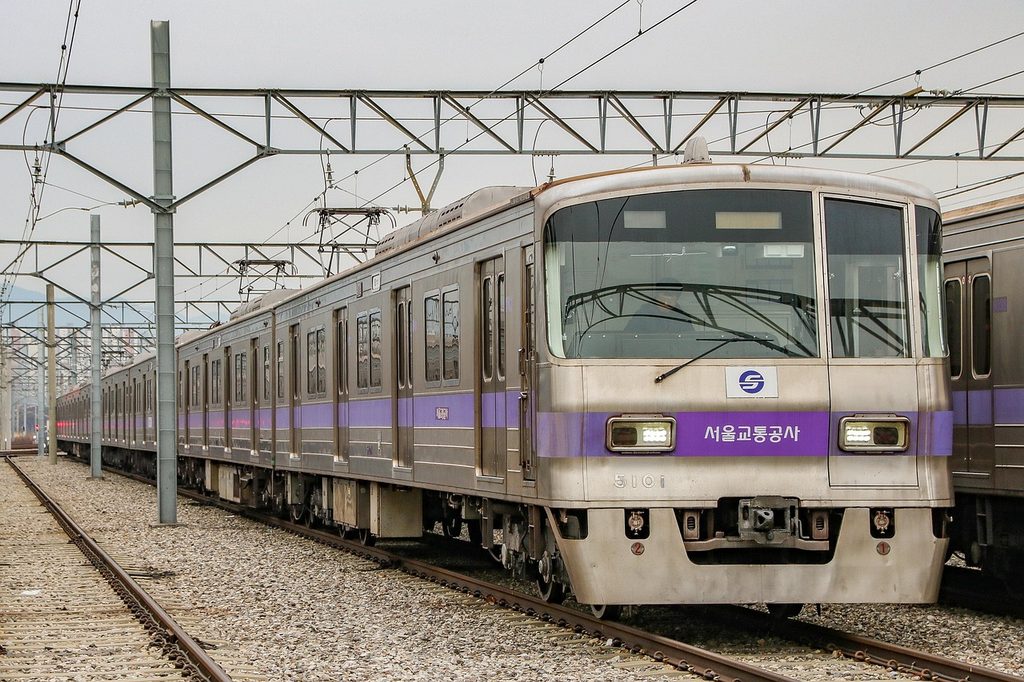
South Korea helps older residents manage an everyday expense by eliminating subway fares once they turn 65, rather than simply offering a discount. New York’s subway system, by comparison, offers riders of the same age half the base fare.
The Korean benefit may deliver more than cheaper transportation. A study commissioned by 6 urban rail operators estimated that free rides generated about $490 million in social benefits in 2025, including depression prevention, time saved on hospital visits and increased spending at local businesses.
Those findings put the funding dispute in a different light. Eliminating fares can support people’s health and daily lives as they age, but the value of those benefits does not become revenue that subway operators can use to run their trains. The operators want the national government to help pay for a welfare policy whose benefits extend beyond transportation.
The Korean Society of Transportation, an academic association, conducted the study for operators in Seoul and 5 other cities. Seoul Metro, a public subway operator in South Korea’s capital, released the findings on October 22.
The study found greater public support for keeping free transportation than eliminating it. In a nationwide survey of 2,000 adults, 51.5% said the program should remain, compared with 24.4% who said it was unnecessary.
Respondents were less inclined to leave the bill with transit operators. Some 41.7% said the central government should bear most of the cost, while 31.9% favored local government funding. Just 9% said operators should pay themselves.
Health accounted for the largest share of the estimated benefits, at $255 million annually. Transportation and environmental gains, including fewer traffic accidents and less pollution, contributed $172 million. Economic benefits, including spending at local businesses, totaled $62 million.
These are estimates of social value, not revenue or cash savings available to the subway systems. Researchers expect the annual benefits to increase as South Korea’s population ages, reaching $677 million in 2035 and $798 million in 2050.
The operators face a worsening financial outlook. Their combined net losses totaled $1.1 billion in 2025 and are projected to reach $1.4 billion in 2030 and $2.3 billion in 2050. Those figures cover their overall operations, not losses attributable solely to free rides.
One proposed response would make older passengers wait longer to qualify.
Daegu, a city in southeastern South Korea, began adjusting its eligibility rules in July 2023 to bring free bus and subway travel toward a common minimum age of 70. Its revised ordinance also allows the city government to compensate operators for the resulting losses.
The researchers cautioned that raising the eligibility age alone would not resolve the financial problem. They recommended combining changes to the program with a funding arrangement that includes national government support.
Because free transportation is grounded in national legislation, including the Welfare of Senior Citizens Act, the study proposed a working group led by South Korea’s transport and health ministries. The group would assign responsibilities and establish a method for calculating support based on eligible passengers and actual usage.
The report pointed to arrangements abroad in which governments compensate operators for fare reductions adopted for social welfare purposes. France uses transportation taxes and local government funding, while Germany shares responsibility between federal and state governments, according to the study.
Seoul Metro also argues that South Korea’s existing funding arrangements treat rail operators differently. Korail, the country’s national railway operator, receives central government subsidies for public service obligations. Seoul Metro said the government allocated about $300 million to Korail under that framework this year, while providing no equivalent subsidy to Seoul Metro even on routes where both run trains.
A separate dispute over free rides for veterans and other beneficiaries of veterans’ programs has reached the courts. Seoul Metro filed a constitutional complaint on October 8 after a court dismissed its claim for $2.7 million in compensation for losses incurred in 2024. That case does not cover the broader senior transportation program.
The study’s proposed answer to the senior funding problem is not simply to withdraw the benefit or delay eligibility. It is to make national and local authorities share responsibility for a service whose value, the researchers argue, cannot be measured by fare revenue alone.