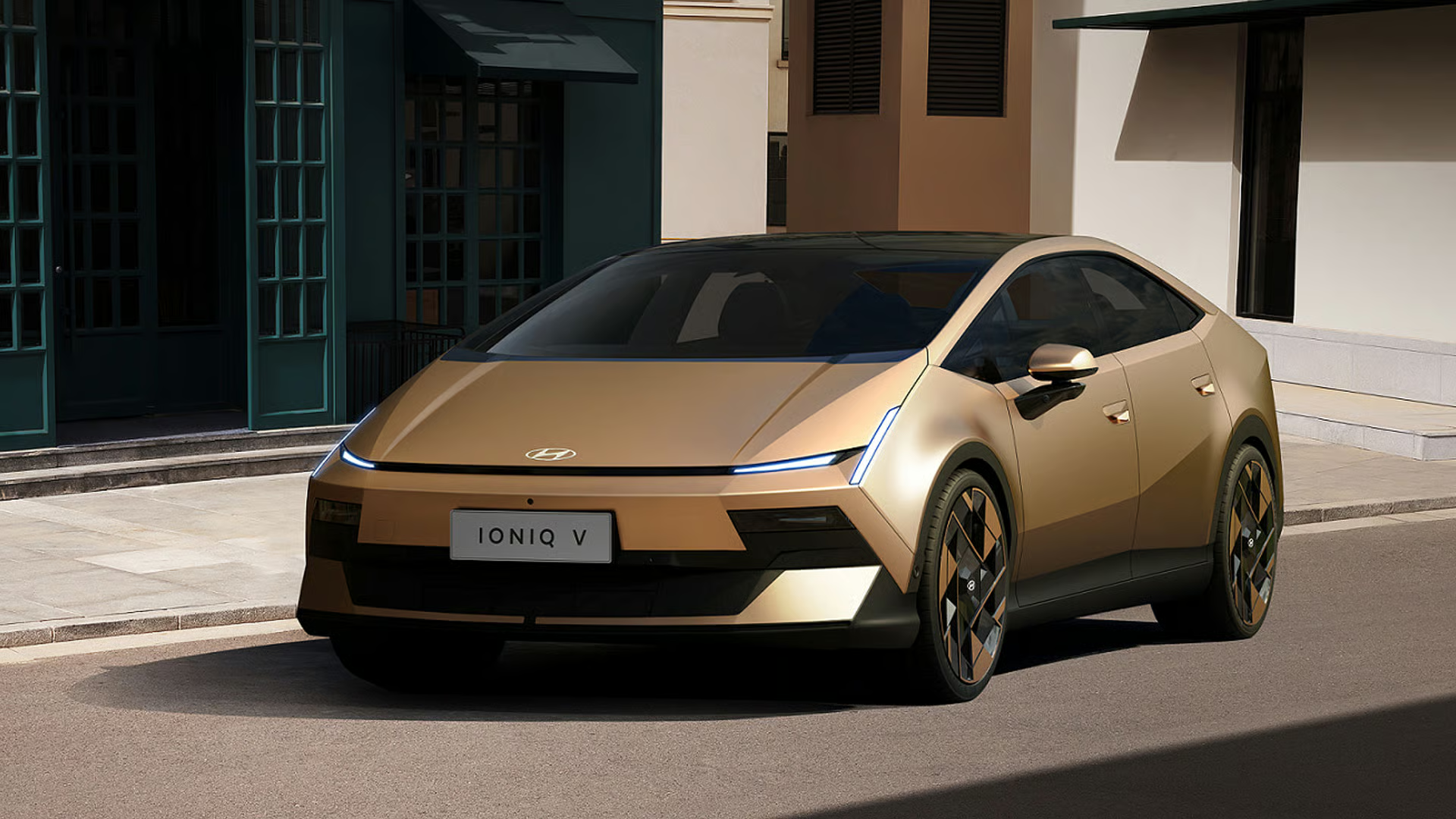
China’s electric vehicle market is becoming a difficult test for global automakers, even those willing to adopt Chinese technology and compete on price. Hyundai Motor, South Korea’s largest automaker, has embraced both strategies in its latest attempt to revive sales in China, but its new Ioniq V electric sedan recorded just 28 sales in September.
The challenge extends beyond Hyundai. American automakers Tesla and General Motors also compete in a market where domestic manufacturers such as BYD, Geely and XPeng have established strong positions through competitive pricing and advanced technology.
Hyundai’s experience raises a broader question for international carmakers and their investors. Can adopting China’s technology and cost structure help foreign brands regain ground against local competitors?
Hyundai’s problems run deeper than a single model. The company’s sales in China fell 29.9% during the first 9 months of 2026 compared with the same period a year earlier. Domestic sales in September plunged 60.3%, underscoring the pressure on Hyundai to reverse its declining position in the Chinese market.
The South Korean automaker has responded by developing electric vehicles specifically for Chinese consumers rather than relying on models designed primarily for overseas markets. Through Beijing Hyundai, its Chinese joint venture, the company has introduced vehicles that incorporate local technology, digital features and more competitive pricing.
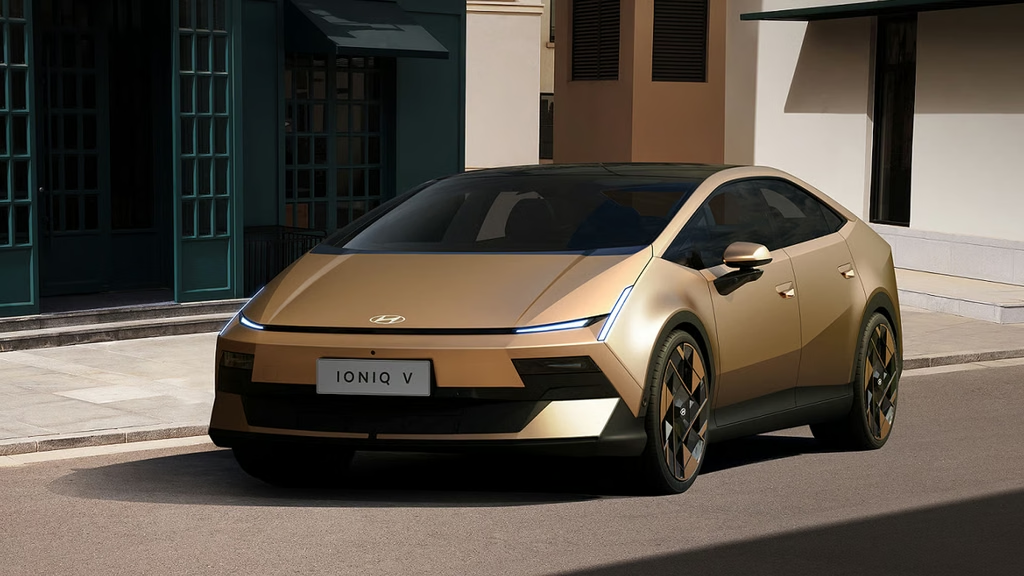
The Ioniq V represents one of the clearest examples of that strategy. The midsize electric sedan uses batteries supplied by CATL, China’s largest battery manufacturer, and an advanced driver assistance system developed with Momenta, a Chinese autonomous driving technology company. Its interior features a 27-inch 4K display, while its estimated driving range reaches approximately 400 miles under China’s CLTC testing standard.
Hyundai has also moved aggressively on pricing. The Ioniq V launched with promotional prices ranging from 99,900 yuan to 131,900 yuan, approximately $15,000 to $20,000, placing it in direct competition with Chinese models such as XPeng’s Mona M03 and BYD’s Seal 06.
Despite those measures, the sedan’s September sales were limited. According to figures attributed to the China Passenger Car Association, the Ioniq V ranked 18th among 19 newly introduced models that month. However, the car officially went on sale Sept. 29, meaning its September sales reflected only 2 days of availability rather than a full month. The limited selling period makes it too early to determine whether the model can establish sustained demand.
Hyundai’s other locally developed electric vehicle has faced a more prolonged struggle.
The Elexio SUV, which emphasizes digital convenience features and smart technology tailored to Chinese buyers, recorded just 67 sales in September. Together, the Ioniq V and Elexio sold 95 vehicles during the month.
The Elexio is also part of Hyundai’s broader ambition to use China as a manufacturing and export base. By drawing on local suppliers and technology companies, Hyundai hopes to improve its cost competitiveness while developing vehicles that can eventually reach markets beyond China.
That strategy faces formidable competition. Chinese automakers including BYD, Geely and XPeng have built extensive electric vehicle lineups, combining competitive prices with increasingly sophisticated software and driving technology. Their strength makes it difficult for foreign manufacturers to differentiate their products through features or pricing alone.
Hyundai’s reliance on Chinese suppliers also illustrates a shift in the global automotive industry. Technologies that international manufacturers once sought to develop independently are increasingly available through Chinese partners. Access to those capabilities, however, does not automatically translate into stronger sales or greater market share.
The stakes are particularly high for Hyundai because its China strategy involves more than recovering domestic sales. The company is seeking to establish a stronger position in electric vehicles while using its Chinese operations to support future overseas expansion.
Hyundai’s September figures do not yet establish whether its newest sedan will succeed or fail. Its longer-term sales decline, however, shows how much ground the company must recover. The coming months will test whether competitive prices, local technology and new models can reverse that decline in a market increasingly shaped by Chinese manufacturers.