A South Korean filmmaker has broken his silence after a movie questioning the official account of a 1974 assassination attempt sparked political protests, accusations of historical distortion and growing pressure on its cast.
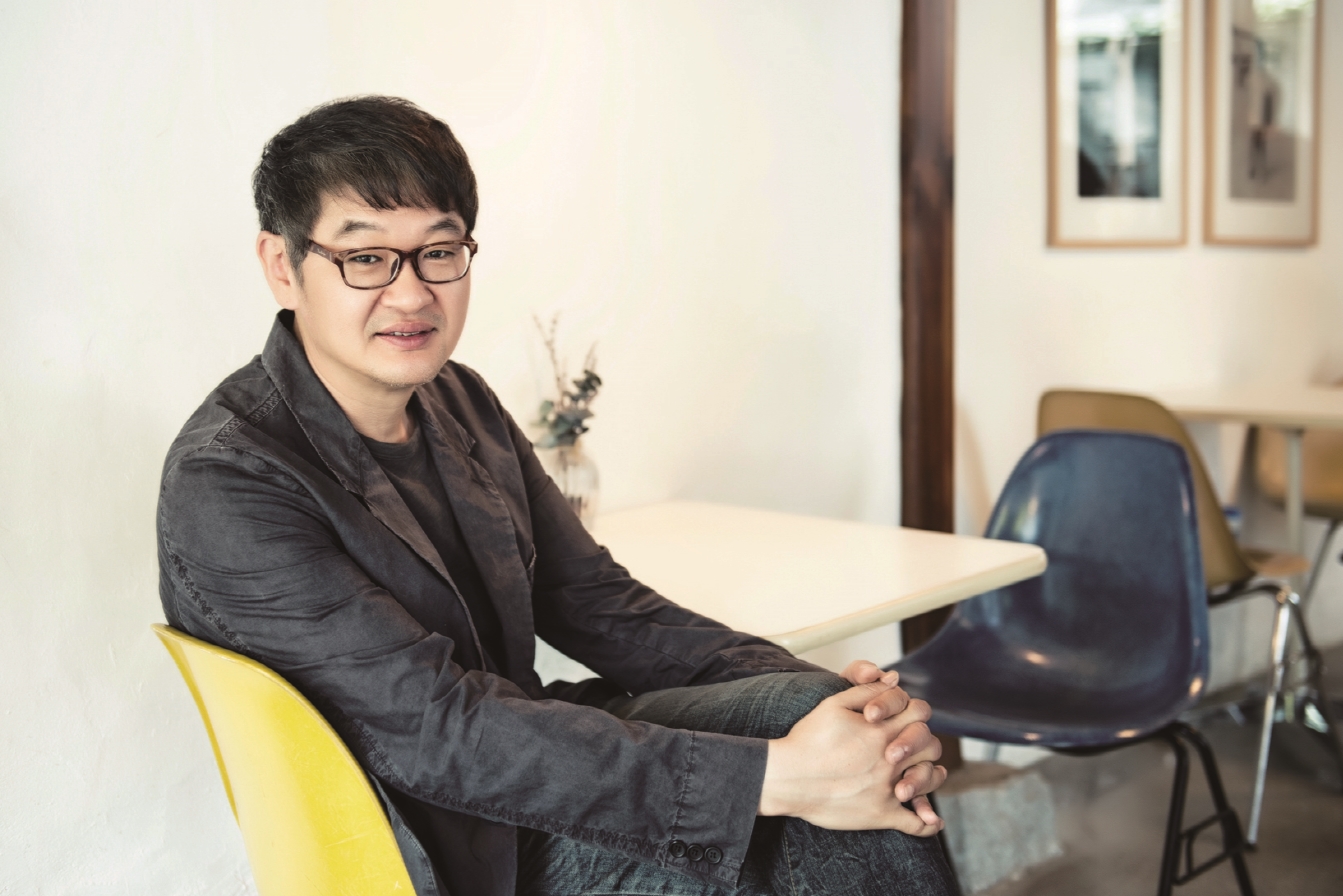
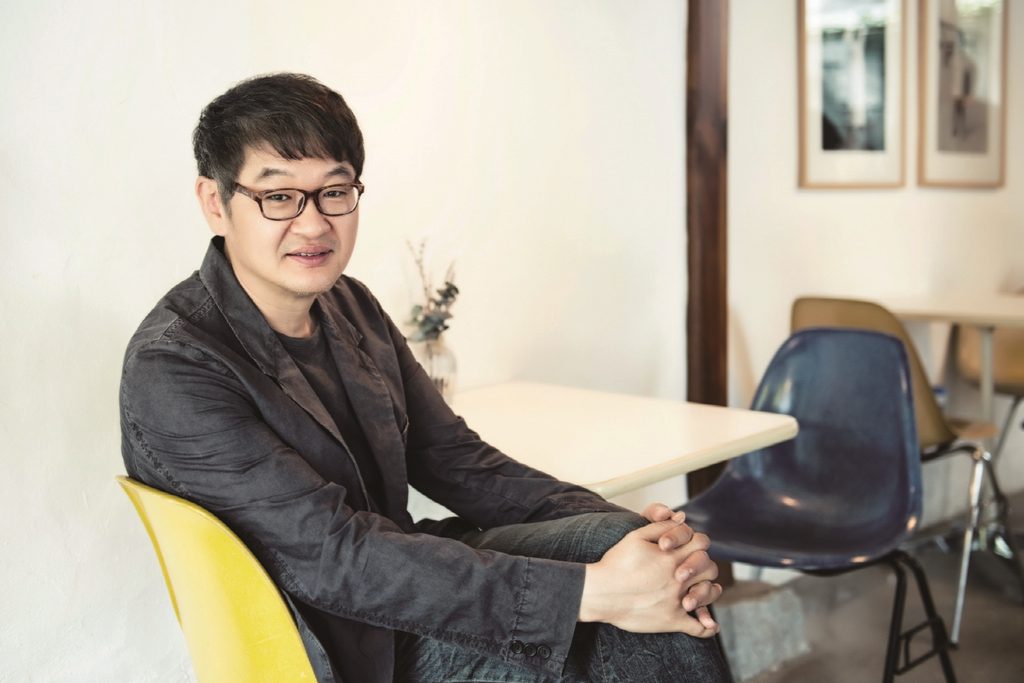
Hur Jin-ho, a veteran director known for Christmas in August, One Fine Spring Day and The Last Princess, defended his latest film, The Assassin(s), nearly a month after its release. The controversy has extended beyond the movie itself, raising concerns about political interference in South Korea’s internationally recognized film industry.
The film revisits an assassination attempt against President Park Chung-hee, an authoritarian leader and a key American ally during the Cold War. On August 15, 1974, gunman Mun Se-gwang opened fire during a ceremony marking Korea’s liberation from Japanese colonial rule. Park survived, but his wife, first lady Yuk Young-soo, was fatally wounded. South Korean authorities attributed the attack to North Korean involvement.
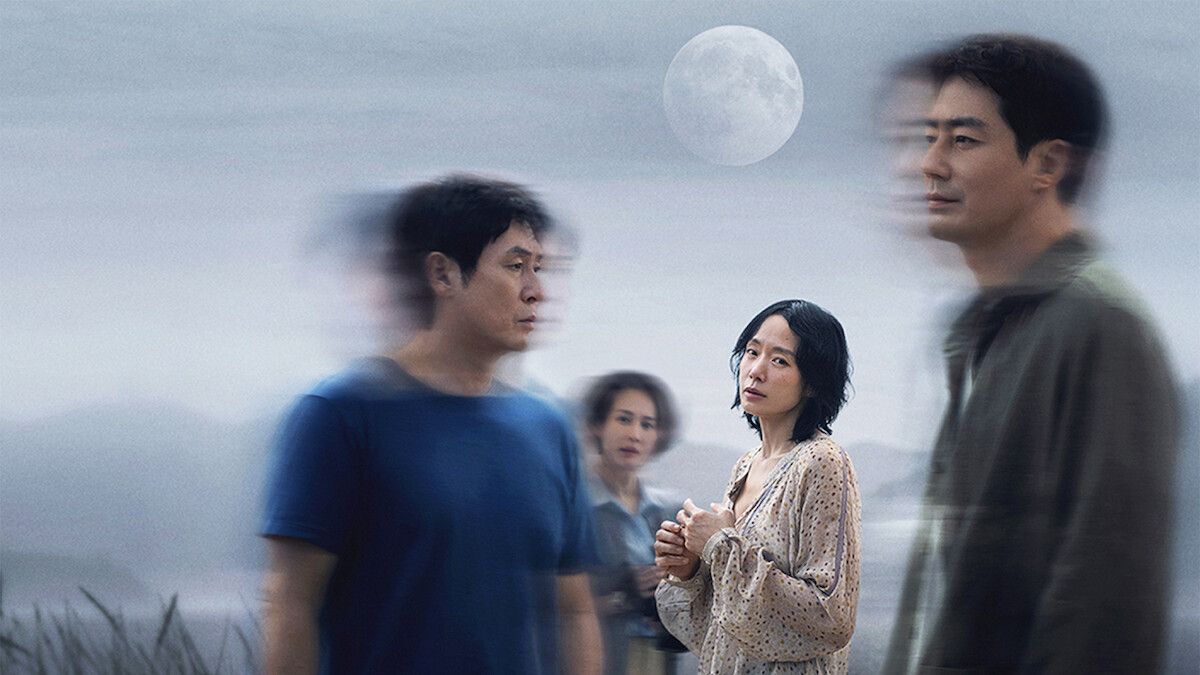
More than five decades later, questions surrounding the original investigation have become the subject of a political thriller that has drawn over 3.34 million moviegoers since its September 23 release.
The film’s interpretation of the incident has angered critics who accuse it of distorting history. The backlash intensified when far-right groups staged demonstrations outside the home of lead actor Yoo Hae-jin. Companies featuring cast members in advertisements also faced complaints, while the possibility of searches and seizures related to the film was raised during a parliamentary audit.
The controversy also disrupted promotional activities. Representatives of the film were absent from the Busan International Film Festival, and scheduled audience discussions and fan meetings were canceled.
Against that backdrop, Hur publicly addressed the criticism on October 27 during PD Notebook, an investigative program broadcast by MBC, one of South Korea’s major television networks.
The director explained that his interest in the assassination stemmed from questions raised decades after the original investigation.
Hur was in elementary school when Yuk was killed and remembered the widespread grief surrounding her death. But his understanding of the incident changed after watching investigative documentaries in 2005 that revisited the circumstances of the shooting.
The documentaries presented accounts from people involved in the original investigation, including security personnel, forensic officials and individuals familiar with how the gunman entered the theater.
Hur found substantial differences between those accounts and the government’s findings released in 1974. Those discrepancies became the starting point for his film.
Rather than claiming to establish a definitive alternative version of history, Hur said he wanted to explore questions that had also been raised by journalists and historians. He rejected the argument that filmmakers should refrain from challenging an official investigation simply because its conclusions had long been accepted.
The film includes a disclaimer explaining that it is inspired by real events but incorporates fictional characters and dramatized circumstances. Nevertheless, critics argue that audiences may struggle to distinguish documented history from cinematic invention, particularly when the story involves an actual political assassination.
The dispute has also unsettled parts of South Korea’s film industry. Filmmakers have expressed concern that demonstrations targeting performers and political pressure surrounding controversial historical subjects could discourage creative work and make investors more reluctant to support similar productions.
Those concerns have emerged despite the film’s commercial success. The controversy illustrates how a disagreement over historical interpretation can extend beyond a movie’s content to affect the people and businesses associated with its production.
Hur’s first public response has brought the debate back to the central question surrounding The Assassin(s). While critics challenge the film’s portrayal of a national tragedy, the director maintains that examining unresolved questions about the past is a legitimate part of filmmaking.
The dispute remains unresolved, but it has made clear that the events of August 1974 continue to provoke powerful reactions in South Korea, more than half a century after the assassination attempt.