The artificial intelligence boom is delivering an enormous financial windfall to semiconductor manufacturers. Now, some of that money is heading directly to investors, with Samsung Electronics preparing to return as much as $83 billion to shareholders this year as soaring chip profits transform its finances.
The South Korean electronics giant, one of the world’s largest memory chip producers, is expected to approve roughly $22 billion in cash dividends on October 29. Behind the unprecedented payout is a commitment Samsung made in 2024 to return half its free cash flow to shareholders over three years. What was once a routine capital allocation policy has become a multibillion dollar obligation as AI demand drives earnings to extraordinary levels.
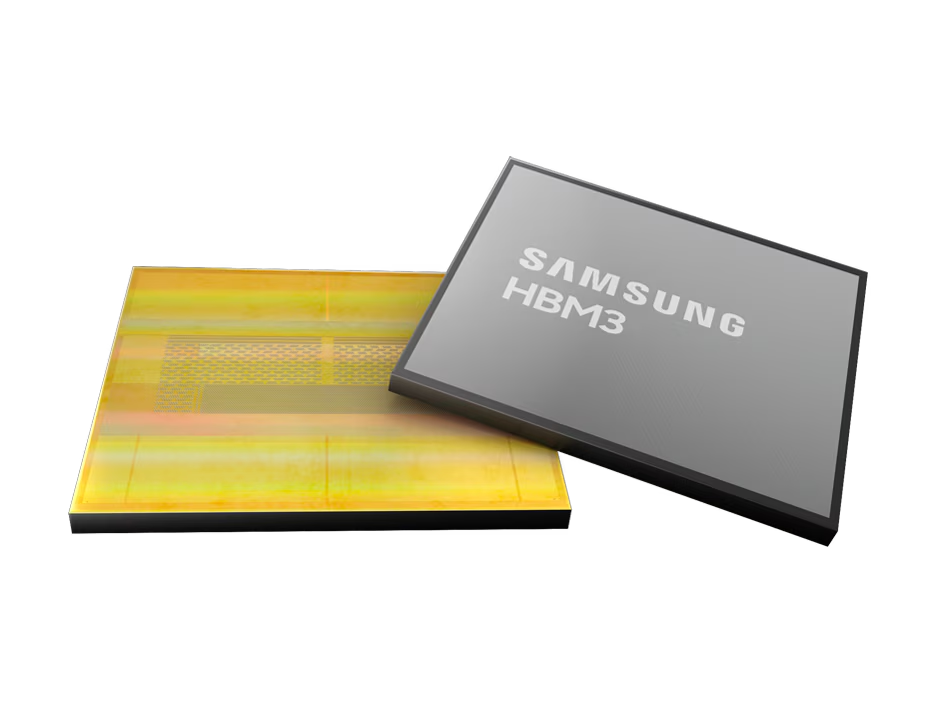
The development illustrates how the enormous sums American technology companies are investing in AI infrastructure are creating financial rewards far beyond Silicon Valley. Nvidia’s powerful processors rely on advanced memory to handle complex AI workloads, making manufacturers such as Samsung essential to the industry’s expansion. The resulting profits are now flowing beyond chip production and into shareholder dividends and stock repurchases.
Samsung’s financial performance explains the scale of the planned distributions.
The company estimated third quarter operating profit of 107.4 trillion won earlier this month, nearly nine times the 12.17 trillion won recorded a year earlier. The surge reflects an exceptionally strong semiconductor market, where demand for AI computing has transformed the earnings outlook for memory manufacturers.
Under Samsung’s existing policy, higher free cash flow means more money must be returned to shareholders. The company had already pledged to distribute 50% of the free cash flow generated between 2024 and 2026, making the current payout an extension of an established commitment rather than an entirely new strategy.
Samsung approved plans in August to return between $68 billion and $83 billion to shareholders in 2026, roughly five times its previous record of $15 billion in 2020.
The company distributed approximately $3.6 billion in dividends during the first half of this year. Its planned third quarter payment of $22 billion would bring cumulative cash dividends to nearly $26 billion, with the latest payment alone roughly 12 times larger than a typical recent quarterly distribution.
But investors are looking beyond the immediate cash payment.
Using the midpoint of Samsung’s projected annual shareholder returns, approximately $75 billion, the company would have around $49 billion remaining after its planned third quarter dividends.
Samsung plans to decide how to distribute those funds in January 2027, after its annual financial results are finalized. The options include additional dividends, stock repurchases and share cancellations.
How the company divides that money could matter as much as the overall amount.
Cash dividends provide investors with immediate income, while repurchases followed by share cancellations permanently reduce the number of outstanding shares. That can increase the ownership percentage represented by each remaining share.
Samsung is also preparing additional stock purchases intended for employee compensation, a separate initiative that could influence trading activity without necessarily producing the same long term benefits as share cancellations.
The company completed approximately $11 billion in stock repurchases on October 6, more than a month ahead of schedule. Industry expectations suggest it could buy another $22 billion or more in shares for employee performance bonuses, separate from the shareholder return program.
Those purchases could temporarily reduce the shares available for trading, potentially supporting Samsung’s stock price. However, shares eventually distributed to employees would not represent a permanent reduction in outstanding stock.
The distinction is particularly important as investors assess whether Samsung’s growing cash reserves will translate into lasting gains in shareholder value.
The larger question is whether the extraordinary distributions can continue after the current semiconductor boom.
According to FnGuide, a South Korean financial data provider that compiles analyst estimates, Samsung’s operating profit is projected to rise from $278 billion in 2026 to $411 billion in 2027, an increase of approximately 48%.
Revenue is expected to grow from $531 billion to $697 billion during the same period, potentially reaching $784 billion in 2028.
If those forecasts materialize, Samsung could have considerably more cash available to distribute even while continuing to invest in its semiconductor business.
Market estimates suggest the company could generate approximately $283 billion in free cash flow in 2027 and $258 billion in 2028, bringing the combined total to roughly $542 billion.
Maintaining the current policy of returning 50% of free cash flow would create approximately $271 billion in potential shareholder distributions over those two years.
That calculation, however, rests on an important assumption. Samsung has not committed to extending its existing shareholder return policy beyond 2026.
The company must also weigh shareholder distributions against the substantial investments required to remain competitive in advanced memory chips and other semiconductor technologies.
That balance will become increasingly important if the AI boom continues. Higher demand can generate enormous profits, but semiconductor manufacturing remains capital intensive, and earnings have historically fluctuated with changes in supply, demand and pricing.
Samsung’s unprecedented shareholder returns therefore present investors with two closely connected questions. How much of the wealth created by AI infrastructure spending will reach shareholders, and how much of that wealth can semiconductor manufacturers continue generating?
The October 29 earnings announcement is expected to clarify Samsung’s immediate dividend plans and potentially provide details of additional employee compensation buybacks. Decisions on the remaining shareholder returns will come in early 2027.
The larger test will be whether Samsung can turn an exceptional period of AI driven earnings into a sustained source of shareholder income, rather than allowing its record payouts to end with the semiconductor cycle.