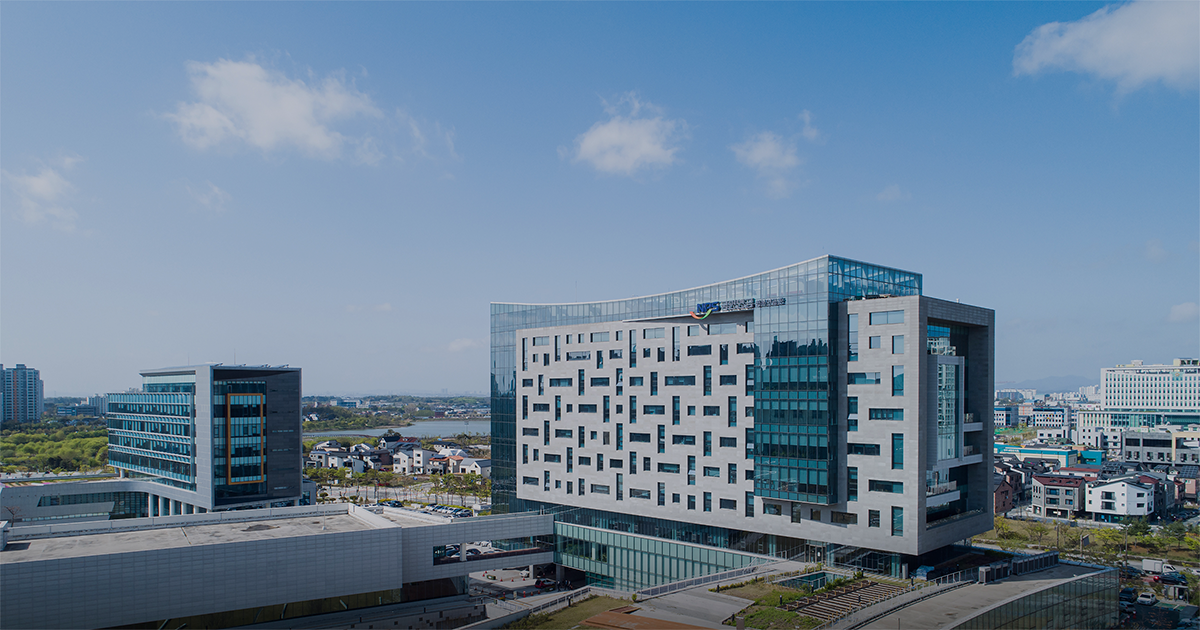
South Korea’s national pension fund, which invests workers’ retirement contributions to help finance future pension payments, has seen an estimated $136 billion wiped from the value of its major stock holdings in just over three months as the country’s stock market plunged.
The National Pension Service (NPS) invests in stocks and other financial assets to generate returns and grow the money available for future retirement benefits. It follows the same basic investment strategy used by major pension funds in the United States, where retirement assets are invested to earn long term returns rather than simply held in cash. But South Korea’s recent market collapse has exposed the risks of that approach, particularly when investment values depend heavily on a handful of large companies.
According to FnGuide, a South Korean financial data provider, the estimated value of the NPS’s holdings in more than 200 publicly traded companies in which it disclosed ownership stakes of at least 5% fell to approximately $250 billion as of Oct. 15, down from $385 billion at the end of June.
The decline was driven largely by two of South Korea’s biggest semiconductor manufacturers, SK Hynix and Samsung Electronics, which together accounted for more than $97 billion, or roughly 71% of the total reduction in the pension fund’s disclosed stock holdings.
SK Hynix, a major supplier of memory chips used in artificial intelligence systems, accounted for approximately $55 billion of the decline. Samsung Electronics, South Korea’s largest electronics manufacturer and another leading memory chip producer, contributed an additional $42 billion.
Both companies experienced steep declines in their share prices during the period. SK Hynix shares tumbled from $1,980 to $943, while Samsung Electronics stock dropped from $249 to $156.
The downturn marked the first quarterly decline in the market value of the pension fund’s disclosed equity holdings since the fourth quarter of 2024, ending six consecutive quarters without a decline.
The $136 billion reduction represents a decline in the market value of the NPS’s disclosed stock holdings rather than realized losses across its entire investment portfolio.
The figures nevertheless illustrate a central challenge facing pension fund managers. Investing retirement contributions in equities can generate substantial returns when markets rise, but those same investments can lose significant value when share prices fall. In South Korea’s case, the sharp decline in just two semiconductor companies accounted for most of the damage to the pension fund’s major domestic stock holdings.