South Korea’s push to build a semiconductor hub and expand artificial-intelligence infrastructure is creating new opportunities for U.S.
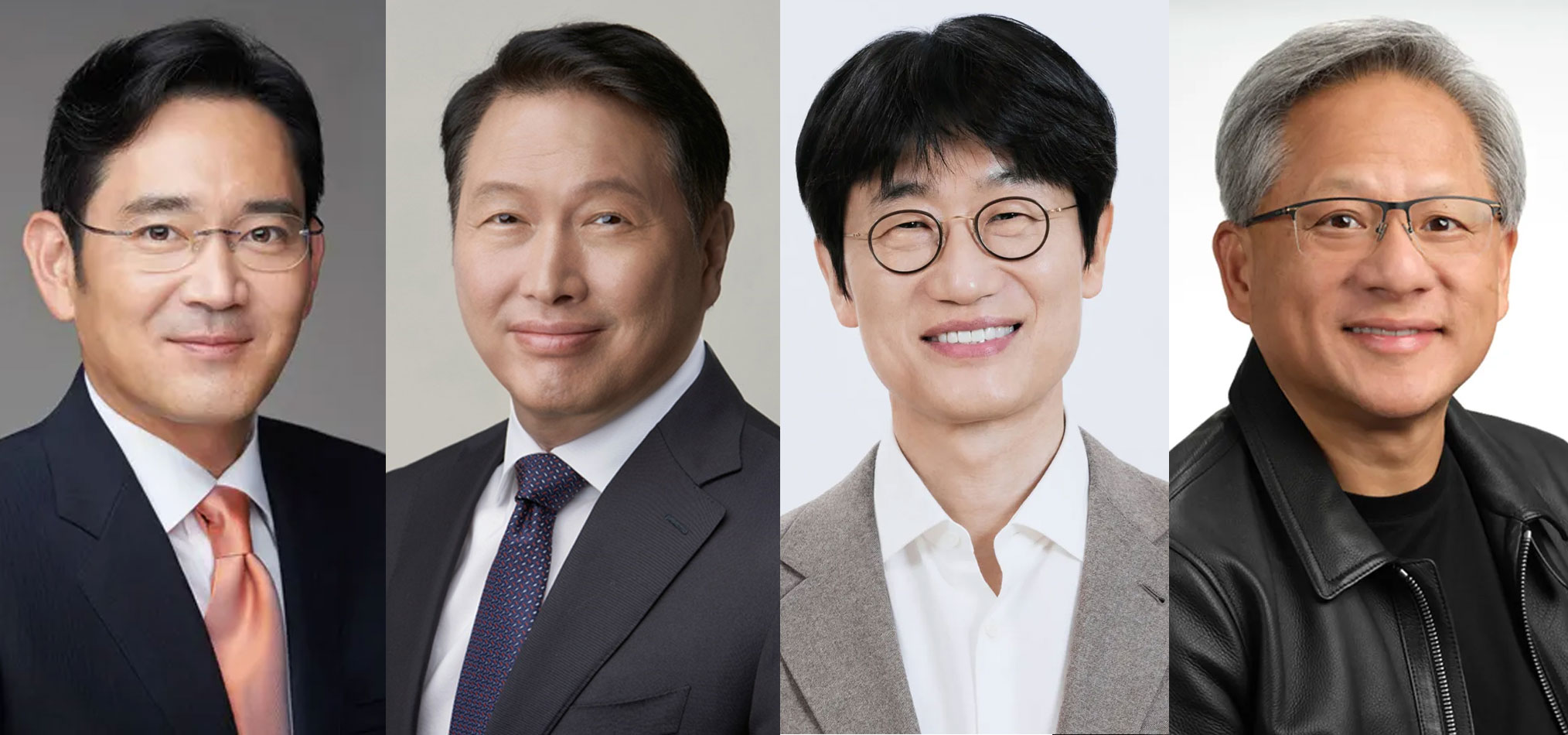
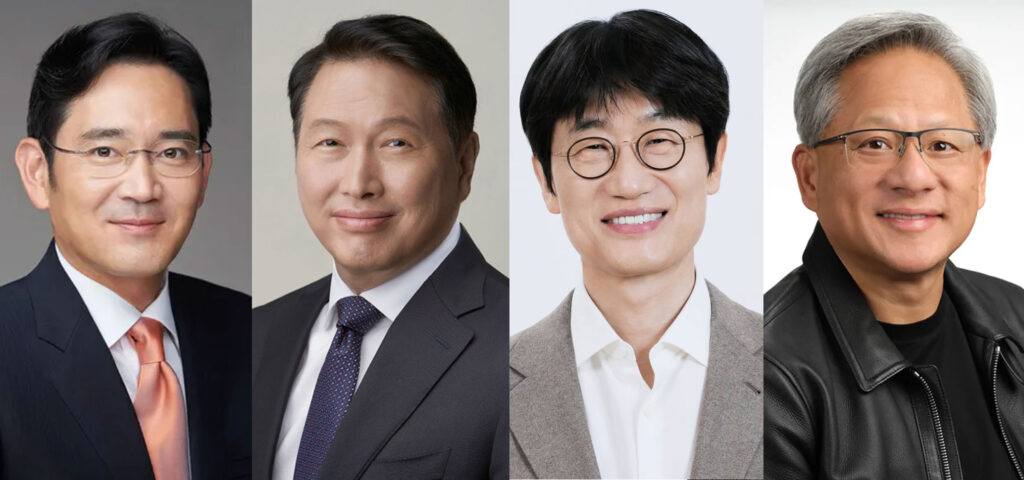
technology companies and investors, as President Lee Jae Myung steps up private talks with the country’s biggest corporate leaders. Mr. Lee met SK Group Chairman Chey Tae-won over dinner last week and is expected to meet Hyundai Motor Group Chairman Chung Euisun and Samsung Electronics Executive Chairman Lee Jae-yong this week, according to people familiar with the matter.
The outreach comes as Seoul prepares to pursue three flagship projects that could reshape the country’s industrial landscape: a semiconductor cluster in the southwestern Honam region, development of physical AI and a nationwide expansion of AI data-center infrastructure.
For U.S. investors, the projects offer a window into how South Korea plans to deploy public support alongside some of the world’s largest corporate capital-spending programs. The initiatives could increase demand for advanced chips, data-center equipment, power infrastructure, robotics and other technologies needed to support the next phase of AI investment.
The meetings also reflect a growing effort by the Lee administration to bring companies more directly into its economic strategy. Mr. Lee’s engagement with corporate leaders has accelerated since his visit to the U.S. last month, where he joined companies in announcing what the government called the “AI San Francisco Declaration.”
The three projects are among the administration’s priorities for Mr. Lee’s second year in office. Their success will depend heavily on coordination between the government and companies, particularly as businesses confront issues involving infrastructure, regulation, permitting and investment costs.
Samsung and SK Group have pledged combined investments exceeding $2.9 trillion, based on current exchange rates, highlighting the enormous scale of the industrial policy push. The commitments also make the projects significant for suppliers and technology companies seeking to participate in South Korea’s expanding semiconductor and AI ecosystem.
Mr. Lee’s private meetings with executives are intended to create a setting for more candid discussions about obstacles facing businesses and requests for government support, according to a ruling-party official.
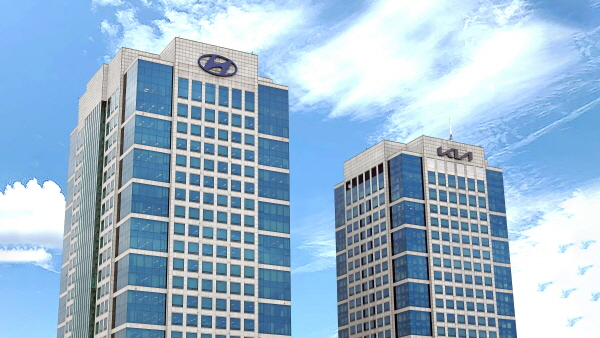
Keeping the meetings private may also allow both sides greater flexibility. The presidential office declined to confirm whether Mr. Lee would meet with Hyundai Motor Group’s Chung, saying on Aug. 24 that it could not comment on private schedules.
The president is expected to use the meetings to hear directly from executives about difficulties in implementing the mega-projects and measures the government could take to accelerate investment.
For investors, the critical issue will be whether Seoul can translate ambitious investment pledges into projects that move quickly from announcements to construction and procurement. The outcome could determine how much of South Korea’s planned spending flows into AI infrastructure, advanced semiconductors, robotics and next-generation manufacturing—and how much of that opportunity reaches global suppliers.