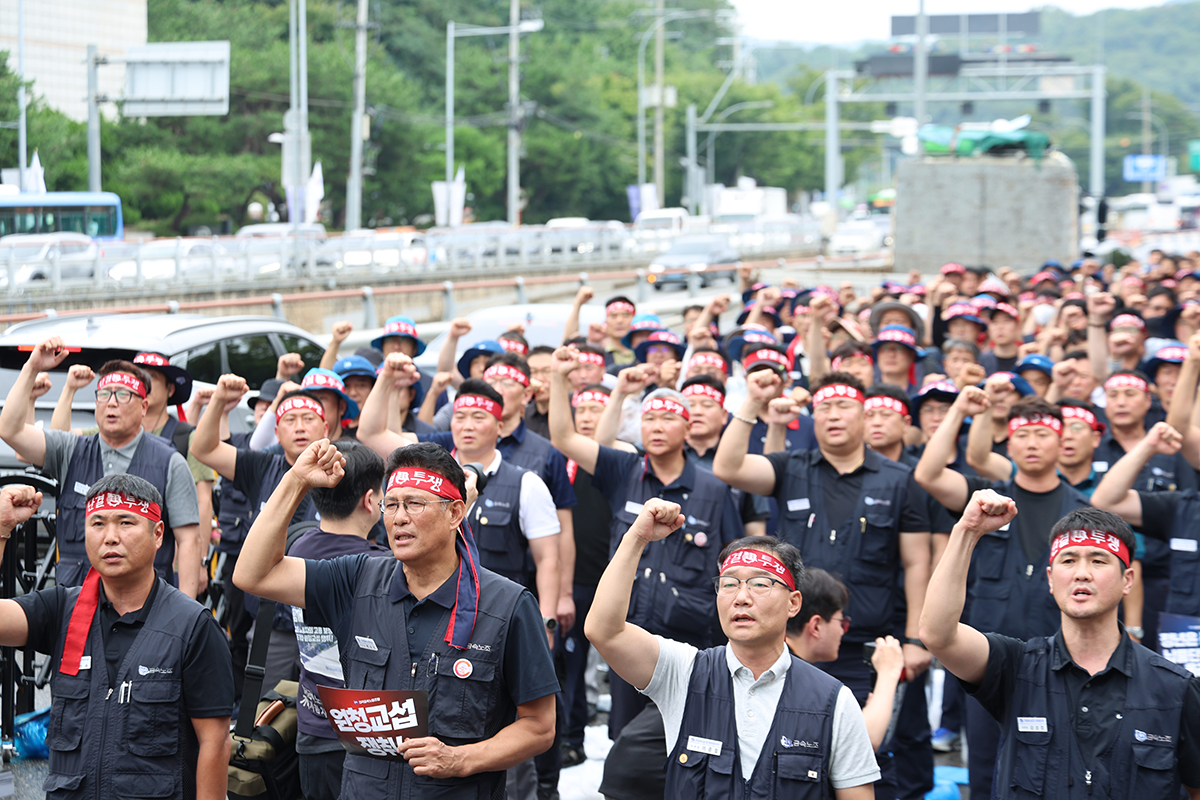
Hyundai Motor, South Korea’s largest automaker and the flagship company of Hyundai Motor Group, has reached a tentative wage agreement with its union after months of labor unrest disrupted tens of thousands of vehicles at its domestic factories.
The deal matters outside South Korea because Hyundai’s Korean plants remain a central part of the manufacturing system behind its global vehicle business. The company sells vehicles across major markets including the U.S., meaning prolonged shutdowns at its home production base can create broader risks for vehicle output, new model launches and the parts suppliers tied to Hyundai’s manufacturing network.
Those risks had already become expensive. South Korea’s auto industry estimates that the strikes disrupted production of about 55,200 vehicles, resulting in more than $1.6 billion in lost or delayed sales based on average vehicle selling prices. Ending the dispute would allow Hyundai to turn its attention back to production and new vehicle launches during the second half of the year rather than absorb further losses from factory stoppages.
Hyundai and the union reached the tentative agreement Aug. 25 after two days of negotiations at the company’s Ulsan plant. The settlement came 111 days after formal negotiations began May 6 and will become final if union members approve it in an Aug. 31 vote.
Under the proposal, workers would receive a performance bonus equal to 400% of monthly base pay plus an additional $9,200. Monthly base pay would rise by about $72, while workers would also receive 15 Hyundai Motor shares, roughly $360 in welfare points and an increase of about $145 in summer vacation allowances.
Hyundai also agreed to hire 500 additional production workers, including 200 in the second half of next year and another 300 in 2028.
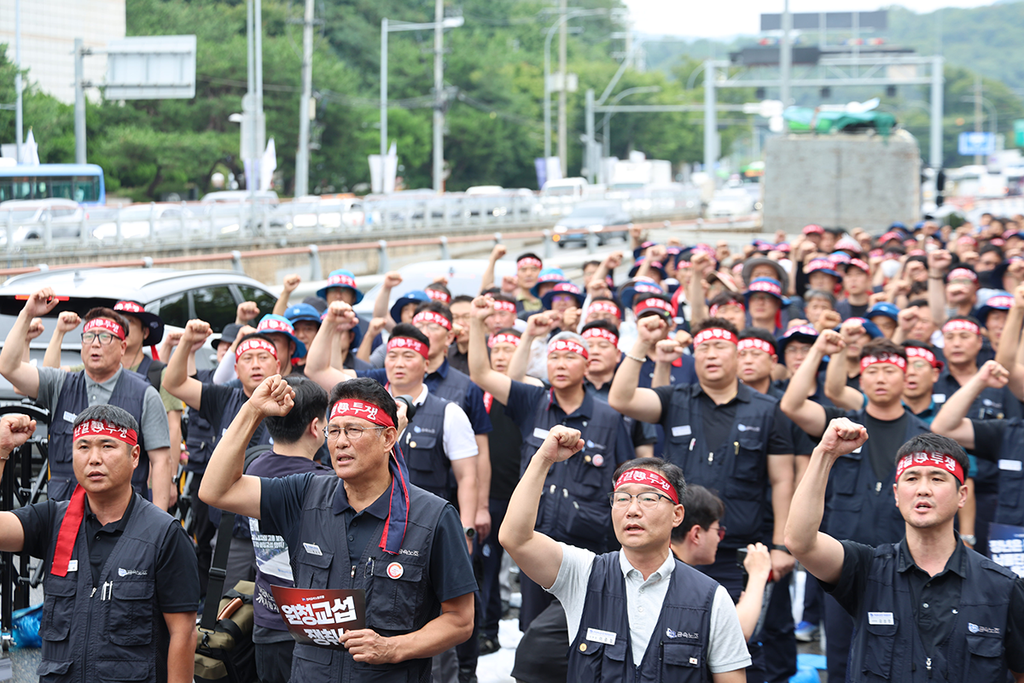
The size of the compensation package follows a labor dispute that became increasingly costly for both sides. Union members staged strikes for a second consecutive year, beginning with two hour walkouts from July 13 through July 15 before continuing intermittent stoppages.
The dispute escalated Aug. 21 when workers staged an eight hour full scale strike, Hyundai’s first in a decade. Union members accumulated 60 hours of strike action this year. Because morning and afternoon shifts stopped work separately, however, the company’s production lines were halted for a combined 120 hours.
Pressure to settle increased as the effects spread beyond Hyundai’s own factories. Parts suppliers accumulated production disruptions, while striking employees lost income under South Korea’s no work, no pay principle. Continuing the confrontation therefore meant mounting costs for the company, its suppliers and its workers.
Some of the most contentious labor issues were postponed rather than resolved. The union’s demand for higher regular bonuses will return to negotiations next year.
Hyundai also agreed that if South Korean law is changed to extend the retirement age, the company would implement the extension without expanding its wage peak system, which reduces compensation for some employees approaching retirement.
The automaker will also withdraw 10 provisional asset seizure actions connected to damages claims it had filed over what it described as illegal conduct during previous union activities.
Beyond wages and production losses, the agreement addresses a larger question about what Hyundai’s factories will look like as manufacturing becomes more automated.
Management and the union agreed that physical AI, robotics and other emerging technologies are necessary for Hyundai’s future competitiveness and survival. The company will share information about new businesses and technologies as they develop, while management and labor agreed to cooperate as manufacturing systems change.
That provision gives the settlement significance beyond this year’s wage negotiations. Hyundai is committing to hundreds of new factory jobs while simultaneously preparing to introduce technologies that could change production processes, productivity and the kinds of work performed by employees.
The issue is also becoming increasingly important across global manufacturing as companies seek to use AI and robotics to improve productivity without destabilizing the workforces needed to operate existing factories. Hyundai’s agreement does not settle how automation will ultimately affect employment, but it establishes a process for management and labor to address those changes together.
Hyundai and the union said they will now focus on recovering from the strikes, restoring production and preparing for new vehicle launches during the second half of the year. The company apologized for the disruption caused to shareholders, customers and parts suppliers.
If union members approve the deal, Hyundai will have removed an immediate production risk after 111 days of negotiations and more than $1.6 billion in estimated sales disruption.
The next challenge will be maintaining that labor stability as the South Korean automaker pushes its factories deeper into an era of AI, robotics and increasingly automated vehicle production.