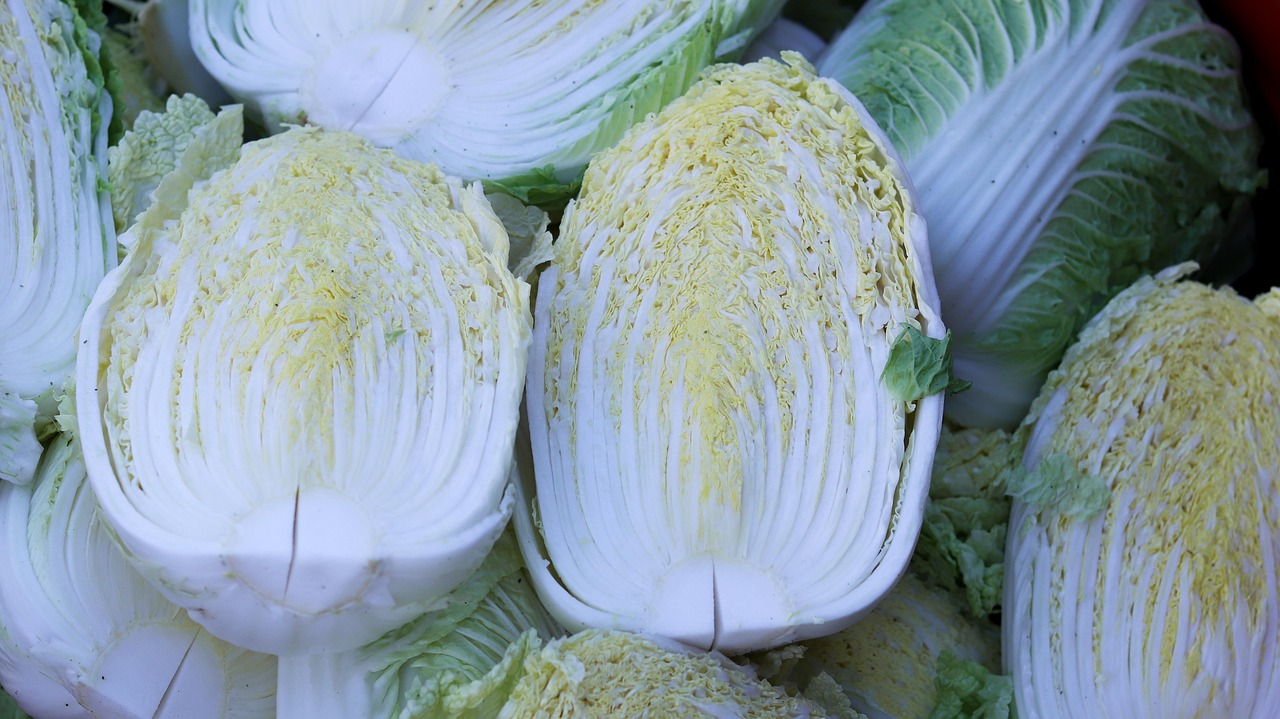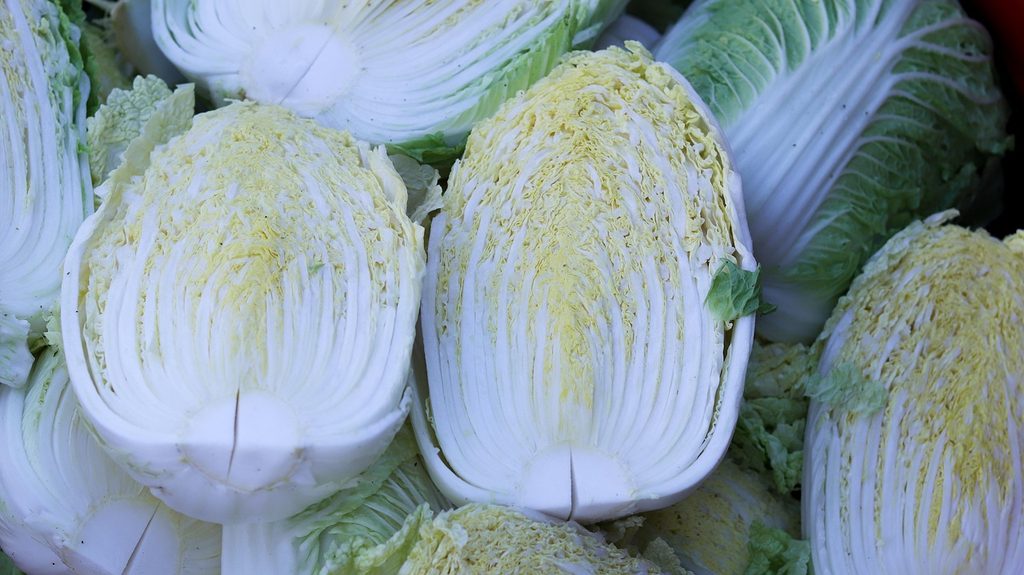
South Korea has tightened inspections of cabbage imported from China after reports that formaldehyde was used to preserve freshness in some rural areas of the country.
Formaldehyde is an industrial chemical used for purposes including disinfection and the preservation of biological tissue, and the International Agency for Research on Cancer classifies it as a Group 1 carcinogen. Because South Korea imports agricultural products from China, the discovery has become more than a domestic Chinese food safety issue.
The case highlights a risk that comes with cross border sourcing of fresh food.
Agricultural importers depend on suppliers to maintain safety standards before products reach the border, but a problem at the production or distribution stage can force regulators to increase testing before they know whether the affected goods were ever exported. For importers, tighter inspections can also mean more compliance requirements and greater pressure to trace products back through their supply chains.
The controversy began after formaldehyde was found to have been used on cabbage in parts of rural China to keep the vegetable fresh during distribution. China’s central government responded by ordering a special investigation and directing authorities to trace where the affected cabbage was sent. Officials are also conducting sample testing and market inspections in regions across the country.
South Korea’s Ministry of Food and Drug Safety, the country’s food safety regulator, is now trying to determine whether cabbage connected to the case was exported to Korea. The agency said it is checking through channels including the Chinese Embassy.
The regulator has also strengthened inspections of Chinese cabbage at customs. Shipments are now tested for formaldehyde three times for each packing location, and the agency said it would take additional measures if further information becomes available.
The immediate concern is whether any cabbage linked to the Chinese investigation entered South Korea. The broader business question is whether the episode leads to more intensive scrutiny of Chinese agricultural imports, which could increase the importance of supplier oversight, product traceability and compliance for companies moving fresh food across the border.
The scare could push South Korea to take a harder look at how agricultural products from China are inspected before they reach consumers, potentially adding more regulatory friction to a supply chain that depends on fresh goods moving quickly from producers to market.