
South Korea is expanding its search for long-term economic partners beyond its traditional relationships with the United States, China and Europe, turning to Brazil as it seeks to secure critical mineral supplies, strengthen its aerospace industry and broaden global markets for its consumer brands.
The strategy reflects Seoul’s effort to reduce supply chain risks while creating new industrial partnerships in sectors expected to drive future economic growth.
During a state visit to Brazil, South Korean President Lee Jae Myung said the two countries should focus on three areas where cooperation could produce tangible results: jointly developing next-generation commercial aircraft, strengthening supply chains for critical minerals and expanding the global reach of K-beauty, South Korea’s cosmetics and skincare industry.
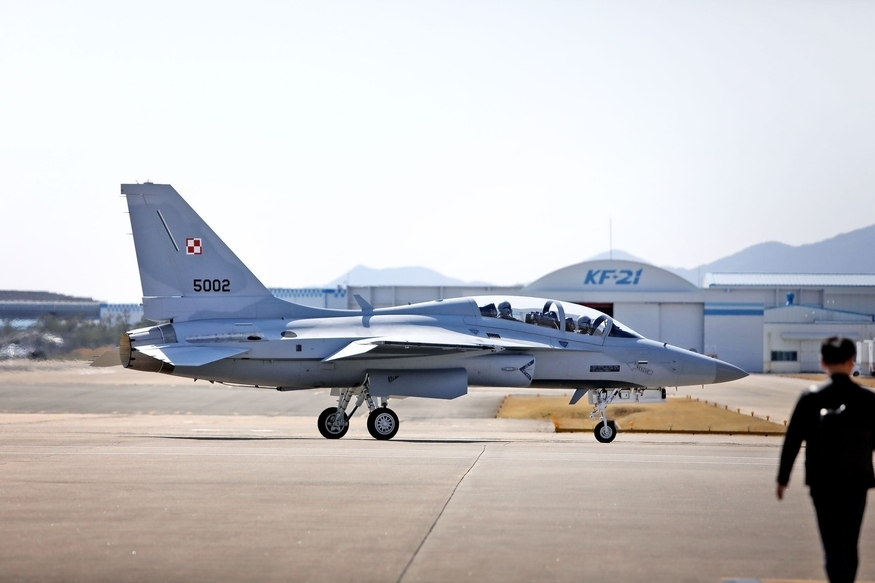
Brazil has become increasingly attractive to South Korea because it offers assets that are difficult to find in a single partner. The country possesses large reserves of lithium, nickel and iron ore, minerals essential for semiconductors, electric vehicles and other advanced manufacturing industries. It is also a global leader in renewable energy and home to Embraer, one of the world’s largest commercial aircraft manufacturers, giving Brazil an established aerospace industry that complements South Korea’s advanced manufacturing capabilities.
South Korea, meanwhile, has built global leadership in semiconductors, automobiles, batteries and shipbuilding but has been seeking to expand its presence in civilian aerospace manufacturing. Lee said combining South Korea’s technological expertise with Brazil’s industrial capabilities and natural resources could create more resilient supply chains while allowing both countries to compete more effectively in future industries.
Speaking at the Korea-Brazil Business Roundtable in São Paulo, Lee said businesses from both countries have an opportunity to become partners in building a stronger aviation industry, more secure supply chains and a larger global beauty business. He added that the Strategic Partnership established between South Korea and Brazil earlier this year should lead to practical industrial projects rather than remain only a diplomatic framework.
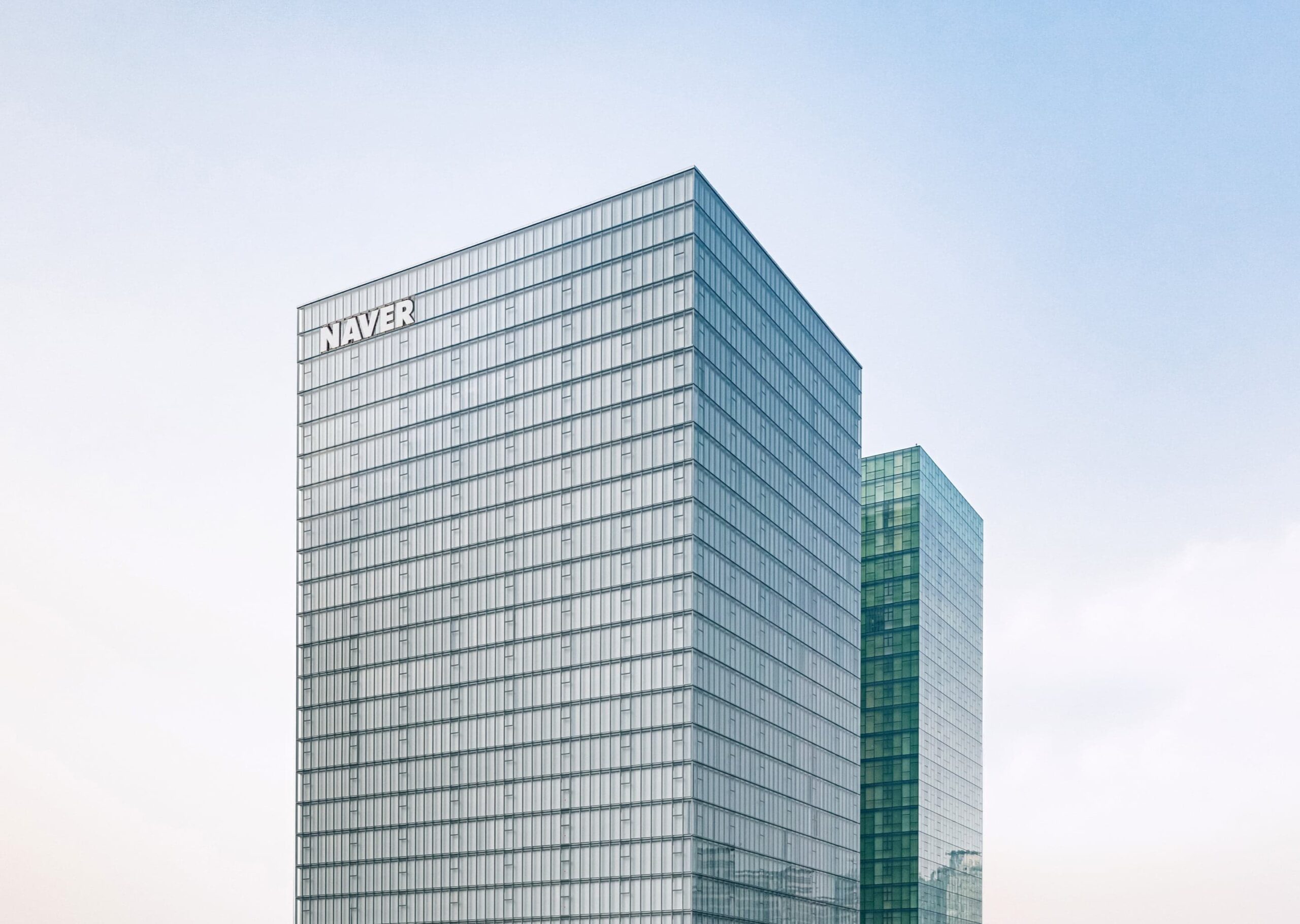
The meeting drew executives from many of South Korea’s largest companies, including Hyundai Motor Group, one of the world’s largest automakers; Samsung Electronics, the world’s largest memory chip manufacturer; POSCO Group, one of the world’s leading steelmakers; LG Electronics, a global consumer electronics manufacturer; SK Biopharmaceuticals, a South Korean biotechnology company; Hanwha Ocean, one of South Korea’s largest shipbuilders; HD Construction Equipment, a heavy equipment manufacturer; NAVER, South Korea’s largest internet platform company; and Korean Air, the country’s flagship airline.
Brazilian Vice President Geraldo Alckmin said cooperation between the two countries could also expand into semiconductors, shipbuilding, biotechnology, digital industries and manufacturing infrastructure. He added that Brazil has begun internal discussions aimed at strengthening ties between Mercosur, South America’s largest trade bloc, and South Korea.
Alckmin also pointed to growing uncertainty created by unilateral tariffs and increasingly fragile global supply chains. He said Brazil and South Korea should deepen their strategic partnership through greater technology transfers, engineering exchanges and industrial cooperation while supporting an open, rules-based trading system.
For South Korea, the outreach to Brazil represents more than a diplomatic visit. It reflects a broader shift in the country’s industrial strategy as Seoul seeks partners that can provide both the natural resources needed for advanced manufacturing and access to new markets beyond its traditional economic relationships.