Seoul homeowners have been flooding real-estate brokerages with calls since the South Korean government unveiled its tax overhaul on August 3, asking whether they should sell their homes, how much they could get for them and how much their tax bills could rise.
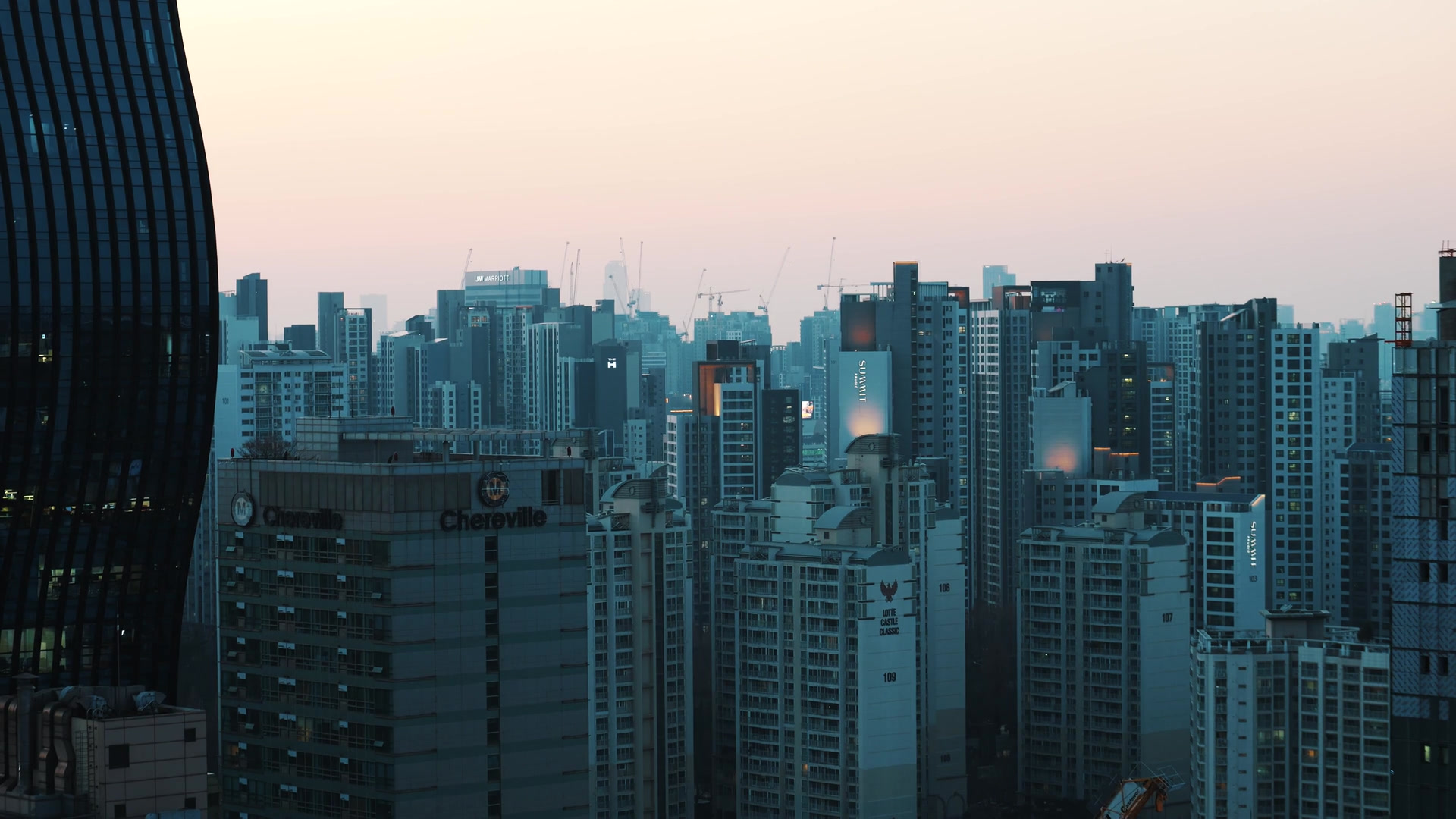
The rush has been particularly intense in Seoul’s affluent southern districts, where owners of high-value apartments face potentially higher property taxes and less favorable treatment under capital-gains tax rules.
“We’re getting dozens of calls a day from homeowners asking how much their taxes will increase and whether they should sell,” said a real-estate agent in Banpo, an affluent neighborhood in Seoul. Many callers bought small apartments 20 or 30 years ago and have lived in them while waiting for redevelopment, the agent said. They are now worried that the tax burden could become too expensive to bear.
Owners who don’t live in their properties have been especially unsettled. An agent in Daechi-dong, another affluent Seoul neighborhood, said some long-term homeowners are concerned that a proposed $710,000 cap on the capital-gains tax deduction for long-term ownership could hurt people who have held properties for decades without engaging in speculative trading.
The tax changes are already reshaping the supply of homes for sale.
The number of apartment listings in Seoul rose 3.4% to 62,516 on August 9 from 60,409 on August 3, according to Asil, a South Korean real-estate data provider.
Listings in Seocho rose 6.1% to 8,098, while those in Gangnam increased 5% to 9,934. Listings also rose in Yeongdeungpo, Yongsan and Gwangjin.
In redevelopment areas such as Apgujeong, some homeowners have begun listing apartments for hundreds of millions of won below prevailing market prices, according to local brokers.
That is raising the prospect of renewed downward pressure on apartment prices. Prices had been recovering after South Korea imposed higher capital-gains taxes on owners of multiple homes on May 10, but the emergence of discounted listings could interrupt that recovery.
The bigger problem, brokers say, is that buyers are disappearing.
Even if some capital-gains tax rules are temporarily eased, strict lending restrictions are making it harder for prospective buyers to finance purchases. Higher property taxes are also discouraging buyers from taking on expensive homes.
“Some homeowners could be facing property-tax bills in the hundreds of millions of won,” said an agent in Apgujeong. “Even people with plenty of cash would have trouble accepting that immediately.”
Buyer inquiries have virtually disappeared since the tax plan was announced, the agent said. Homeowners are putting properties on the market without knowing whether they will find a buyer—or what price a buyer might accept.
At the same time, the tax overhaul is prompting some landlords who don’t live in their properties to move in themselves. Living in a property can improve their tax treatment under rules governing property taxes and capital gains.
That is tightening Seoul’s rental market.
In Banpo, landlords of newly completed apartment buildings are withdrawing rental listings as they prepare to occupy their homes. At Raemian Tree One, a 2,091-unit complex that began accepting residents this month, brokers say more owners are pulling apartments from the rental market before leases are signed.
“Four or five of our clients had planned to rent out their apartments because they were short of cash for the final payment,” said the head of a local brokerage. “They are now finding ways to raise the money and move in themselves, even if it puts financial pressure on them.”
Other landlords are raising rents to offset higher taxes.
At the Raemian One Bailey complex in Banpo, asking prices for lease deposits on apartments of about 904 square feet have risen to roughly $1.7 million to $1.8 million after weakening as new apartment supply came onto the market. At Raemian Tree One, lease deposits for apartments of about 646 square feet have climbed to roughly $930,000 to $1.1 million after less expensive units were quickly taken.
South Korea’s housing market commonly uses a large upfront lease deposit system known as jeonse, rather than conventional monthly rent. Tenants typically pay a substantial deposit to the landlord and receive most or all of it back when the lease ends.
Landlords elsewhere in Seoul are also seeking ways to increase rental income.
“Since the tax plan was announced, we’ve been getting calls from landlords who want to convert lease deposits into monthly rent or raise existing rents,” said a real-estate agent in Jamsil. “The higher property-tax burden will inevitably be passed on to tenants.”
The push by landlords to occupy their own properties is spreading beyond Seoul’s wealthiest neighborhoods.
In Oksu-dong, some homeowners who already satisfy the two-year owner-occupancy requirement for capital