Hyundai Motor and Kia are finding different paths to growth in the global shift toward cleaner vehicles, with Hyundai leaning heavily on hybrids in the U.S. while Kia gains ground with electric vehicles in Europe.
The two South Korean automakers exported 591,471 electrified vehicles, including hybrids, battery electric vehicles and hydrogen vehicles, from January through July this year, up 22.3% from the same period a year earlier, according to the Korea Automobile and Mobility Association, an industry group representing South Korea’s auto sector.
Hybrid exports rose 26.4% to 429,416 vehicles, while EV exports increased 12.7% to 162,016.
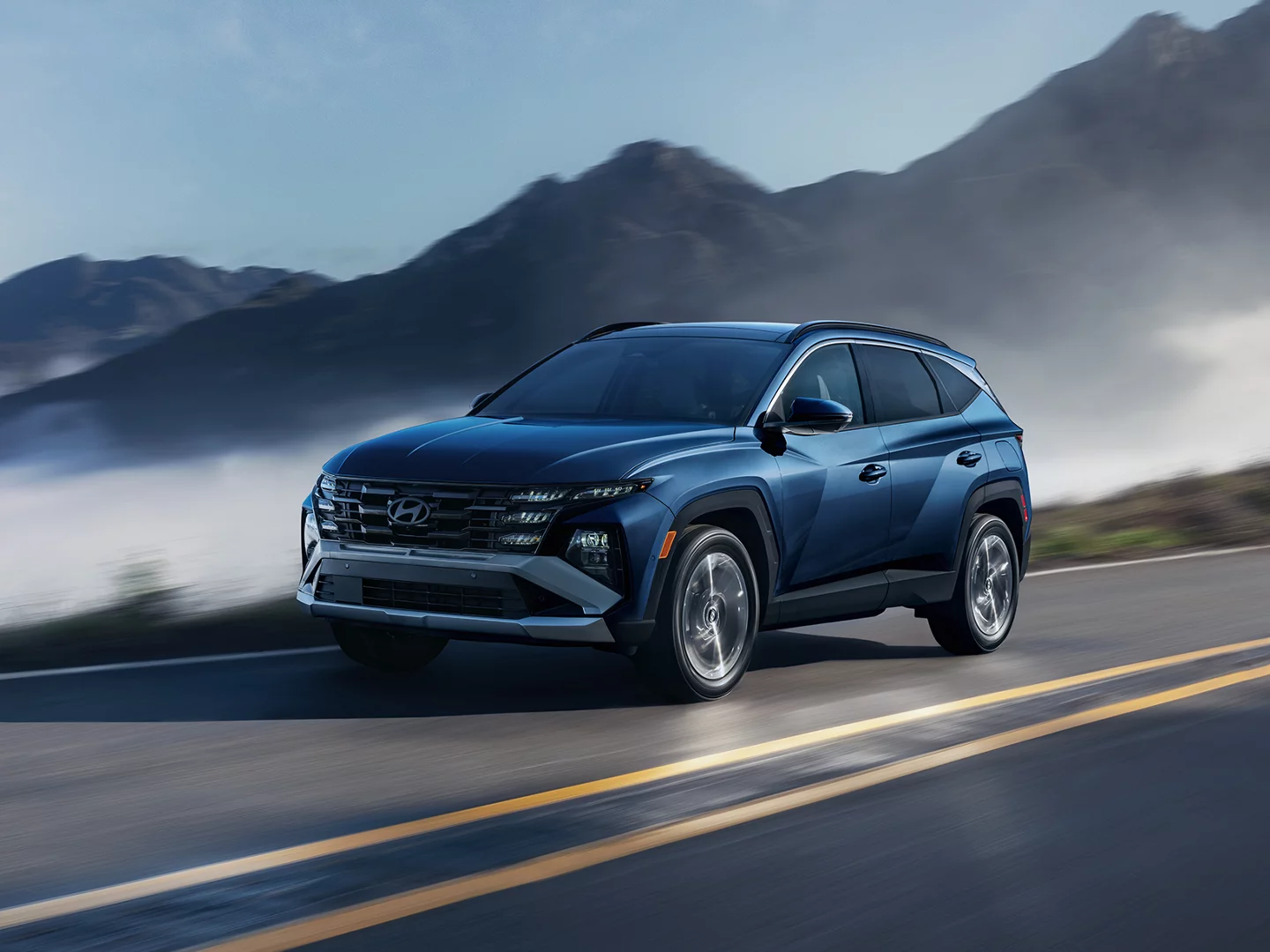
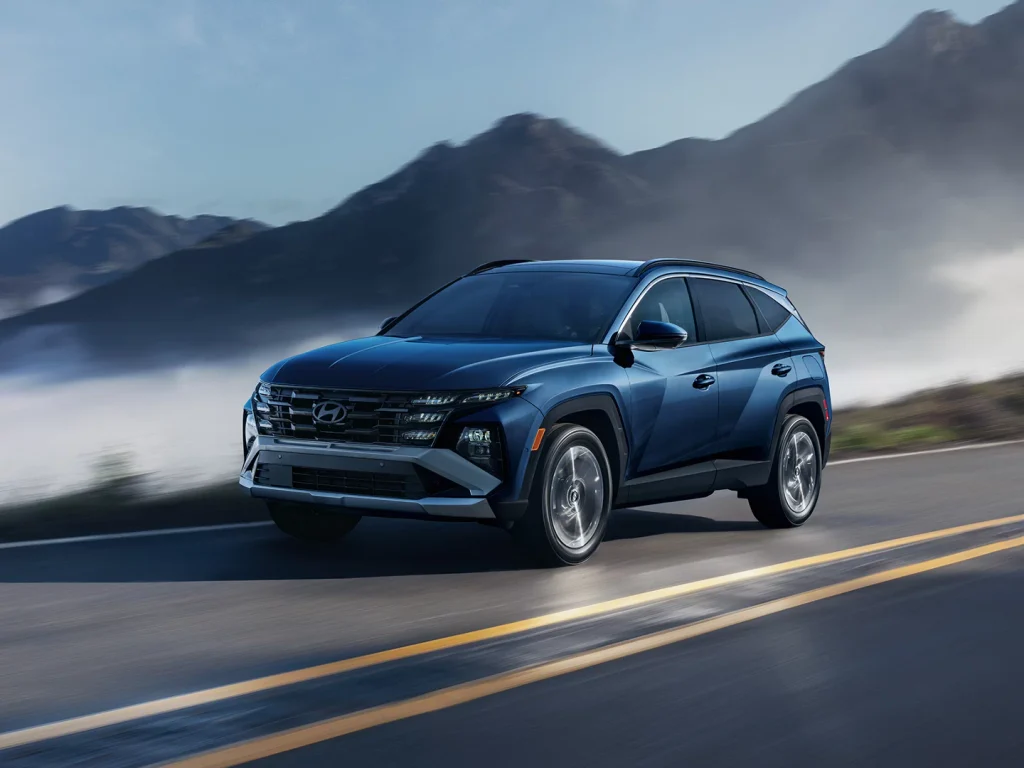
The sharpest change came in the U.S., where Hyundai Motor, South Korea’s largest automaker and the flagship company of Hyundai Motor Group, shipped 121,027 hybrid vehicles during the seven month period. That was up 70.1% from a year earlier, the strongest increase among its major export regions.
The U.S. now accounts for 49.4% of Hyundai’s hybrid exports, up from 40.2% a year earlier. Hyundai exported 244,761 hybrids worldwide, an increase of 38.2%, compared with Kia’s 184,655 vehicles, up 13.6%.
The numbers show how quickly automakers are adjusting their product strategies as U.S. buyers increasingly turn to hybrids. U.S. hybrid demand has risen roughly 20% this year, according to industry estimates, with Hyundai Motor Group and Toyota among the biggest beneficiaries because both already offer broad hybrid lineups.
The shift has become more important after U.S. federal incentives that had supported EV purchases were withdrawn last year. Rather than relying only on fully electric vehicles, Hyundai has been expanding hybrid offerings to capture buyers who want better fuel economy without depending entirely on charging infrastructure.
Hyundai plans to broaden that strategy by introducing hybrid models under Genesis, its luxury vehicle brand, as it seeks a larger share of the U.S. electrified vehicle market.
Kia, another South Korean automaker within Hyundai Motor Group, is taking a different route in Europe.
Kia exported 103,823 EVs from January through July, up 34.3% from a year earlier. Hyundai’s EV exports, by comparison, fell 12.4% to 58,193 vehicles.
Europe accounted for most of Kia’s gains. The company shipped 80,428 EVs to the region, an increase of 44.7%, giving Europe 77.5% of Kia’s total EV exports, up from 71.9% a year earlier.
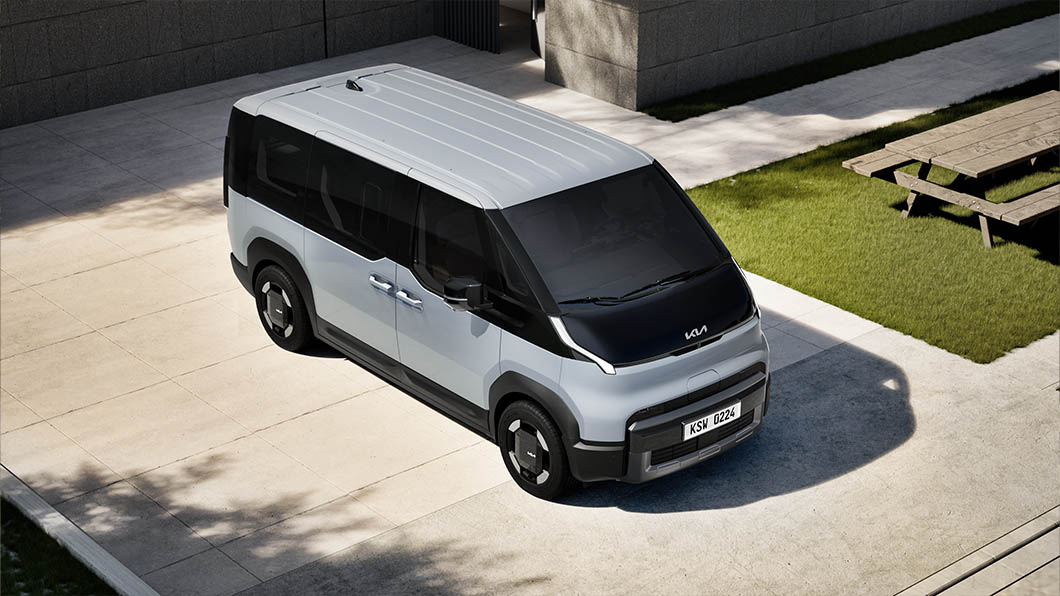
Kia has expanded its European lineup with more affordable electric models including the EV2, EV4 and EV5, along with the PV5, its first purpose built vehicle designed for uses such as commercial transport and mobility services. The company has positioned those vehicles to capture demand as European consumers respond to high fuel costs and a growing selection of lower priced EVs.
Hyundai has faced a tougher market. Its EV exports to Europe fell 7.2% to 43,648 vehicles as Chinese automakers intensified competition, particularly in smaller and more affordable vehicle segments.
Hyundai Chief Financial Officer Lee Seung jo said during the company’s second quarter earnings call that Hyundai lacked a B segment EV capable of directly responding to the increasingly aggressive push by Chinese automakers in Europe.
The company is now preparing the Ioniq 3, a smaller EV developed for the European market. Hyundai plans to begin rolling out the model in the second half of this year and is targeting annual sales of more than 40,000 units beginning next year.
The diverging results highlight how Hyundai Motor Group is adapting to two very different auto markets. In the U.S., hybrids are becoming a larger bridge between gasoline vehicles and full electrification. In Europe, where competition in affordable EVs is intensifying, Kia is pushing deeper into the battery electric market while Hyundai works to fill a gap in its lineup.