South Korea’s rapid currency rally is creating a widening divide across the country’s stock market, favoring businesses with heavy dollar costs while squeezing exporters. For U.S. investors, the shift is turning foreign-exchange exposure into a more important factor in Korean equity valuations, with airlines and steelmakers gaining an edge as automakers and semiconductor producers face margin pressure.
The won strengthened to as much as 1,345 per dollar on September 4, its strongest level since October 8, 2024. It has risen about 15.9% from its July 1 peak of 1,599.2 won per dollar, a sharp reversal from expectations earlier this summer that the dollar could remain above 1,500 won.
The rally has been driven partly by strong semiconductor exports and a growing supply of dollars from Korean companies. Expectations that the won could strengthen further are encouraging exporters to convert their dollar earnings sooner, reinforcing the currency’s gains.
The pace of the move is creating as much concern as the exchange rate itself. Pension funds, exporters and individual investors are having to adjust the timing of foreign-currency transactions as the won moves faster than many had expected.
“The current exchange-rate level is reasonable, but the pace of the decline has been excessive,” said Moon Da-woon, an analyst at Korea Investment & Securities. He said the low-to-mid 1,300-won range could still be justified by economic growth, the current-account balance and interest-rate expectations.
Currency forecasts are also moving lower. Park Sang-hyun, an analyst at iM Securities, previously expected the dollar to trade at 1,350 won at the end of September and 1,300 won at year-end. He now expects the won to approach the 1,300 level sooner than previously forecast.
Kwon A-min, an analyst at NH Investment & Securities, said the market should allow for the dollar to fall toward the low 1,300-won range as companies supply more dollars than expected.
The currency rally is already showing up in sector performance.
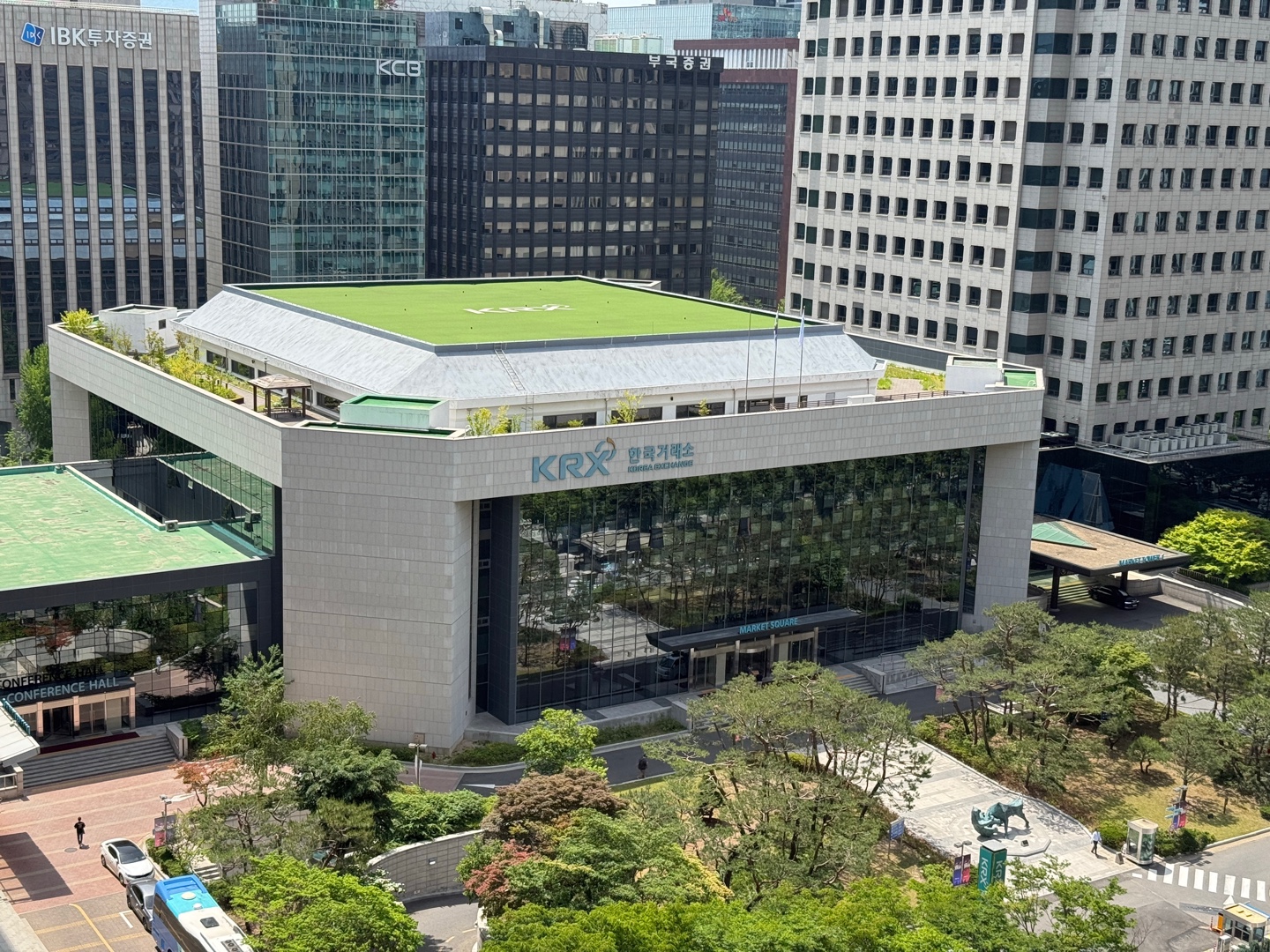
The KRX Transportation Index rose 13.8% in the third quarter through September 6, making it the best-performing sector index on the Korea Exchange. Airlines have been among the biggest beneficiaries because jet fuel is priced in dollars. A stronger won lowers the local-currency cost of fuel, helping offset higher oil prices.
Steelmakers are benefiting from a similar dynamic. The KRX Steel Index climbed 11.7% during the quarter. Steel producers purchase key raw materials, including iron ore and coking coal, in dollars, making their input costs cheaper in won terms as the currency strengthens.
For investors, these industries offer a natural hedge against a stronger won because their dollar expenses rise less in local-currency terms.
The same currency move is working against South Korea’s export-heavy industries.
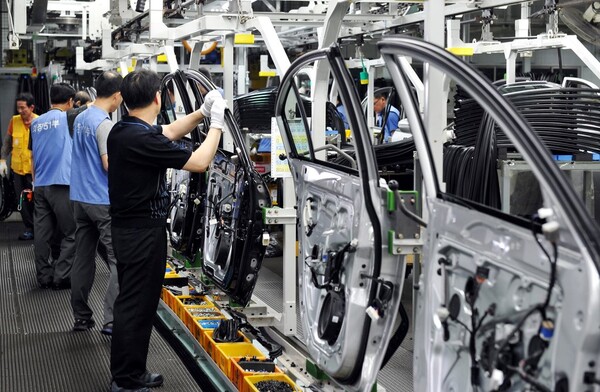
The KRX Automobile Index has dropped 10.2% in the third quarter. Automakers generate a large share of their revenue overseas, so a stronger won reduces the value of dollar sales when translated into the Korean currency.
Semiconductor companies face a similar exposure. Citigroup recently cut its price targets for SK hynix and Samsung Electronics to 430,000 won and 3 million won, respectively, citing the currency’s impact on earnings.
Nomura Securities estimates that Korean memory-chip makers receive most of their payments in dollars while about 20% of revenue is spent on costs denominated in won. A 10% appreciation in the won could reduce operating profit by roughly 12% in the short term, the brokerage said.
That makes currency movements an increasingly important consideration for investors even as strong global demand for memory chips supports the industry’s underlying growth.
The government’s handling of funds raised by SK hynix through an American depositary receipt program could provide a counterweight to the won’s rise.
Foreign-media reports and foreign-exchange market participants have said the government purchased about $20 billion of the $26.5 billion raised through the ADR issuance using the Foreign Exchange Stabilization Fund in over-the-counter transactions.
If accurate, the transactions would have prevented a large amount of dollars from entering the spot market at once, reducing downward pressure on the dollar and slowing the won’s appreciation.
“The bulk of the ADR proceeds has been transferred to the Foreign Exchange Stabilization Fund and remains part of the government’s foreign-currency assets,” said Lee Min-hyuk, an analyst at KB Kookmin Bank. The additional foreign-currency reserves have strengthened the government’s ability to respond to market volatility, he said.
For U.S. investors, the next phase of the currency rally could matter as much as the level itself. A gradual move toward 1,300 won per dollar could continue to benefit companies with dollar-based costs, while a rapid appreciation could put further pressure on the earnings of Korean exporters.
The widening gap between currency winners and losers is making foreign-exchange sensitivity a key investment consideration in South Korea’s equity market.