
South Korea is preparing to revisit its real-estate tax regime as the government considers raising taxes on owners of multiple homes in an effort to rein in speculation and cool a housing market that has begun climbing again.
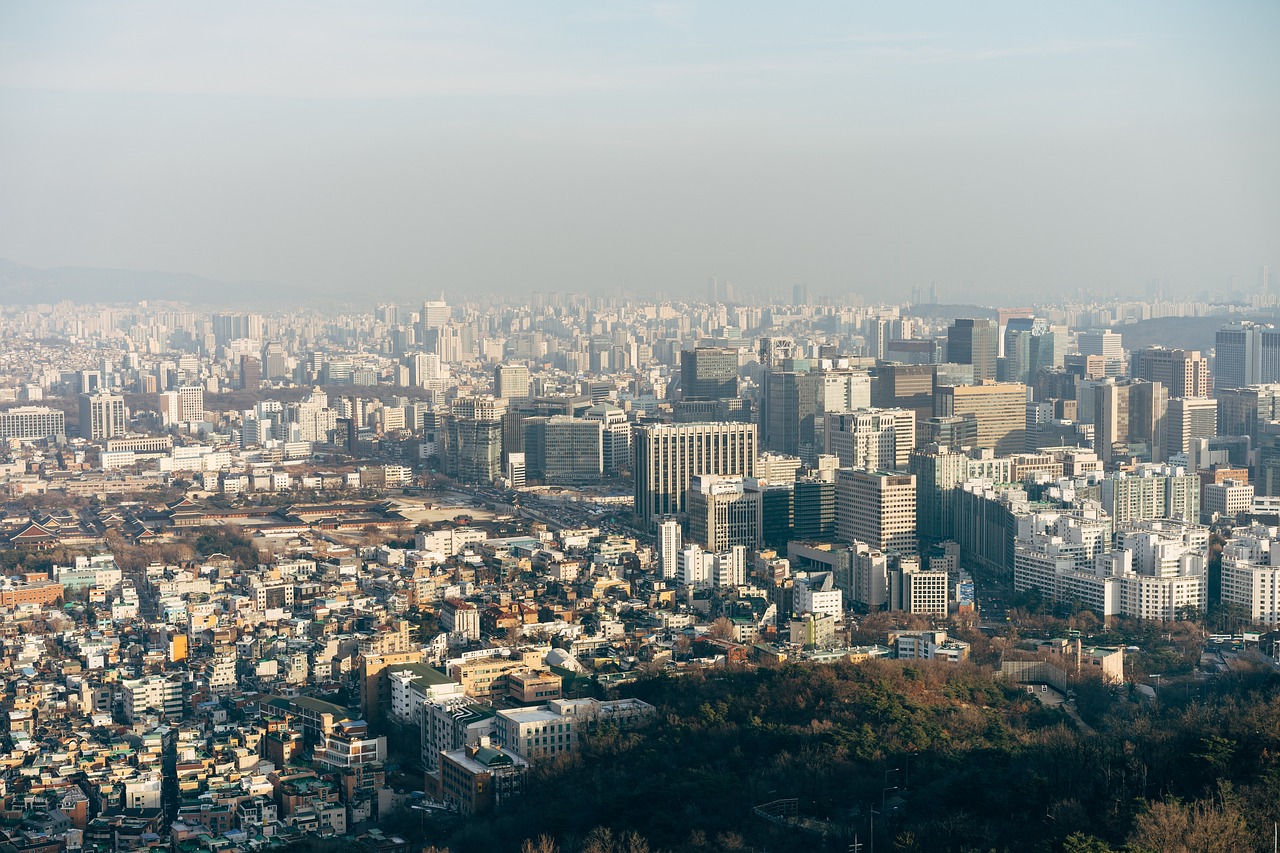
The policy debate comes as apartment prices in Seoul and nearby metropolitan areas have continued to rise, renewing concerns that speculative buying could once again push homeownership further out of reach for younger households and widen wealth inequality.
Senior officials this week signaled that taxation will play a central role in the government’s upcoming housing strategy. The administration is expected to unveil a comprehensive package covering both tax and housing supply measures by the end of July.
Kim Yong-beom, chief policy aide to the president, said at a public forum on Tuesday that taxation is an important tool for maintaining stability in the property market and that the government is studying a range of options to develop what it considers a reasonable reform plan.
South Korean President Lee Jae Myung has repeatedly argued that housing should primarily serve as a place to live rather than an investment vehicle. Lee has also said that while owning multiple homes is not inherently problematic, owners should bear corresponding financial burdens.
Market participants expect the government to focus on increasing holding costs for owners of multiple properties, a move aimed at discouraging speculative demand and encouraging investors to put more homes up for sale.
Among the measures under review are possible increases in property holding taxes, revisions to long-term capital-gains tax deductions and changes to the formula used to calculate South Korea’s comprehensive real-estate holding tax.
Officials are also considering reducing tax benefits that are based solely on the length of ownership while expanding deductions tied to actual residency, a change designed to provide greater protection for owner-occupiers.
Real estate has long been one of South Korea’s most politically sensitive issues. Housing accounts for a substantial portion of household wealth, and rapid price appreciation has frequently become a source of public dissatisfaction and political pressure.
The previous administration of former President Yoon Suk Yeol reduced property-tax burdens after the government of former President Moon Jae-in pursued aggressive tax increases intended to suppress housing speculation. The latest discussions suggest South Korea may once again turn to tax policy as a primary tool to manage the market.
Economists caution, however, that higher taxes could produce unintended consequences. While heavier tax burdens may discourage speculative purchases, they could also prompt homeowners to delay sales, reducing market supply and potentially intensifying upward pressure on prices.
To build public support for any changes, the government plans to hold a nationwide housing forum next month involving policymakers, experts, industry participants and citizens before finalizing the reforms.