
South Korea’s construction contracts rose sharply in the first quarter as investment in semiconductor plants and data centers gave builders a boost beyond the country’s sluggish property market.
Construction contracts totaled $48 billion in the January-to-March period, up 23.4% from a year earlier, South Korea’s Ministry of Land, Infrastructure and Transport said Thursday.
The rebound was driven mainly by private-sector projects. Private construction contracts climbed 35.6% to $32 billion, supported by investment in chip production facilities and data centers. Public-sector contracts rose 5.0% to $16 billion, helped by projects including the Pocheon power plant and Busan Port.
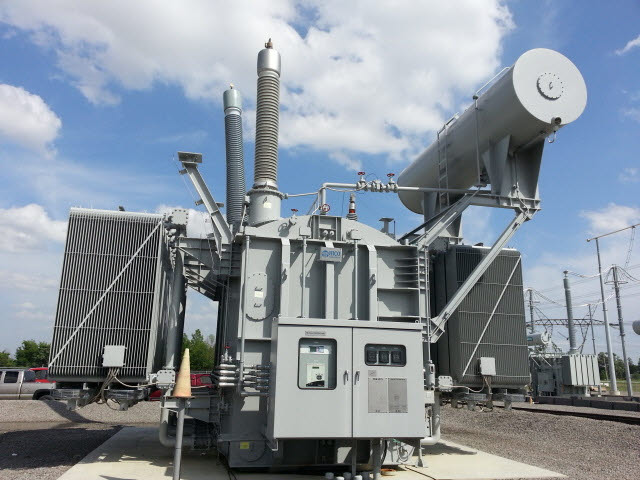
The data points to a shift in South Korea’s construction demand. Instead of being led only by apartments and commercial real estate, growth is increasingly tied to industrial infrastructure needed for artificial intelligence, cloud computing and advanced manufacturing.
South Korea is home to Samsung Electronics, a global memory-chip giant, and SK Hynix, a major supplier of high-bandwidth memory used in AI servers. Investment linked to those industries is feeding into construction orders for factories, industrial facilities and related infrastructure.
Civil-engineering contracts, including industrial facilities and landscaping, rose 35.8% to $19 billion. Industrial-facility contracts surged 159.0% to $7 billion, showing how much of the increase came from large-scale corporate investment rather than ordinary property development.
Building contracts also rose 16.6%, supported by private factory expansions and housing projects, according to the ministry.
Large builders benefited most from the upturn. Contracts won by South Korea’s top 50 construction companies rose 40.2% to 37.7 trillion won. Companies ranked 101st to 300th posted a 6.8% increase, while those ranked 301st to 1,000th recorded a 24.9% gain.
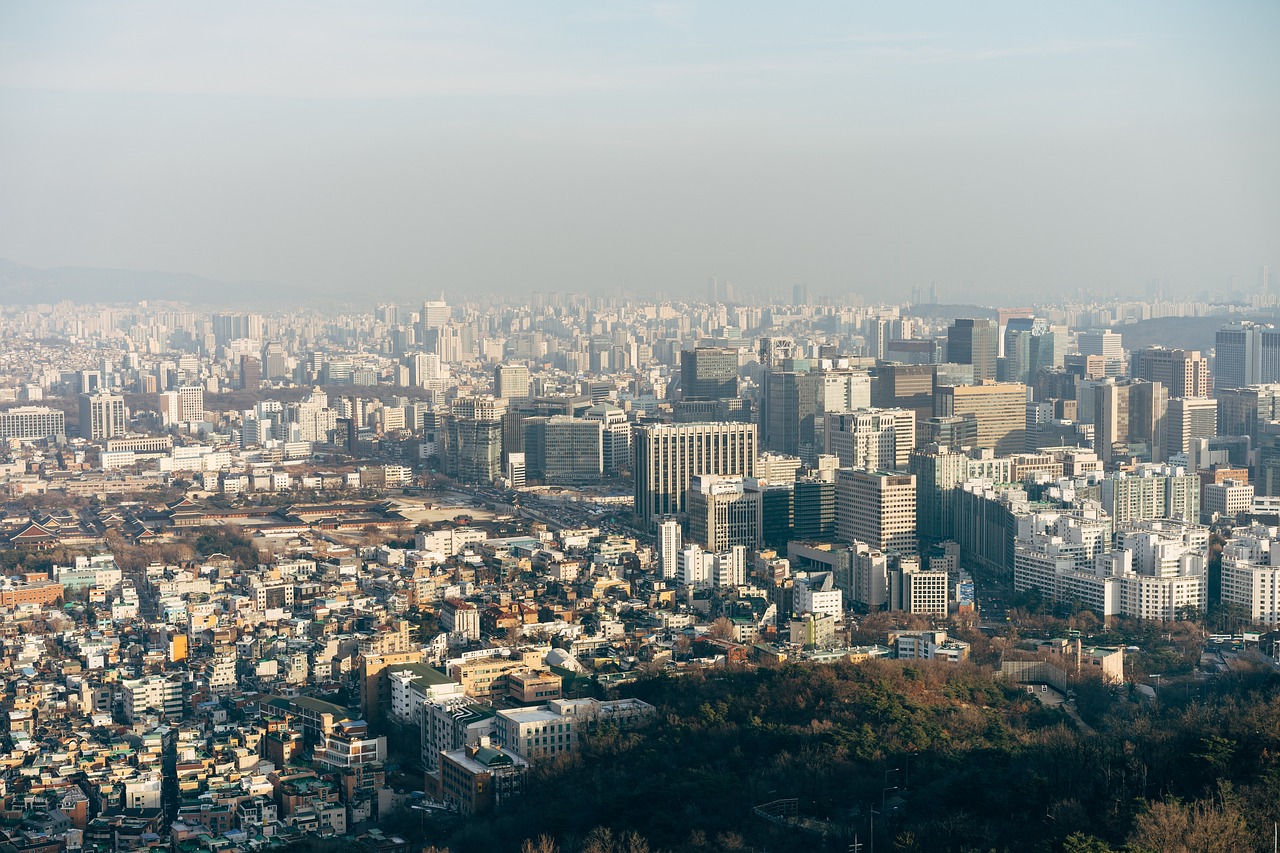
The recovery was uneven by region. Contracts for projects in the Seoul metropolitan area rose 41.8% to $25 billion, while those outside the capital region increased 7.8% to $22 billion. By company headquarters, capital-region builders saw contracts rise 48.2% to $30 billion, while firms based outside the region recorded a 5.4% decline to $17 billion.
That divide shows how South Korea’s AI and semiconductor investment boom is reinforcing the country’s long-running concentration of capital, corporate headquarters and high-value industries around Seoul.
South Korea’s construction contracts peaked at $53 billion in the second quarter of 2022 before falling to $30 billion in the third quarter of 2023. The first-quarter figure recovered to 89.6% of that peak, suggesting the sector is rebounding, but with growth increasingly tied to the infrastructure demands of the AI economy.