South Korea’s expanding hydrogen-vehicle market is creating a growing opportunity for global energy, mobility and infrastructure companies, while also raising questions about the resilience of the country’s fuel supply chain. For U.S. automakers, energy companies and investors tracking the hydrogen economy, the government’s latest assessment suggests near-term fuel shortages are unlikely despite geopolitical disruptions and changes in the petrochemical industry.
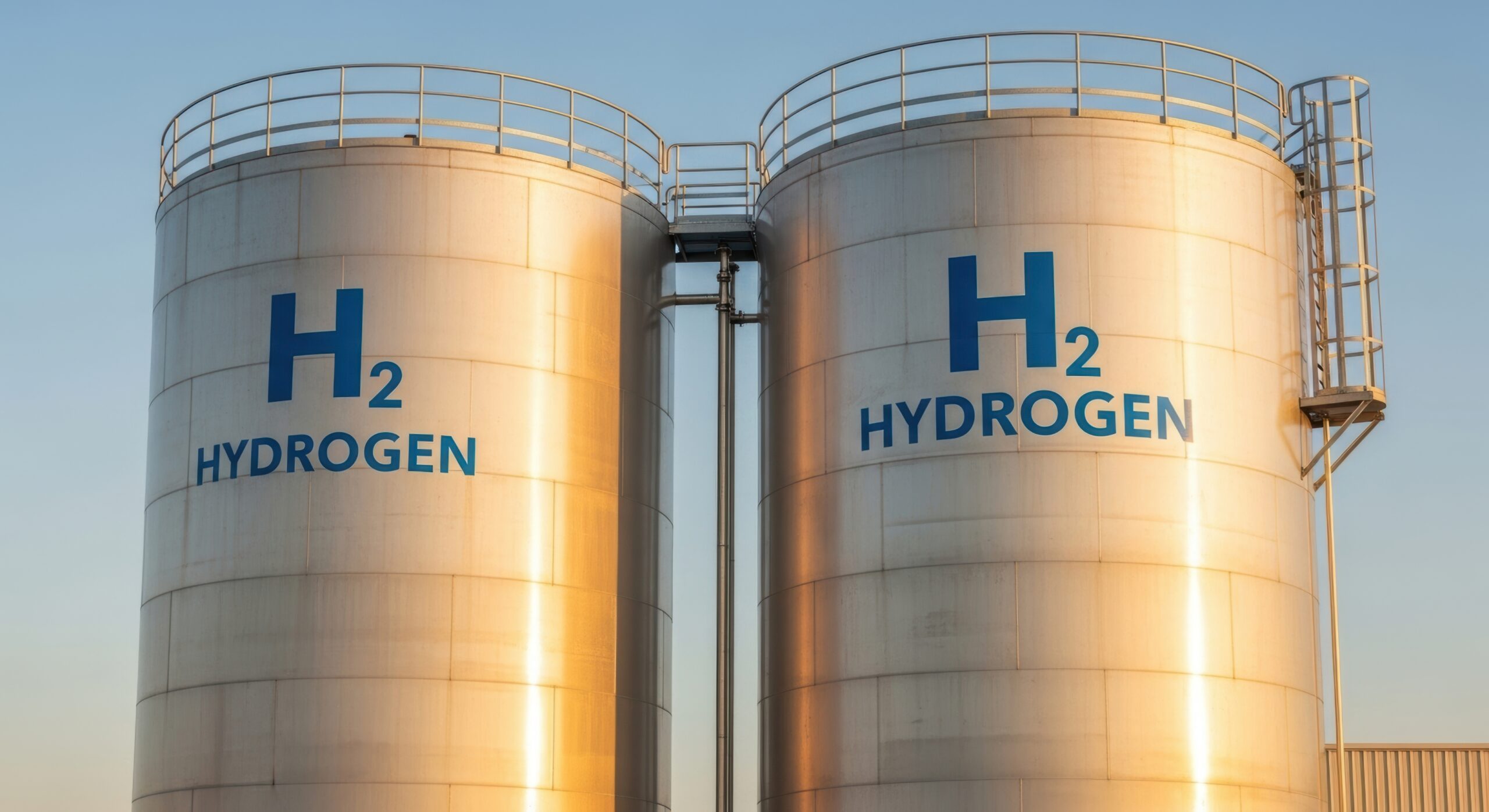
The Ministry of Climate, Energy and Environment said September 22 that South Korea should have enough hydrogen to meet transportation demand through the end of 2026. The announcement comes as hydrogen consumption for vehicles continues to climb and the country looks to diversify supplies beyond hydrogen produced as a byproduct of petrochemical operations.
Transportation hydrogen consumption reached 30.2 million pounds during the first eight months of the year, up 47% from the same period in 2025. The increase was driven in part by the addition of more than 5,000 hydrogen vehicles.
South Korea had 49,722 hydrogen vehicles in operation as of August, compared with 44,655 at the end of last year.
The government expects transportation demand to rise by another 24.5 million pounds through the end of the year based on its hydrogen-vehicle deployment plans. Available supply is estimated at about 32 million pounds, providing a projected cushion against additional demand.
The supply outlook is significant for companies involved in hydrogen production, distribution and fueling infrastructure. Some supplies of byproduct hydrogen made from naphtha have declined because of the conflict in the Middle East and restructuring in South Korea’s petrochemical industry.
Other sources, including byproduct hydrogen from alternative feedstocks and hydrogen produced through natural-gas reforming, are making up the difference. The Korea Petroleum Quality & Distribution Authority said transportation hydrogen supply is currently averaging about 154,000 pounds a day, roughly in line with normal levels.
Higher hydrogen prices remain a concern for transportation operators, particularly bus companies. To ease the pressure, the government plans to increase its hydrogen-fuel subsidy for buses to $4.15 per kilogram from about $3.46, beginning in October and continuing through December.
For U.S. investors watching South Korea’s hydrogen market, the immediate issue is less about a physical shortage than how the country manages a rapidly growing fuel market while its traditional petrochemical-based supply chain changes. The government’s effort to bring alternative production sources into the market could also accelerate investment in hydrogen production and distribution infrastructure as the vehicle fleet expands.