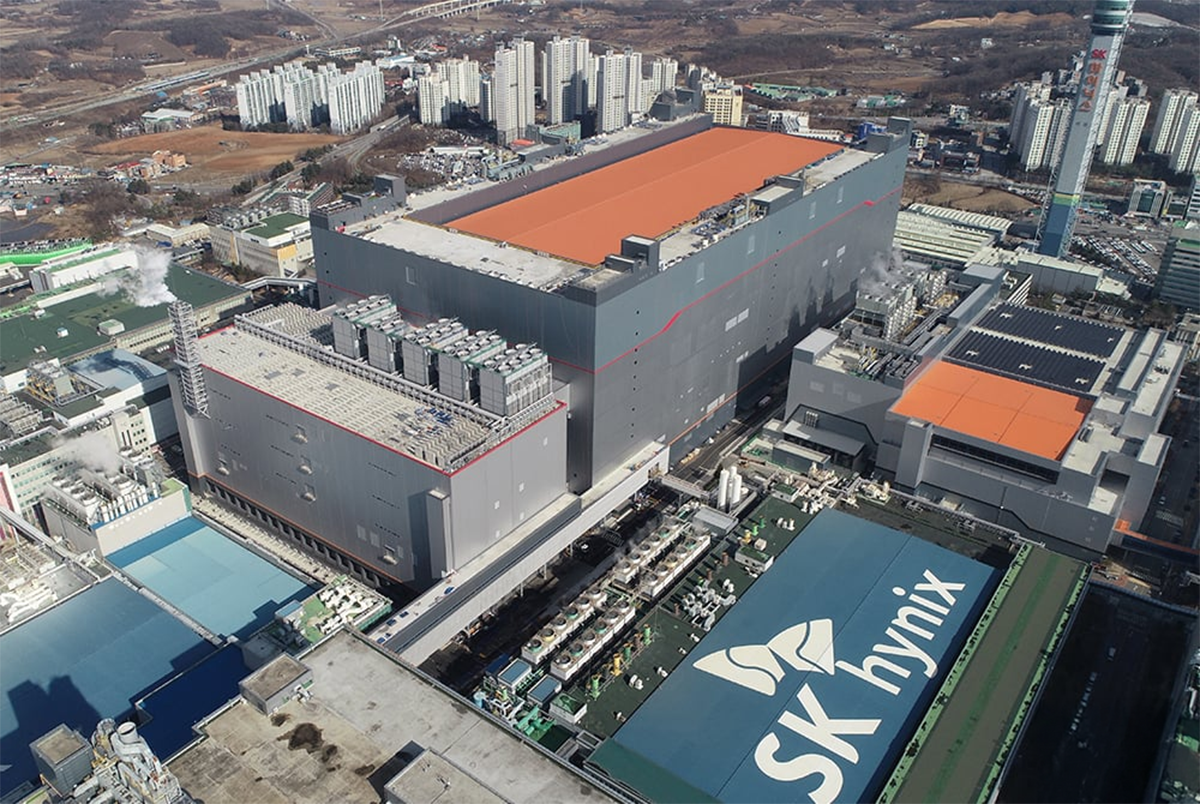
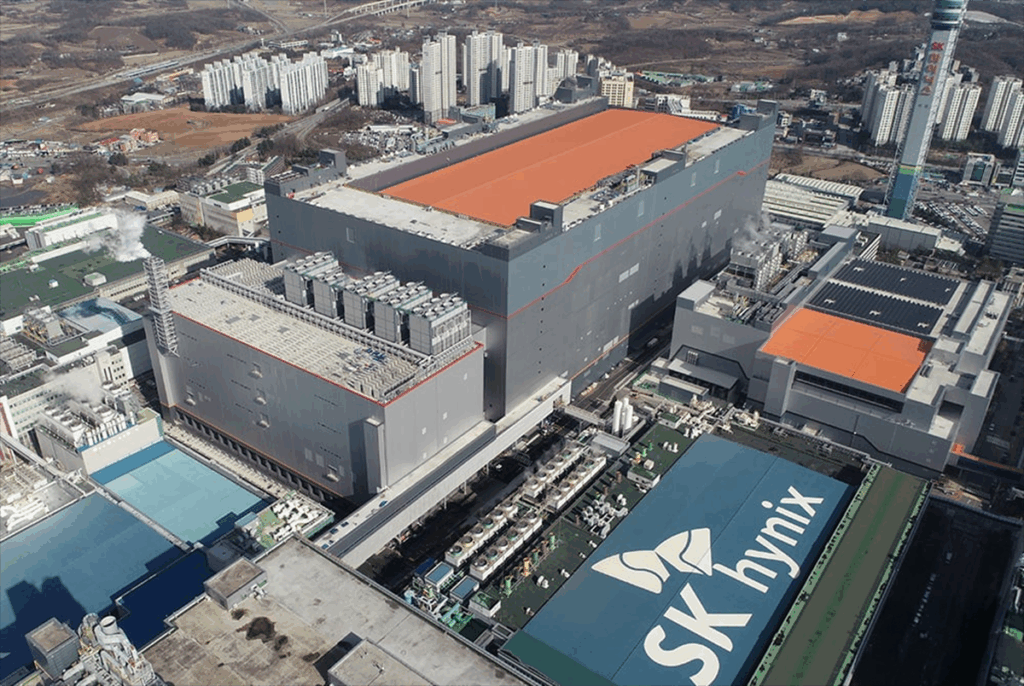
The race to build faster artificial intelligence systems is increasingly becoming a race for memory, and SK hynix, the South Korean chipmaker that has become a leading supplier of high bandwidth memory for AI processors, is preparing for a tougher fight.
Kwak Noh-jung, president and CEO of SK hynix, said the company plans to defend its position by developing next generation memory and expanding its manufacturing and research network in South Korea and the United States.
That matters well beyond South Korea. American companies building AI chips, servers and data centers rely on a small group of suppliers capable of producing the high performance memory needed to keep advanced processors supplied with data. SK hynix is also bringing part of that supply chain closer to U.S. customers through an advanced packaging facility in Indiana and a planned AI research and development center in the United States.
Speaking at the company’s 2026 Global Forum in Santa Clara, California, on Sept. 18, Kwak said SK hynix intends to build on the advantage it established with HBM and use next generation memory technologies to create new opportunities for AI.
The push comes as competition intensifies. Samsung Electronics, South Korea’s largest technology company and another major memory producer, is pushing deeper into advanced HBM, while U.S. chipmaker Micron Technology is expanding its own presence in the market. Chinese memory manufacturers are also narrowing the technology gap in conventional DRAM, adding a longer term competitive threat as Beijing works to build a more self sufficient semiconductor industry.
Against that backdrop, SK hynix’s next generation memory strategy is not simply about capturing more demand from the AI boom. It is also about protecting a technological lead that is becoming harder to defend.
Kwak said continued growth in artificial intelligence should keep demand for AI memory elevated. He pointed to SK hynix’s semiconductor cluster under development in Yongin, South Korea, its advanced packaging operation in Indiana and its planned U.S. AI research center as key parts of that strategy.
The company is also preparing for a broader change in how AI hardware is designed. SK hynix executives said future performance gains will increasingly depend on bringing together chip architecture, manufacturing processes, semiconductor devices, packaging and complete systems rather than improving individual components in isolation.
That shift is particularly important as AI systems demand faster movement of increasingly large amounts of data. More powerful processors alone cannot deliver those gains if memory bandwidth and packaging technology fail to keep pace.
SK hynix is therefore betting that its future advantage will depend on more than simply producing larger volumes of HBM. The company is trying to combine next generation memory, advanced packaging and a broader U.S. research and manufacturing presence as competition from Samsung, Micron and, over the longer term, China grows more intense.
Whether SK hynix can preserve the lead it built during the first phase of the AI boom will depend on how quickly it can turn those investments into the next generation of memory technology.