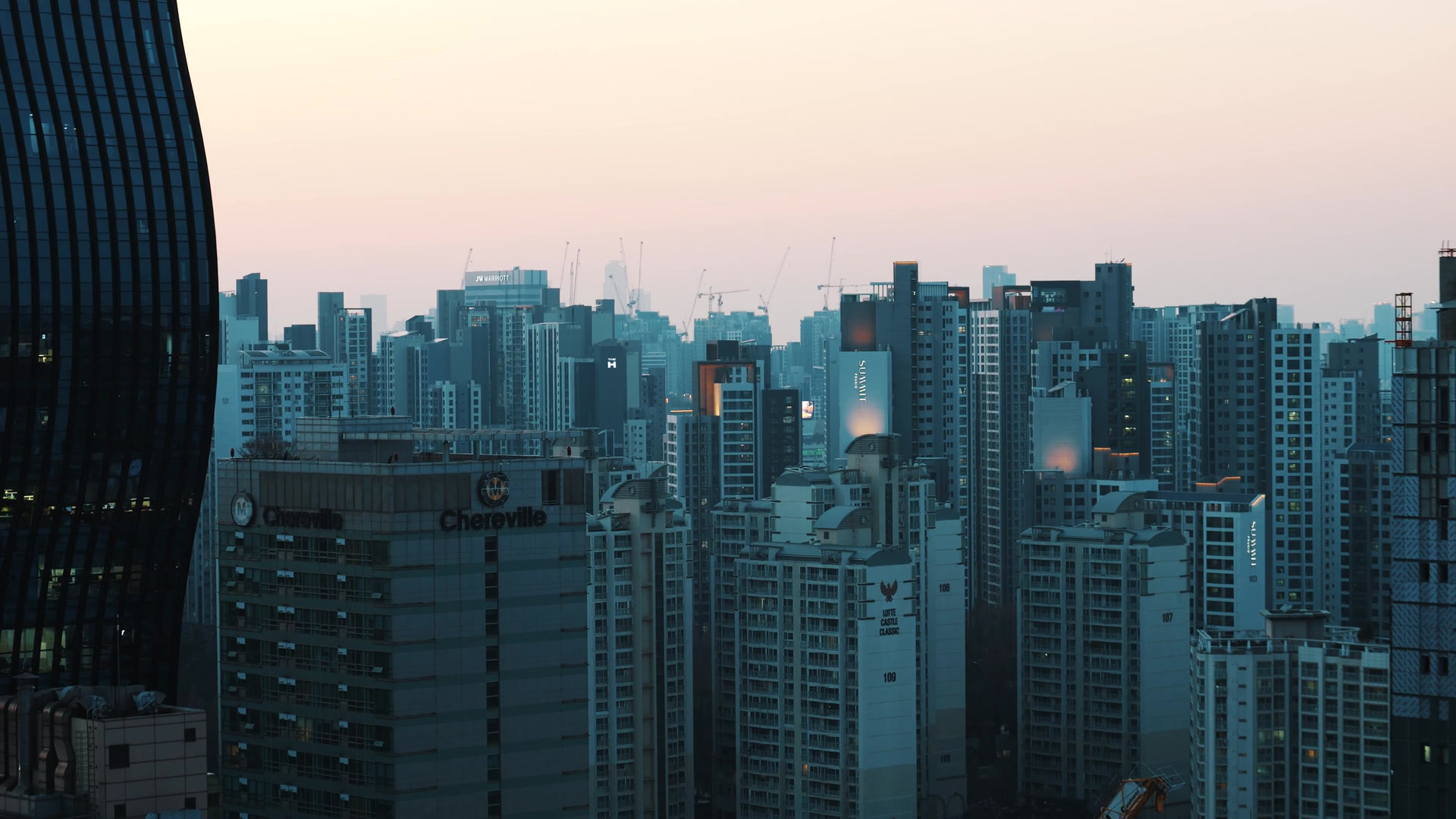
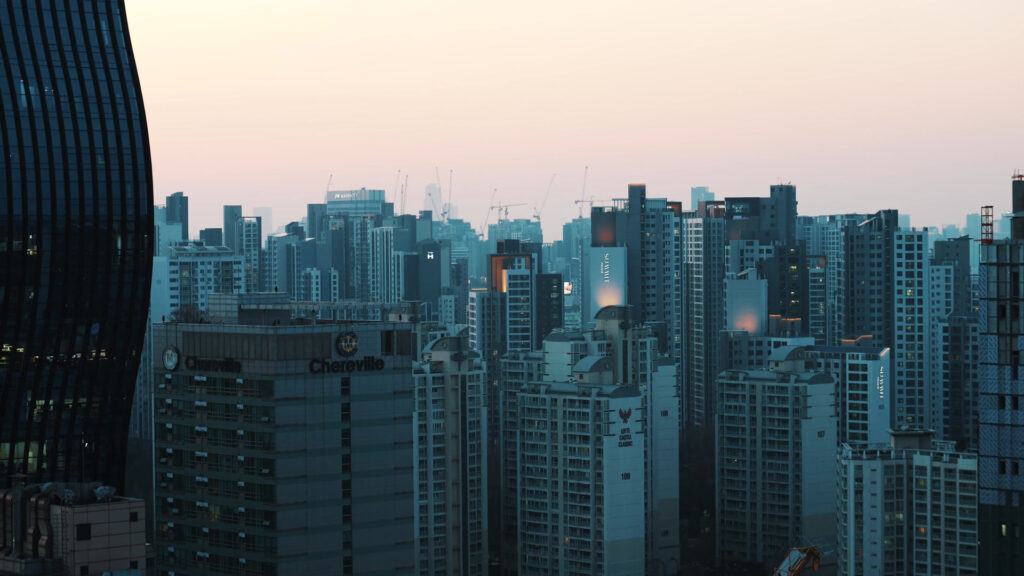
Seoul’s housing market is showing a widening disconnect between rising property values and weakening transaction activity, a trend that could complicate affordability for homebuyers and reshape investment prospects in South Korea’s residential real estate market. Apartment resale prices in the capital rose 15.5% in August from a year earlier, the steepest annual increase since November 2021, according to data released by the Seoul Metropolitan Government on October 22.
The Korea Real Estate Board’s actual transaction price index showed apartment prices in Seoul increased 0.72% from July. The annual gain reached 15.50%, approaching the rapid appreciation seen during the previous housing boom.
Price growth varied considerably across the city. Northeastern Seoul recorded the strongest monthly increase, at 1.54%, followed by the central business district at 1.06% and the northwest at 0.40%. The southwest rose 0.29%, while the southeast, which includes some of the capital’s most expensive residential neighborhoods, declined 0.29%.
Since January, apartment transaction prices across Seoul have climbed 8.3%. Gains were particularly strong in outer districts, with prices rising 11.5% in the northeast and 8.4% in the southwest.
Larger apartments led the monthly advance. Units with floor areas of more than 915 square feet and up to about 1,453 square feet rose 1.32% from July, the biggest increase among the size categories tracked.
Rental prices also continued to climb. Seoul apartment rents under jeonse, a Korean lease system in which tenants provide a large refundable deposit instead of paying conventional monthly rent, increased 0.30% in August, extending the run of monthly gains to 16 months.
The rental trend was uneven across the capital. Jeonse prices rose 1.30% in the southwest and 0.17% in the northwest, but fell 0.35% in central Seoul, 0.10% in the northeast and 0.08% in the southeast.
Despite the price increases, housing transactions weakened further in September. As of October 16, Seoul had recorded 2,923 apartment sales for the month, down 18.3% from 3,578 in August.
Rental activity also declined. Jeonse transactions fell 17.9% from August to 6,454, while monthly rental transactions dropped 6.4% to 7,750. Combined rental transactions totaled 14,204, a 12.0% monthly decrease.
Compared with September a year earlier, jeonse transactions were down 46.9% and monthly rental transactions fell 19.8%, indicating that activity remained subdued even during the autumn moving season.
The Seoul Metropolitan Government said transaction figures would continue to be updated as reporting deadlines approach the end of October, but it expected the year-over-year decline to persist.
For investors and homebuyers, the combination of rising prices and falling transaction volumes points to a market in which strong price momentum has yet to translate into broader trading activity. The coming months will help determine whether Seoul’s housing market can sustain its gains or whether tighter affordability and reduced turnover begin to temper price growth.