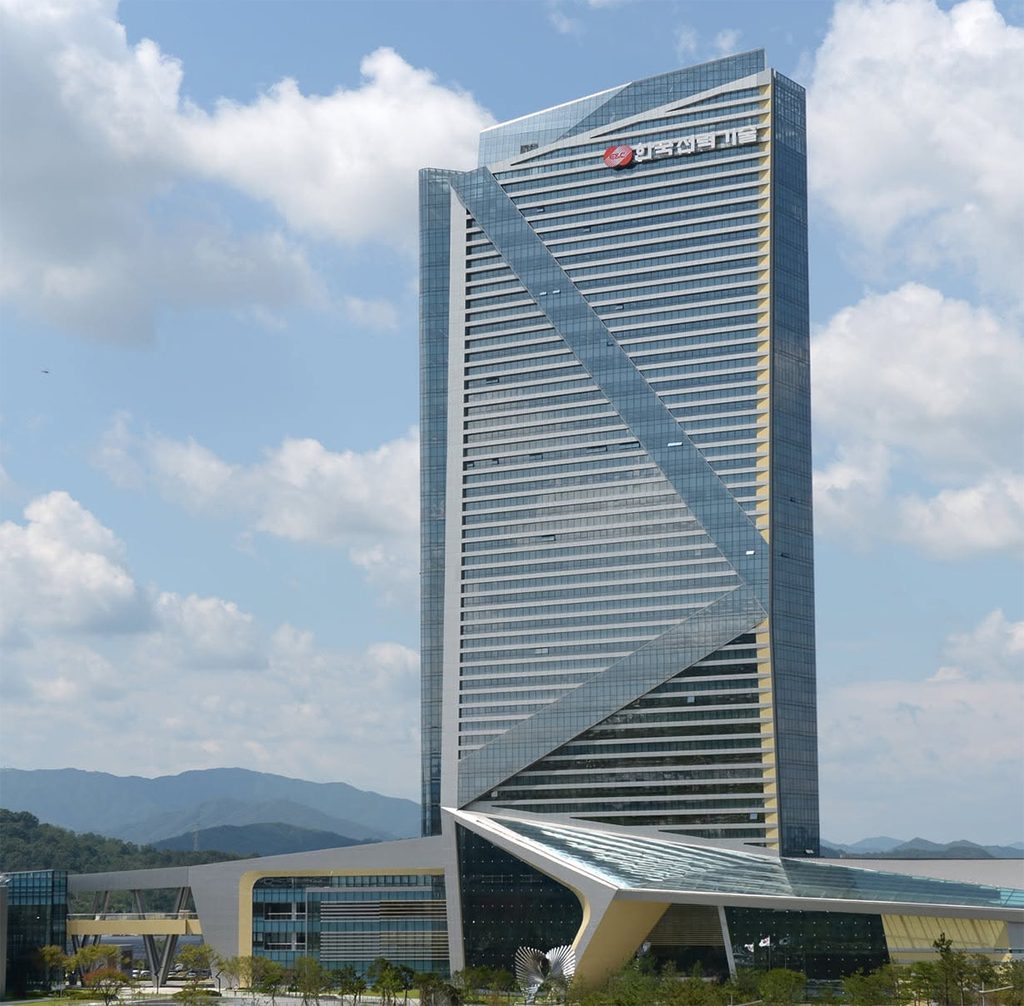
Korea Electric Power Corp. (KEPCO), South Korea’s state controlled electricity utility, has suffered a massive data breach exposing personal information belonging to more than 1.52 million customers, employees and business partners. The incident, disclosed Sunday, adds to a growing series of cybersecurity failures across the country’s financial institutions, businesses and public agencies.
The latest breach raises troubling questions about data security in one of the world’s most technologically advanced economies. South Korea plays a central role in global semiconductor and electronics supply chains, yet its institutions continue to report major personal information leaks. The vulnerability extends well beyond technology companies, exposing risks that also confront American utilities and other businesses that depend on digital systems to manage customer payments, employee records and corporate procurement.
The incident is particularly significant because KEPCO reported another data breach just last month and promised fundamental security reforms. Despite those assurances, the company has now disclosed a much larger exposure involving sensitive financial information and national identification numbers, renewing concerns about its ability to protect customer and corporate data.
KEPCO said attackers were suspected of gaining unauthorized access to two systems, exposing information associated with 650,487 users of its KEPCO ON customer service platform and 869,761 users of its electronic procurement system.
The customer platform breach involved names, national identification numbers, foreign resident registration numbers, telephone numbers, addresses, bank account details, credit card information and electricity billing records.
KEPCO ON serves approximately 9.2 million users, meaning about 7.1% of its customer base was affected.
The company’s electronic procurement system, which manages purchases, construction contracts and service agreements, suffered an even broader exposure.
Information belonging to 426,827 corporate representatives may have been compromised, including names, identification numbers, email addresses and business addresses. Another 442,934 KEPCO employees and corporate personnel may have had their names, organizational affiliations, employee identification numbers and contact information exposed.
KEPCO said it was treating all procurement system users as affected because investigators had not yet determined precisely which individuals had their information stolen.
The utility discovered the breach on November 20 and immediately blocked external IP connections and suspended the affected services. It has since begun notifying customers whose information was compromised, established a dedicated reporting channel and activated an emergency response center.
The company reported the incident to South Korea’s Personal Information Protection Commission. The National Intelligence Service, the Ministry of Climate, Energy and Environment’s cybersecurity center and outside security specialists are investigating how attackers gained access. KEPCO also plans to request a police investigation.
The utility suspects that external attackers illegally entered the systems and extracted personal information. It cited increasingly sophisticated cyberattack techniques, including the misuse of artificial intelligence, although investigators have not confirmed whether AI played a role in the incident.
KEPCO said it would coordinate with government agencies and financial regulators to strengthen monitoring of suspicious transactions and reduce the risk of financial fraud involving stolen information. The company also pledged to provide remedies under applicable laws if customers suffer damages.
The latest disclosure follows an October incident in which personal information belonging to 35,528 current employees, retirees and contractor personnel was exposed. That breach involved names and telephone numbers.
During a parliamentary audit last month, KEPCO President Kim Dong-cheol apologized and pledged fundamental changes to the company’s information security operations to prevent further incidents.
Just weeks later, the utility disclosed a breach affecting more than 40 times as many people.
Kim issued another public apology Sunday, promising a thorough investigation into the latest incident and an overhaul of the company’s cybersecurity safeguards.
KEPCO’s repeated breaches come amid a wider series of personal information leaks across South Korea.
On November 18, the Korea Federation of SMEs, an organization representing small and medium sized businesses, disclosed that approximately 360,000 customer records associated with its Yellow Umbrella mutual aid program had been compromised.
South Korea’s financial sector has also experienced extensive data exposure. Between September 30 and November 3, approximately 473,000 records were reported compromised across 37 financial companies.
Universities and other public institutions have faced similar incidents, adding to concerns about the security of sensitive information held by organizations across the country.
The succession of breaches exposes a growing challenge as businesses and public institutions collect increasing amounts of personal and financial information through interconnected digital systems. A single intrusion can potentially expose not only customers but also employees, suppliers and corporate representatives.
Such incidents can carry consequences beyond the immediate loss of information. Companies may face regulatory scrutiny, higher cybersecurity expenses and potential legal liabilities, while affected individuals confront the risk of identity theft and financial fraud.
The implications are especially important in industries responsible for essential services. Electricity providers manage vast customer databases and maintain extensive commercial relationships, making the security of their administrative systems an important part of their broader risk management.
KEPCO’s latest incident involves customer and procurement information systems, with no reported evidence in the original disclosure that electricity generation or distribution networks were compromised. Nevertheless, the breach illustrates how a utility can face serious cybersecurity problems even when its core electricity operations are not reported to be affected.
The growing number of incidents has placed renewed attention on whether South Korean institutions can adequately protect the sensitive information entrusted to them.
KEPCO now faces the challenge of identifying how attackers breached its systems, preventing additional harm to affected users and demonstrating that its promised security reforms can deliver lasting improvements.
After repeated breaches across financial institutions, public agencies and major businesses, the latest incident at South Korea’s largest electricity utility has added urgency to questions about the country’s ability to secure the digital infrastructure supporting its economy.